exoticsgroup.com
Wrapped, Not Stirred: The Science of Vinyl Wraps, PPF and Ceramic Coatings on Supercars

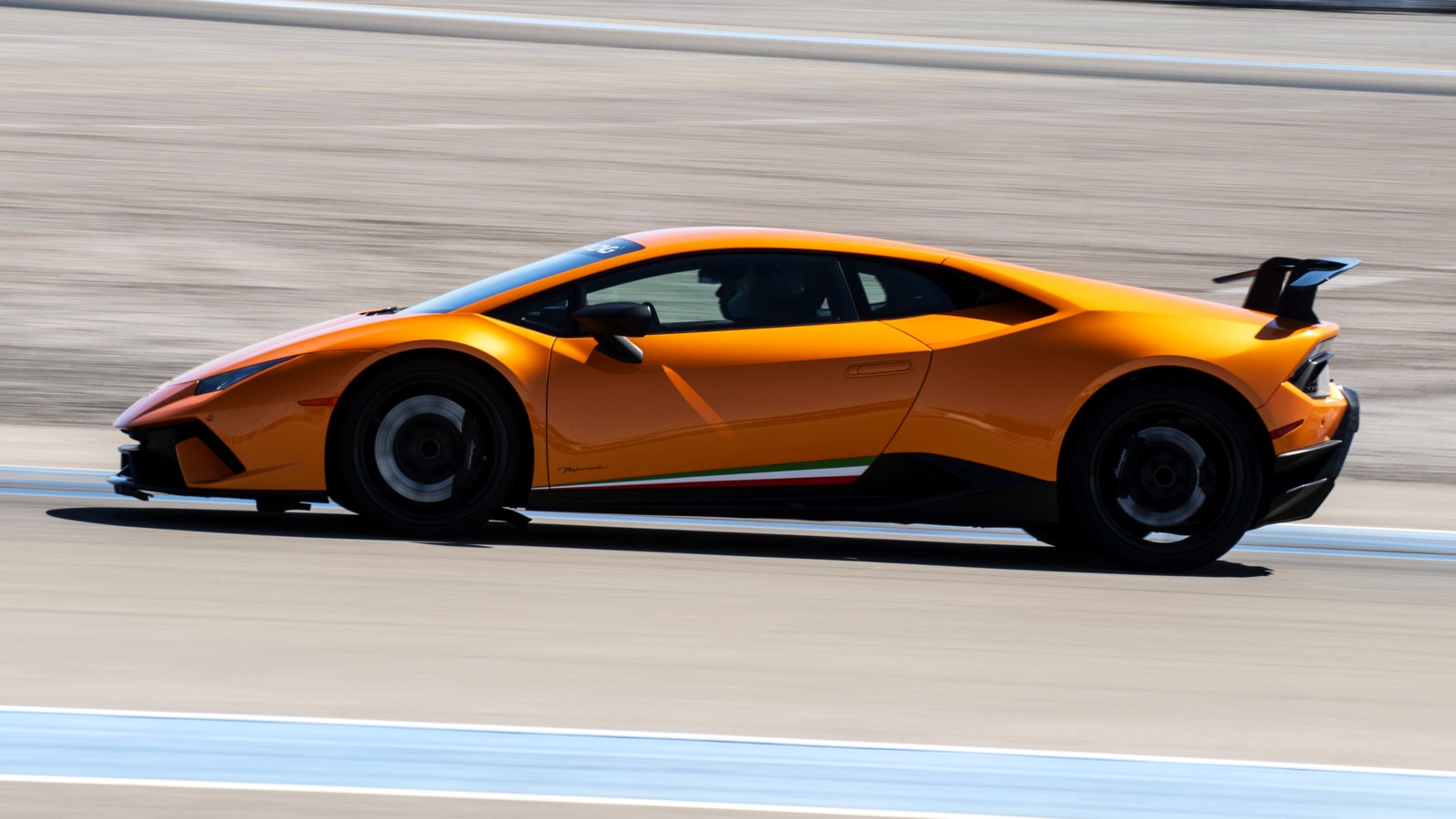
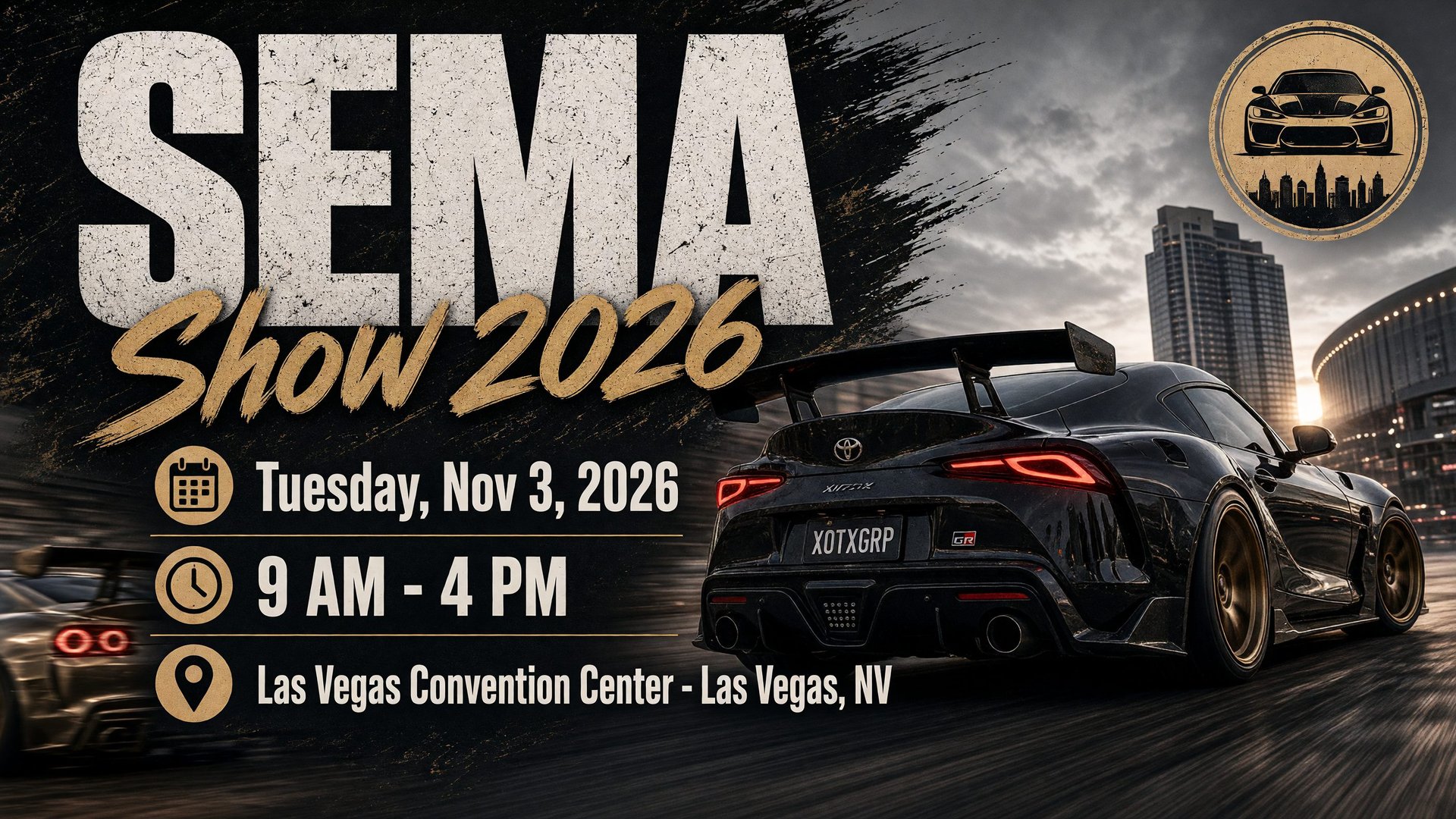
Walk the halls of the Las Vegas Convention Center this week and you will see more satin, matte, chrome and color-shift finishes than any factory paint shop has ever offered. The SEMA Show runs November 3 through 6, 2026, and it is trade-only until Friday, November 6, when the doors open to the public (hours are 9 a.m. to 5 p.m. Tuesday through Thursday, and 9 a.m. to 4 p.m. on Friday). A good share of the cars that stop people in the aisles are not painted the color you think. They are wrapped, filmed, coated, or all three.
So what is actually stuck, stretched and sprayed onto a modern supercar, and why is the Las Vegas sun outside those halls such a tough test?
The 30-second version
Think of your car's paint as your phone screen. A vinyl wrap is a phone case: it changes the look completely and comes off when you get bored. Paint protection film (PPF) is a screen protector: clear, thick, tough, and there to take the hit so the glass underneath doesn't. A ceramic coating is the oleophobic coating on the screen itself: microscopically thin, slick, easy to clean, and absolutely no help when you drop the phone on concrete.
Edmunds uses the same screen-protector comparison for PPF, and it holds up well. Most disappointed owners expected one of these products to do another one's job.
Vinyl wraps: a giant, very well-behaved sticker
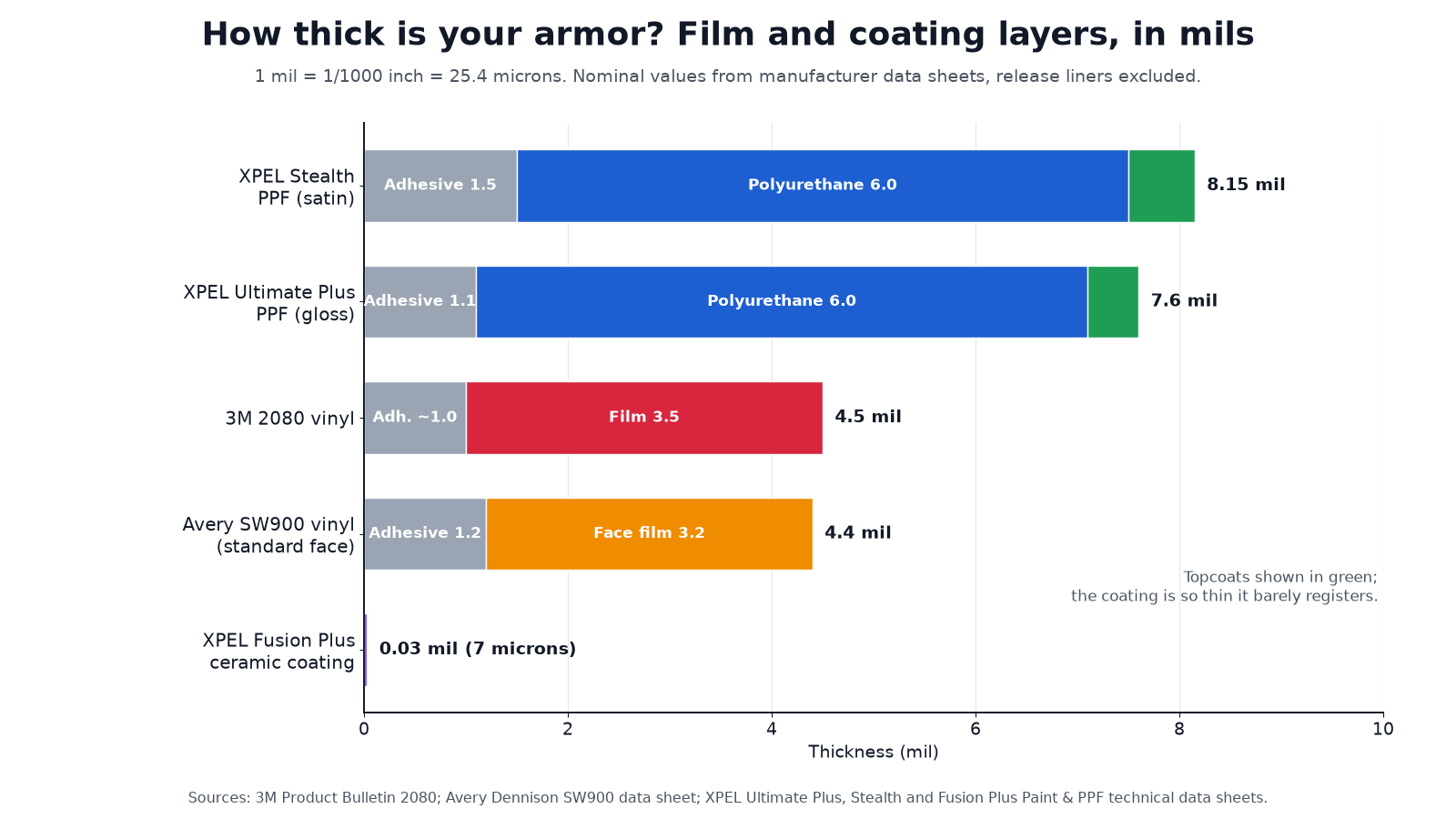
A wrap film is a thin, colored PVC film with a pressure-sensitive adhesive on the back and a paper liner protecting that adhesive until install day. Look at the numbers and "thin" is the right word. 3M's 2080 Series wrap film is listed at 3.5 mil without adhesive and 4.5 mil with it, and Avery Dennison's Supreme Wrapping Film (SW900) has a face film of 3.2 to 4.7 mil plus a 1.2 mil adhesive. A mil is a thousandth of an inch, so the whole sandwich is about as thick as a sheet or two of copy paper. Edmunds puts typical wrap vinyl at between 2 and 4.5 mils.
Cast vs calendered: cake vs dough
Not all vinyl is made the same way, and the difference matters a lot on a car with as many curves as a supercar.
- Cast vinyl is made by pouring a liquid formulation onto a casting sheet and baking it. Avery Dennison's Molly Waters compares it to baking a cake: the film forms in a relaxed state, so it has very little built-in stress and low shrinkage. Wrap films such as 3M 2080 and Avery SW900 are cast films.
- Calendered vinyl is made by pushing a thicker mass through heated rollers, more like rolling out dough. It works, it is cheaper, but the film "remembers" being stretched and wants to shrink back over time.
That memory is the enemy on compound curves. Stretch a calendered film into a deep bumper recess and it will spend the next few hot summers trying to pull back out of it. Arlon's guidance pegs calendered films at roughly 1 to 4 years of outdoor life and cast films at 7 to 10, and Avery's own instructional bulletins recommend cast film for vehicle wraps.
Wrap films also have to stretch, and the data sheets tell you how much. Avery lists SW900 elongation at 150% at break (120% for metallics), and recommends a minimum application temperature of 50 degrees F on flat areas and 60 degrees F on curves. The other clever bit is the adhesive. Modern wrap films use air-release adhesives (3M calls its versions Controltac and Comply), with tiny channels that let trapped air escape and let the installer lift and reposition a panel before pressing it down for good.
Finish is measured, not guessed
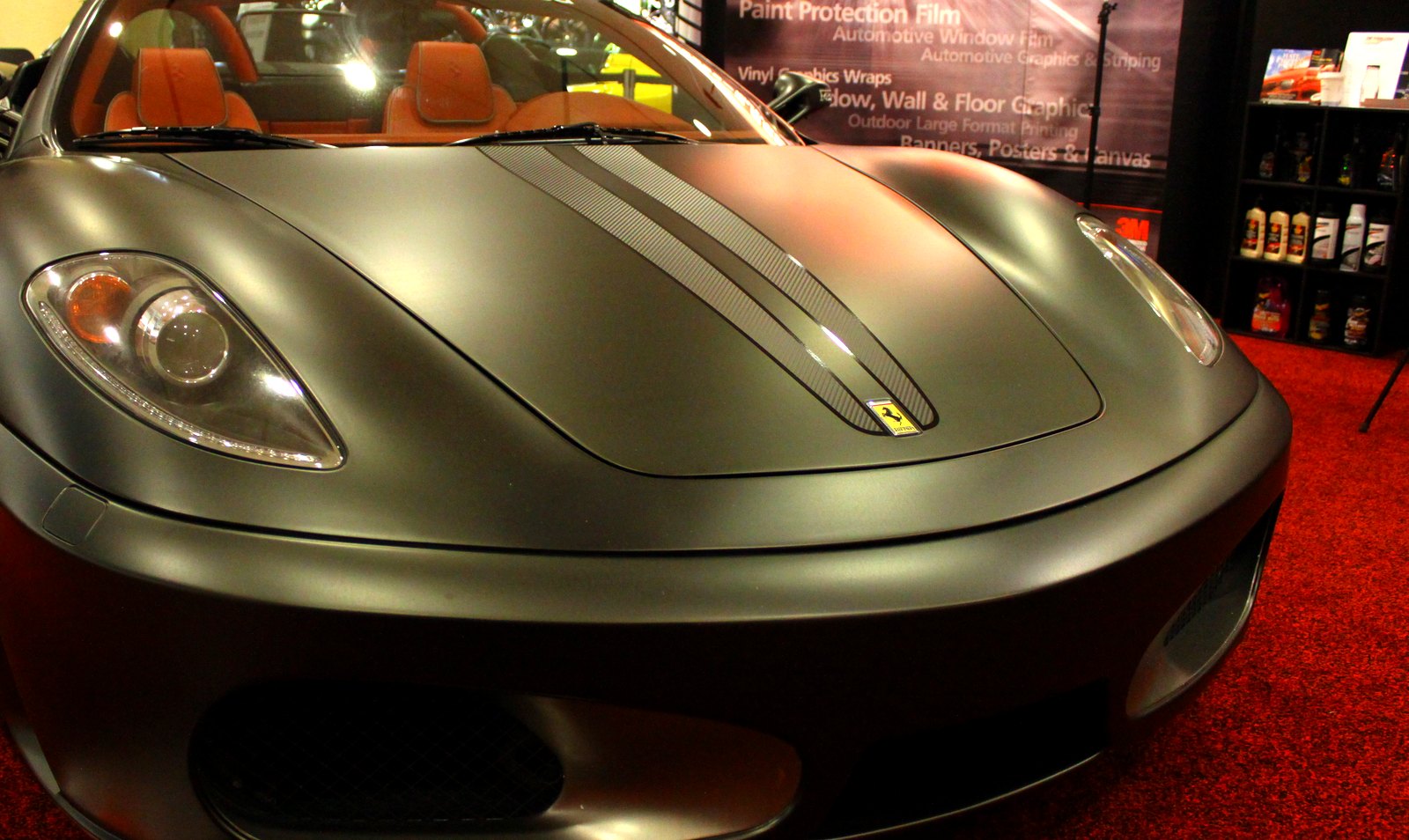
"Gloss," "satin" and "matte" sound subjective, but the industry measures them in gloss units (GU) with a light meter. Avery's data sheet specifies gloss films above 85 GU, satin from 20 to 30 GU, and matte below 15 GU. That matte black Ferrari F430 Spider above is a real vinyl wrap (the photographer's own description says so), which is a lot cheaper to undo than matte paint.
Coming off: the part nobody films for Instagram
Removal is where wraps earn or lose their reputation. Arlon's removal guide says to warm the film to around 125 degrees F (50 C), because hotter than that and the vinyl may delaminate and leave adhesive behind, and then peel it slowly at a low, roughly 15-degree angle. The same guide carries a warning every owner of a resprayed car should read twice: "If areas of a vehicle have been repainted... it is likely that these areas will be damaged upon graphic removal."
The manufacturers say the same thing in their own way. 3M's wrap-film warranty card states plainly that "Warranty coverage does not include paint pull during film removal process." In other words, a wrap is reversible on good, factory-cured paint. On a cheap respray, the wrap may take some of the paint with it.
Paint protection film: the screen protector with a helicopter backstory
PPF started life on helicopters. 3M developed polyurethane tape to protect rotor-blade leading edges from sand and debris, including during the Vietnam era, and the company still sells rotor-blade protection tapes for aircraft today. Point that technology at a car's nose and you get paint protection film.
Modern PPF is a thermoplastic polyurethane (TPU) sandwich, and it is roughly twice as thick as wrap vinyl. XPEL's technical data sheet for Ultimate Plus lists the layers as:
- a 0.5 mil clear topcoat,
- a 6.0 mil polyurethane film,
- a 1.1 mil acrylic adhesive,
- and a 3.0 mil release liner that gets peeled off at install.
That works out to 7.6 mil nominal (plus or minus 10%) on the car. XPEL lists elongation above 300%, and for the stone-chip test it fired 4.73 liters of gravel at 70 PSI at the film at -29 C (the ASTM D3170 / SAE J400 gravelometer test), with no detrimental effect. Edmunds notes that thicker films, around 10 mil, are worth considering for harsh use.
"Self-healing" is real, within limits
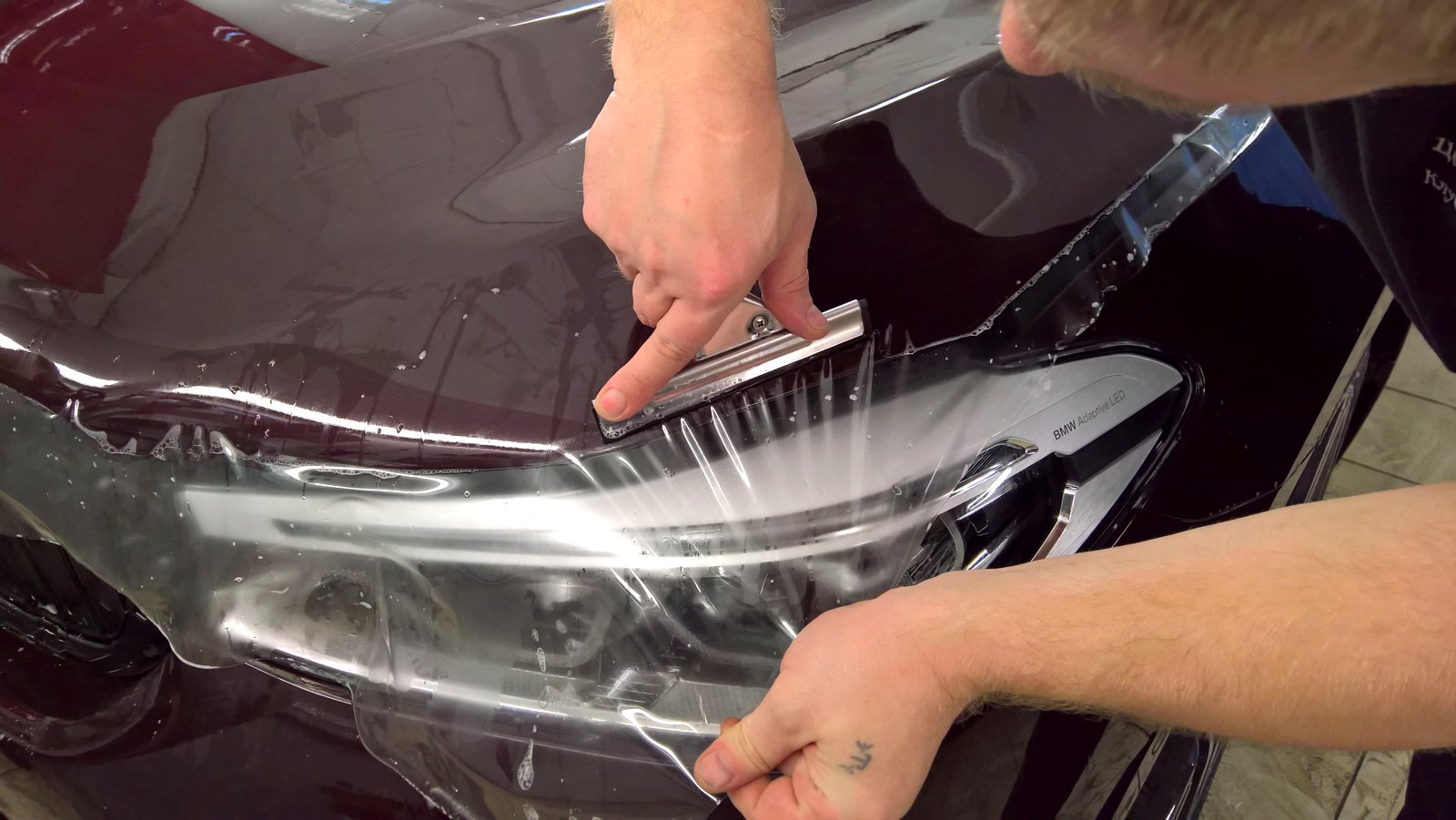
The topcoat does a lot of the work in modern PPF. XPEL describes its Ultimate Plus clear coat as made of "elastomeric polymers" that let light scratches "heal" over time, and Edmunds explains that the effect is triggered by sun or heat. The key word is light. Swirls and fine scuffs in the topcoat can flatten back out. A gouge that cuts through the film is a gouge.
Here, the desert actually helps: the same heat that bakes your car in a Las Vegas parking lot is what the self-healing topcoat needs to do its trick.
Why your old PPF turned yellow
If you remember clear bras from a couple of decades ago, you remember the yellowing. Edmunds says modern film has "come a long way from the days of products that would yellow over time and become nearly impossible to remove." Whatever the chemistry behind the fix, the clearest evidence is in the warranty paperwork: XPEL's 10-year limited warranty on its films specifically covers yellowing, cracking, blistering and delamination, provided the film was professionally installed. XPEL's data sheet also reports accelerated outdoor weathering (ASTM G90, 28,000 MJ/m2 of sunlight, which XPEL equates to about 3.5 years of exposure) with a color shift below 1.5 Delta E and 90% gloss retention.
Wrapped edges, tucked edges and pattern-cut kits
Where the film ends matters as much as what the film is made of. A film that stops a few millimeters short of a panel edge leaves a visible line where dirt can collect. Higher-end installs wrap the film around the edge of the panel, and full-body jobs often remove trim, door handles and taillights so the film can be tucked behind them. Edmunds describes exactly that kind of disassembly.
Then there is the cut itself. Most shops use computer-cut patterns. XPEL's Design Access Program lists nearly 90,000 paint protection kits and says its software "eliminates the need & dangers of hand cutting" on the car, which keeps a knife off your paint. Some installers prefer bulk film, cut by hand or pre-trimmed with extra material for wrapped edges and fewer seams. Either way, ask where the seams will fall. XPEL says its patterns hide them on body lines.
Matte and satin PPF: change the finish, keep the armor
Here is the trick the Vegas show cars love: clear film does not have to be glossy. XPEL's Stealth film is a satin PPF at 8.15 mil nominal, with a 23 GU gloss rating, compared with above 90 GU for its gloss Ultimate Plus. Put satin film over gloss paint and you get a satin car that is also stone-chip protected, and you can peel it off and go back to gloss later. Factory matte and satin paint is notoriously tricky to care for and repair, so satin film over gloss paint is an appealing way to get the look with less worry. You will find these exact setups in our listings. This 2023 Lamborghini Urus Performante at Vegas Auto Gallery and this 2015 Lamborghini Huracan LP 610-4 in Grigio with Stealth PPF both wear satin film, while this 2016 Porsche 911 Carrera S Cabriolet shows the vinyl route with an Avery Satin Dark Basalt wrap.
What PPF costs, from real invoices
Treat these as reference points, not quotes. Edmunds says a full-car install can run as much as $8,000. In a disclosed case study where XPEL supplied the product, Edmunds itemized a full-body Ultimate Plus 10 install on a Subaru BRZ at $8,735, with the full package (including a ceramic coating, wheel and caliper coating, windshield film and tint) totaling $11,660.
Ceramic coatings: a glass-like raincoat, not a suit of armor
A ceramic coating is a liquid that cures into a hard, ultra-thin, glass-like layer on top of the clear coat. Car and Driver describes these coatings as liquid polymers made primarily of silicon dioxide (SiO2), with professional products often more than 80% SiO2. Another chemistry family, polysilazanes, uses a silicon-nitrogen polymer that reacts with moisture in the air and converts into a silica-like silicon-oxygen network. Either way, the end result is a cross-linked, glassy layer bonded to the paint.
How thin? XPEL's Fusion Plus Paint & PPF coating lists a dry thickness of 7 microns, or about 0.03 mil. That is around 1/250th of the thickness of the PPF it is often applied over, which is why it barely shows up as a sliver on our chart.
Contact angle: the science of water beading
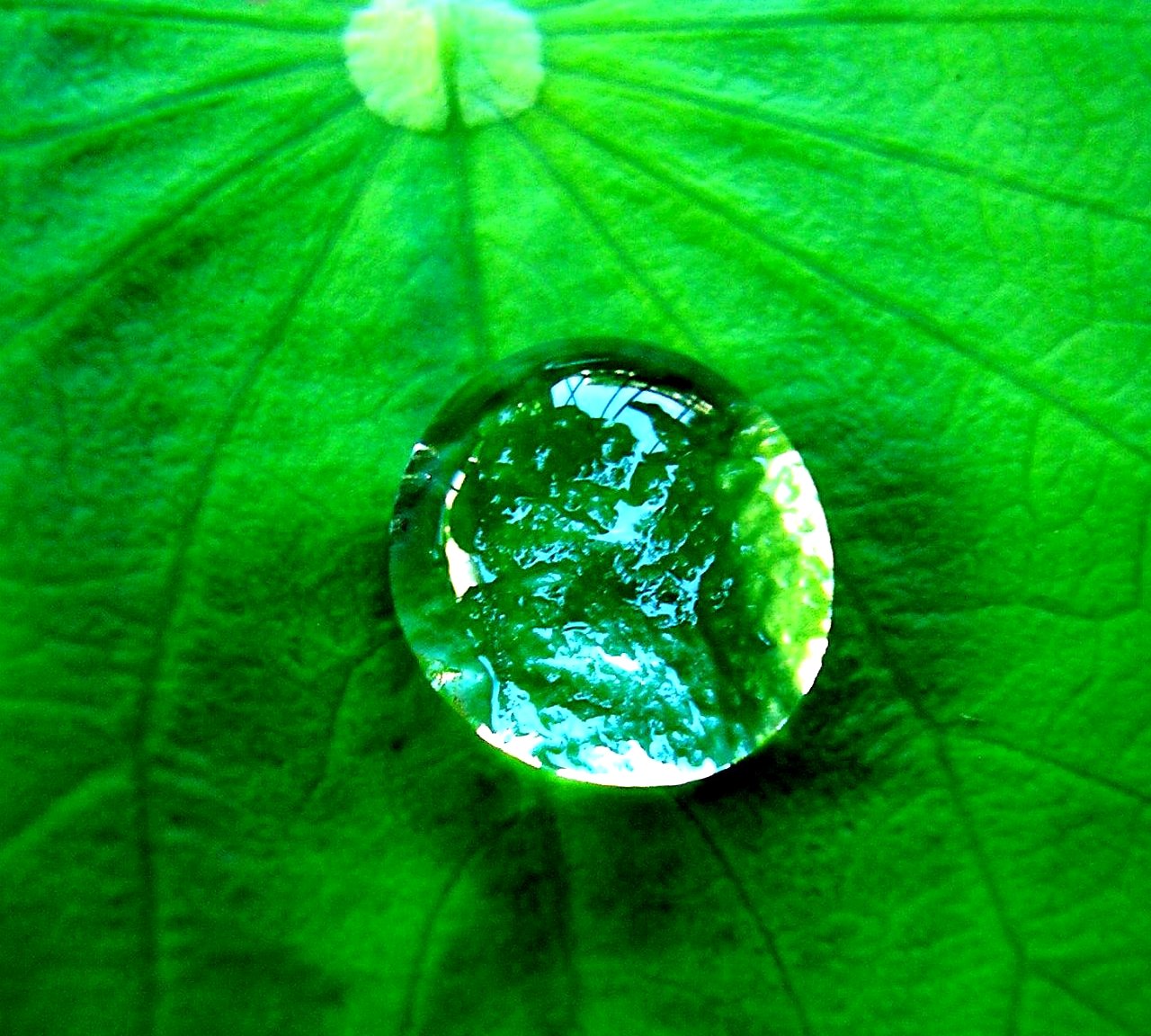
The party trick of a coated car is water beading into tight little balls and sliding off. Scientists measure this with the contact angle, which is the angle where the edge of a droplet meets the surface. Below 90 degrees, water spreads out and the surface is called hydrophilic. Above 90 degrees, it beads and the surface is hydrophobic. Above 150 degrees, the drop is nearly spherical and the surface earns the label superhydrophobic, which is the lotus-leaf effect in the photo above.
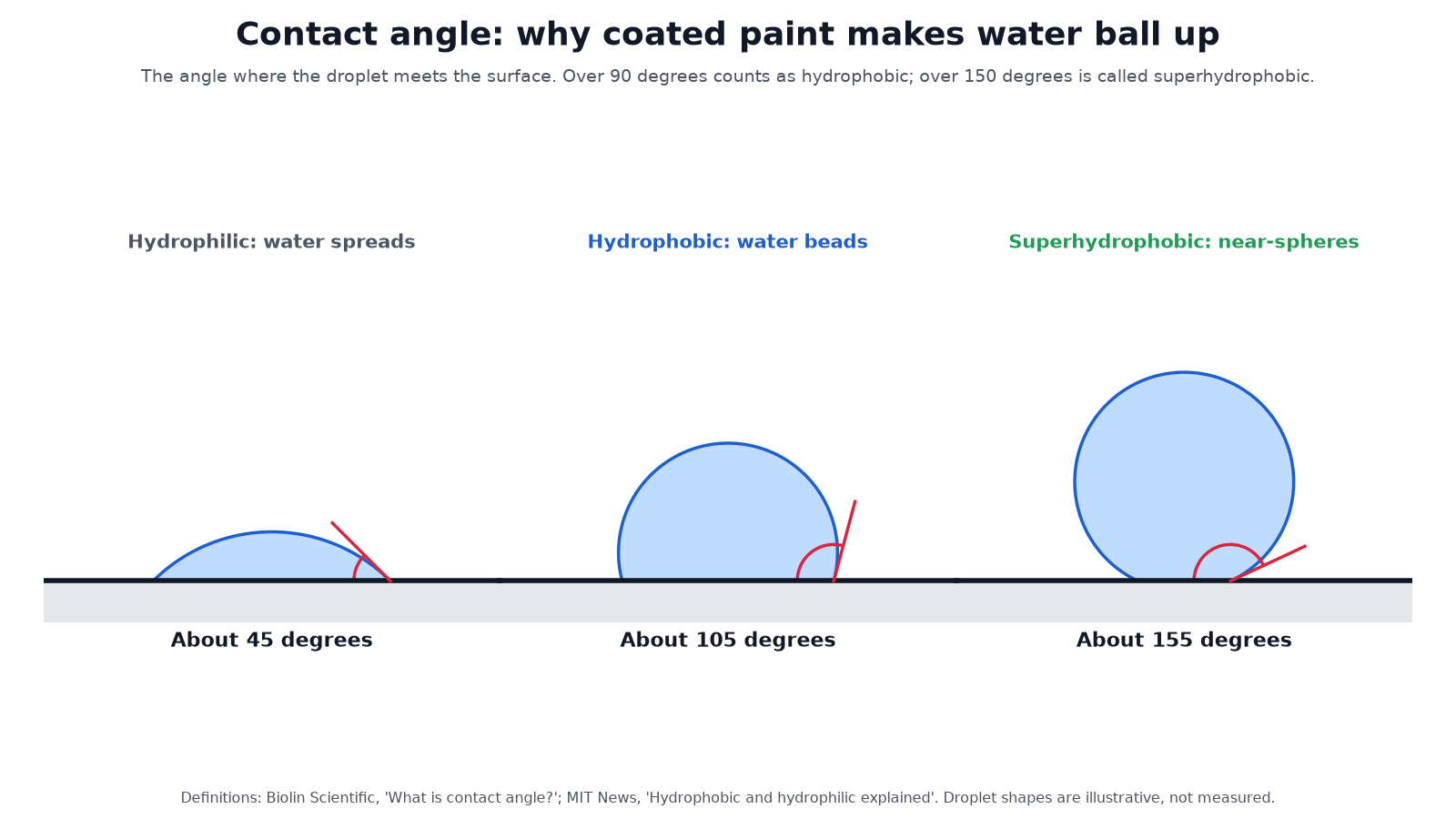
High contact angle isn't the whole story, though. What owners really feel is how easily water and dirt slide away (researchers call this the sliding or roll-off angle). A slick, low-energy surface sheds water and grime faster, which is why a coated car is easier to wash and stays clean a little longer. XPEL calls Fusion Plus "super hydrophobic."
What "9H" really means
You will see "9H" on almost every coating bottle. It refers to the pencil hardness test (ASTM D3363), in which pencils of increasing hardness, from soft "B" grades up to the hardest "9H," are pushed across the coating at a fixed angle. A 9H rating means the hardest pencil in the set did not gouge or scratch the film.
It is not the Mohs mineral scale, and it does not mean the coating is as hard as sapphire. Results also depend on the pencils used and on what's underneath. On a coating only a few microns thick, the clear coat below influences the result a lot. 9H is a useful comparison number. It is not a force field.
What ceramic coatings don't do
Car and Driver says it directly: a ceramic coating will not prevent rock chips and is "not a replacement for paint protection film." A 7-micron layer simply cannot absorb the energy of a pebble at highway speed the way 6 mil of urethane can. Coatings also take time to cure. Car and Driver walks through curing in stages, from the first 24 to 48 hours to a full cure at about 7 to 14 days, and XPEL says Fusion Plus should stay dry for 6 hours and fully cures in 3 days. Getting a coating off is no easy job either. It takes machine polishing.
On cost and lifespan, Car and Driver says a professional coating job can cost as much as $2,000 and that professional-grade coatings can last upward of five years. In the Edmunds BRZ case study, the Fusion coating added $1,000.
Coating over film: the stack that actually makes sense
You can put a ceramic coating on top of PPF, and XPEL designs Fusion Plus for exactly that, calling it a "flexible and thin, 9H ceramic coating, purposely developed to perform with PPF." Its data sheet reports a 0% failure in the ASTM D522 mandrel bend test at 180 degrees, meaning the coating flexes with the film instead of cracking. The combo gives you chip protection from the film plus easy cleaning from the coating.
Vinyl wraps are a different story. 3M's 2080 warranty card excludes ceramic coatings from coverage, and Avery Dennison's SW900 data sheet warns that "Products containing petroleum distillates or solvents such as soaps, waxes, or protective coatings, void any warranty." Avery adds that matte films are especially sensitive to cleaners, wax and polish. If you want to coat a wrap, ask the shop which wrap-safe product it uses, and get the warranty consequences in writing.
Quick comparison
| Feature | Vinyl wrap | PPF | Ceramic coating |
|---|---|---|---|
| Main job | Change the look | Absorb chips and scratches | Make paint slick and easy to clean |
| Typical thickness (examples) | 4.4-4.5 mil with adhesive (Avery SW900, 3M 2080) | 7.6-8.15 mil (XPEL Ultimate Plus, Stealth) | About 0.03 mil (XPEL Fusion Plus) |
| Rock-chip protection | Not its job | Yes (gravelometer-tested) | No |
| Self-healing | Not typically | Light scratches, with heat | Not typically |
| Changes color or finish | Yes, almost any | Clear gloss, or satin/matte | No |
| Removal | Heat and slow peel | Heat and slow peel | Machine polishing |
Las Vegas vs your wrap: the desert tax
Now for the part that matters if your car lives within sight of the Strip. Las Vegas hit an all-time record of 120 degrees F at Harry Reid International Airport on July 7, 2024, beating the old record of 117. And a dark car in full sun runs hotter than the air. Researchers at Lawrence Berkeley National Laboratory's Heat Island Group measured a silver car's roof running up to 45 degrees F (25 C) cooler than an identical black one. Choose a black matte wrap in Vegas and you have chosen the hot end of that range.
The manufacturers price that sun into their warranties, and the fine print is eye-opening:
- 3M publishes a "Desert Southwest Region" map that explicitly includes Clark County (Las Vegas), plus four neighboring southern Nevada counties, all of Arizona and New Mexico, and parts of California, Utah and Texas. 3M's climate-zone map shades the desert Southwest as Zone 3, and its wrap-film warranty card cuts 2080's coverage from 8 years vertical and 3 years horizontal in Zone 1 to 6 years vertical and just 1 year horizontal in Zone 3.
- Avery Dennison splits Nevada across its Zone 2 and Zone 3 on its map. In Zone 3, SW900 colored film drops from 10 years vertical to 4.8, and horizontal surfaces from 2 years to just 4 months. Avery's warranty bulletin says Zone 2 cuts warranty length by 20% and Zone 3 by 60%.
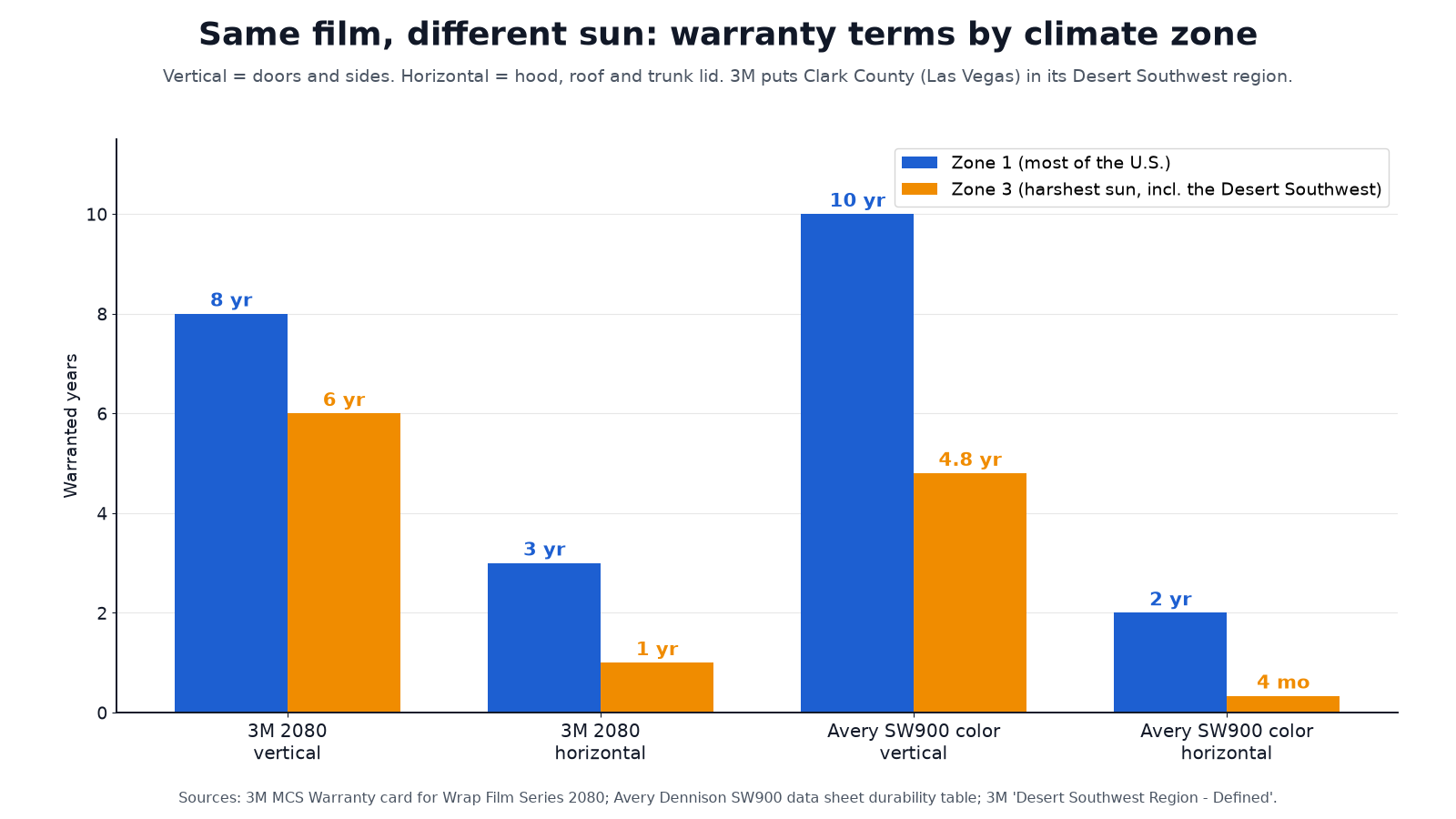
"Horizontal" means the hood, roof and trunk lid, the surfaces that face the noon sun. If you live here, think hard about what goes on the roof and hood. Warranties are not life expectancy, but they show how the film makers expect it to age.
A desert-owner checklist
- Park in the shade or under cover whenever you can. It is the cheapest film and coating protection there is.
- Wash gently, and soon. Bird droppings, bug splatter and hard-water spots bake on fast in desert heat. A coating makes washing easier, but it doesn't make your car self-cleaning.
- Don't let anyone take a heat gun past the guidance during removal. Arlon's 125 degrees F target exists for a reason.
So which one do you need?
- Want a new look and the option to change your mind? Wrap it with a cast film, and protect the horizontal surfaces from the sun.
- Want to keep the factory paint perfect? PPF the high-impact areas (front bumper, hood, fenders, mirrors and rocker panels), or go full body if you track the car or drive a lot of highway miles.
- Want it to stay clean and glossy with less work? Add a ceramic coating, on paint or over the PPF.
Whichever you choose, the installer matters more than the brand. Ask about film type (cast, not calendered, for a wrap), edge strategy, seam placement, whether trim comes off, how they handle removal, and what voids the warranty. Up in the Pacific Northwest? Our partner Signature Auto Detail in Renton, Washington, handles exotics and offers paint correction, ceramic coatings and PPF.
Want more desert-flavored tech? Read how supercar turbo tunes work, and why some go bang, see what keeps all that power stuck to the road in Getting a Grip: Supercar Tires Explained, or plan your daylight drive out of Las Vegas during SEMA week.
Run a wrap, PPF or detailing shop? Supercar owners are looking for installers they can trust with their paint. Add your business to Exotics Group so they can find you.
#LasVegas
Sources
- SEMA Show 2026 (official site)
- 3M Wrap Film Series 2080 product bulletin
- 3M MCS Warranty card for 3M wrap film
- 3M, Desert Southwest Region - Defined
- Avery Dennison Supreme Wrapping Film (SW900) product data sheet
- Avery Dennison Instructional Bulletin 1.30, warranty and zones
- Avery Dennison (Molly Waters), Cast vs. Calendered Vinyl
- Arlon, Cast or calendered?
- Arlon, Wrap removal
- XPEL Ultimate Plus technical data sheet
- XPEL Stealth technical data sheet
- XPEL Fusion Plus Paint & PPF technical data sheet
- XPEL warranty information
- XPEL Design Access Program
- 3M rotor blade protection
- Wikipedia, Paint protection film
- Edmunds, Paint protection film explained
- Edmunds, Subaru BRZ XPEL paint protection film feature
- Car and Driver, Best ceramic coatings tested
- ASTM D3363, Film hardness by pencil test
- Biolin Scientific, What is contact angle?
- MIT News, Hydrophobic and hydrophilic explained
- DTU (Rene Rasmussen), PhD thesis on polysilazane coatings
- ProVinyl Solutions, How to choose a vehicle wrap shop in Phoenix (3M zone map)
- Las Vegas Review-Journal, Las Vegas hits all-time record high of 120 degrees
- Lawrence Berkeley National Laboratory Heat Island Group, Cool colors for cars