 exoticsgroup.com
Radio Silence Not Included: How SignalTrace Listens to the Signals Your Car and Phone Give Off

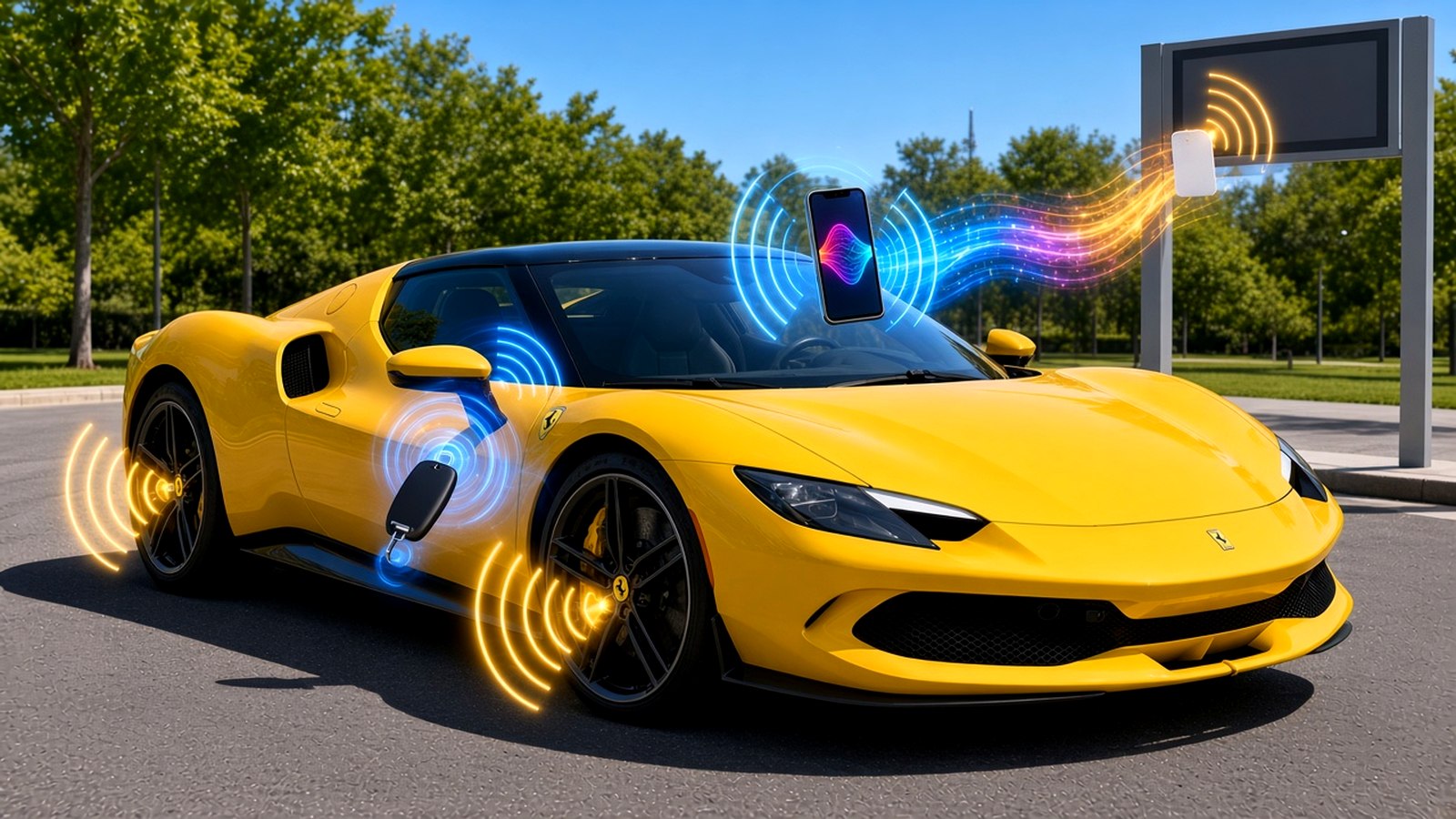
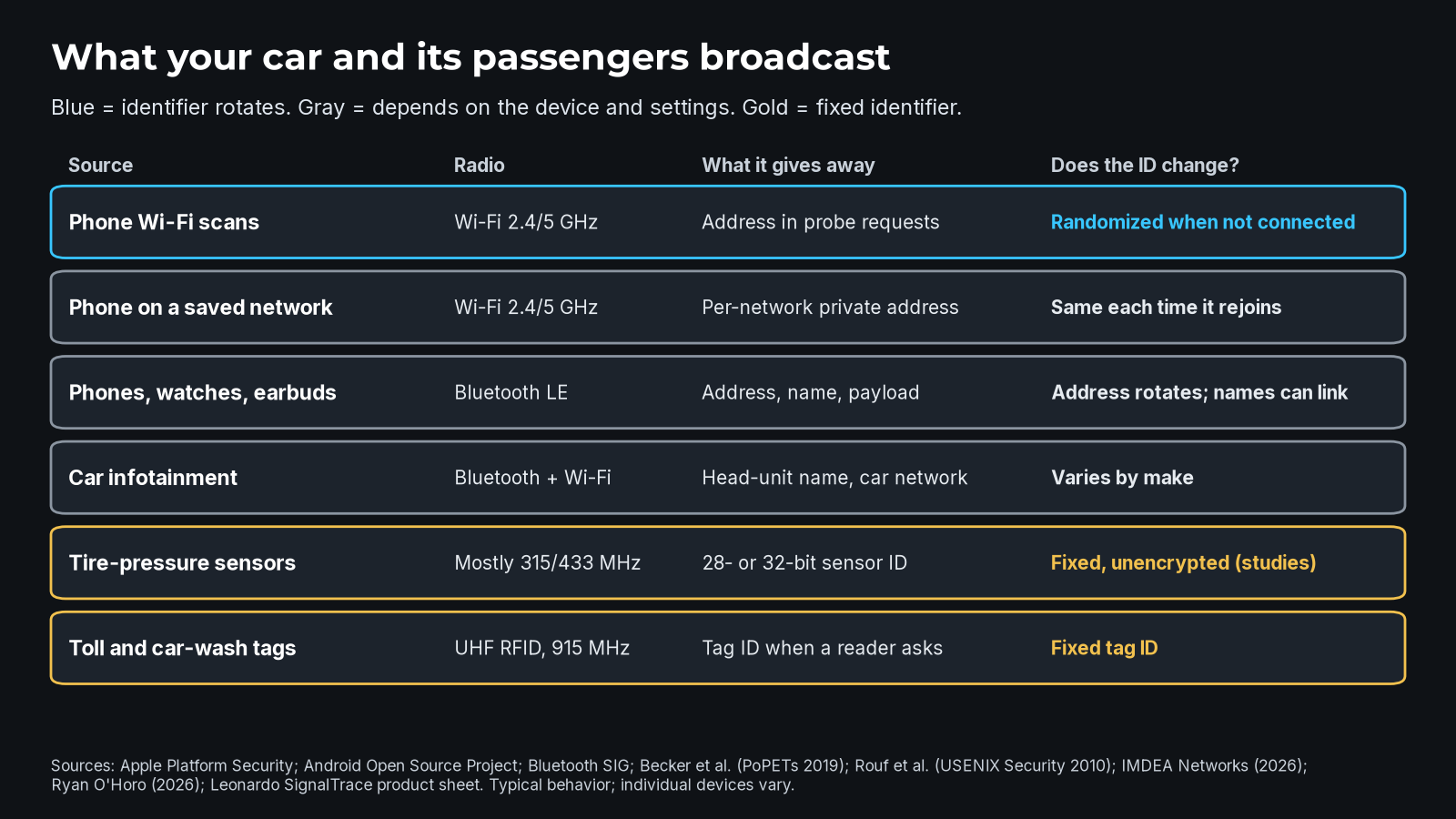
Picture a quiet two-lane road and three supercars running in a line. Nobody inside is texting or calling, and the cabins sound like engines and nothing else. On the radio dial, though, it is a party. Each phone is quietly asking whether any Wi-Fi network it knows is nearby. Watches and earbuds announce themselves over Bluetooth again and again. The infotainment system keeps its own wireless link to the driver's phone, and a little radio inside each tire reports its air pressure. None of this is secret. It is how wireless gadgets find each other, and it happens whether anyone is listening or not.
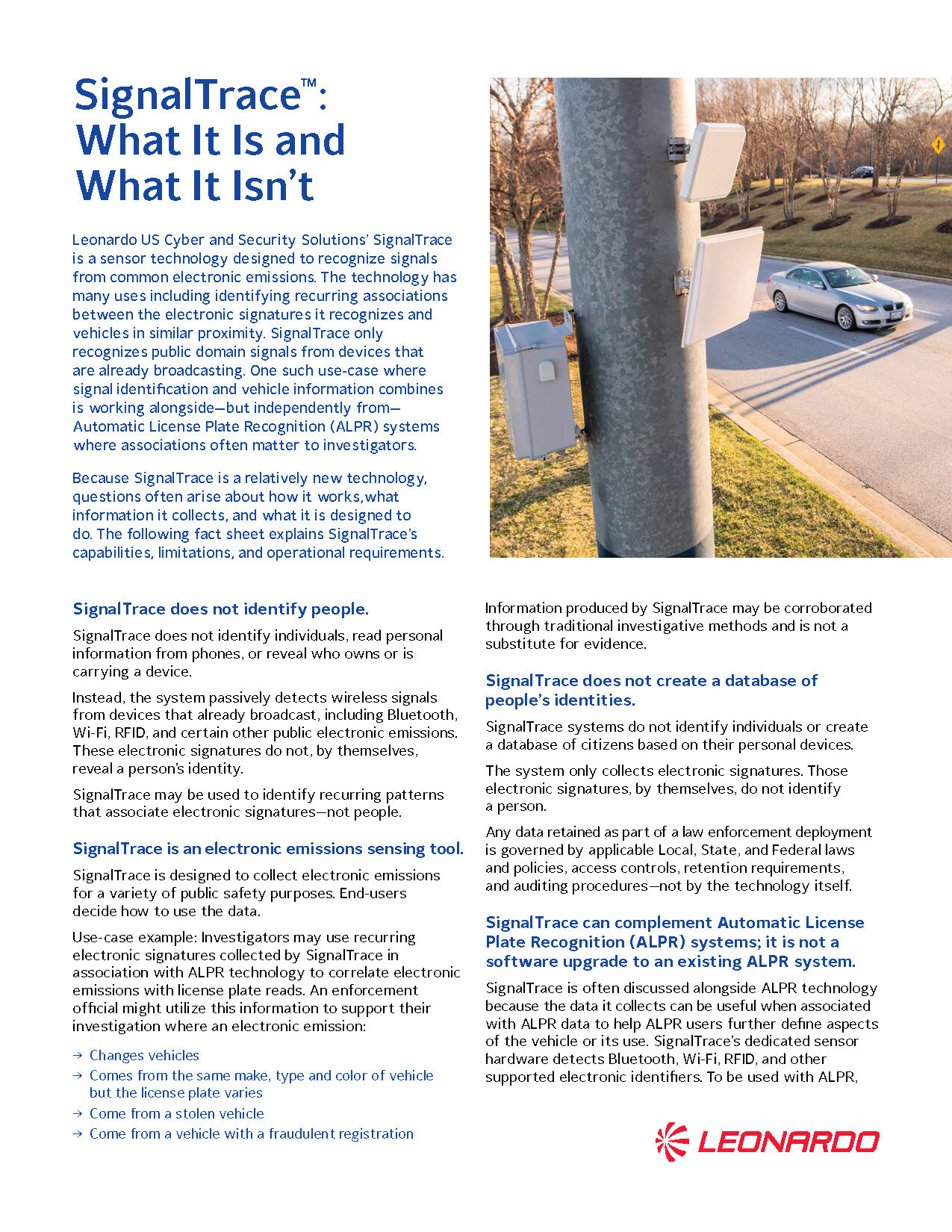
SignalTrace is a product built to listen. It comes from Leonardo, the Italian aerospace and defense group, through its U.S. subsidiary Leonardo U.S. Cyber & Security Solutions, which sells ELSAG-brand license plate readers. It is not a Flock Safety product. Leonardo says SignalTrace passively picks up publicly broadcast Bluetooth, Wi-Fi, RFID and other wireless signals. It then looks for groups of devices that keep showing up together and can match those groups to plate reads "if present." This explainer covers the radio side of that idea: what your car and the gadgets in it actually broadcast, what modern privacy features hide, what a roadside sensor can realistically tie to a moving car, and why a group drive is a special case.
Key facts, as of November 12, 2026:
- Maker: Leonardo U.S. Cyber & Security Solutions of Greensboro, North Carolina, a subsidiary of Leonardo S.p.A. It was formerly marketed as EOC Plus. Leonardo's press release introducing the SignalTrace name is dated July 15, 2026, in its file name, and went out on Business Wire on August 4.
- What it listens for: Bluetooth, Wi-Fi and RFID signals from phones, wearables, headphones, laptops, vehicle hotspots, infotainment systems and Bluetooth or RFID tire-pressure sensors, according to Leonardo's product sheet.
- What it says it doesn't do: decrypt or read the contents of devices or their communications, or identify people by itself.
- The open question: how well it works on moving traffic. We found no published independent test of its accuracy.
Radio 101: what "broadcasting" means
Every Wi-Fi or Bluetooth radio has an address, called a MAC (media access control) address, so other radios know who is talking. The Android Open Source Project describes it as a 48-bit number usually written as 12 hexadecimal digits, like 00:11:22:AA:BB:CC. A factory MAC address is meant to be globally unique and permanent, which is exactly what makes it useful for tracking.
Two everyday behaviors put those addresses on the air:
- Wi-Fi probe requests. When a phone isn't connected to Wi-Fi, it periodically sends short messages asking whether nearby networks exist, including networks it has joined before. As researcher Mathy Vanhoef and colleagues put it in 2016, tracking people this way "is possible because Wi-Fi-enabled devices routinely transmit probe requests to search for nearby networks, and these requests contain the unique MAC address of the device."
- Bluetooth advertising. Bluetooth Low Energy devices such as fitness trackers, earbuds and phones "announce their presence to other devices through a process known as advertising," the Bluetooth Special Interest Group explains, and those advertising packets contain an address too.
Neither of those requires a connection, a password or any software on the phone. A receiver just has to be in range and tuned to the right channel at the right moment. That is the sense in which Leonardo calls these signals "public domain," and it is why the company can truthfully say SignalTrace doesn't decrypt anything. The message contents stay encrypted. What a passive listener collects are the envelopes: who is transmitting, roughly when and roughly where.
Leonardo's own product page gives the best illustration of why envelopes still matter: "while 70 cars in 100 may contain iPhones, only one will have an iPhone 13rev2, an Audi radio, a pair of Bose headphones, a Garmin sports watch, and a key finder." No single device gives the car away. The combination might.
Your car is a transmitter, too
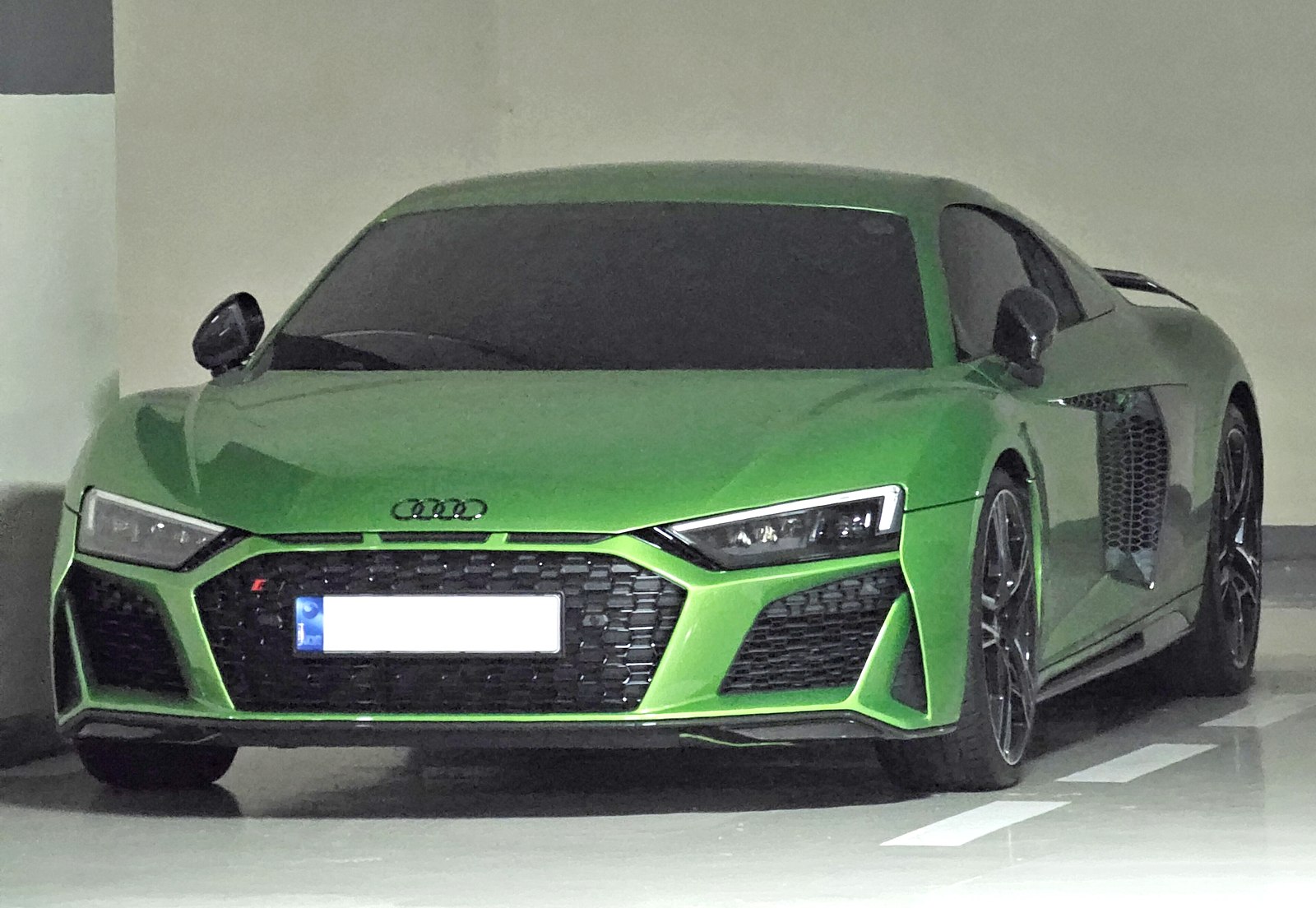
That "Audi radio" in Leonardo's example is a reminder that the car itself has radios, before anyone climbs in with a phone. Leonardo's product sheet lists three vehicle categories it can observe: "BT and RFID tire pressure sensors," "security and safety sensors" and "infotainment systems," plus "vehicle hotspots" under Wi-Fi.
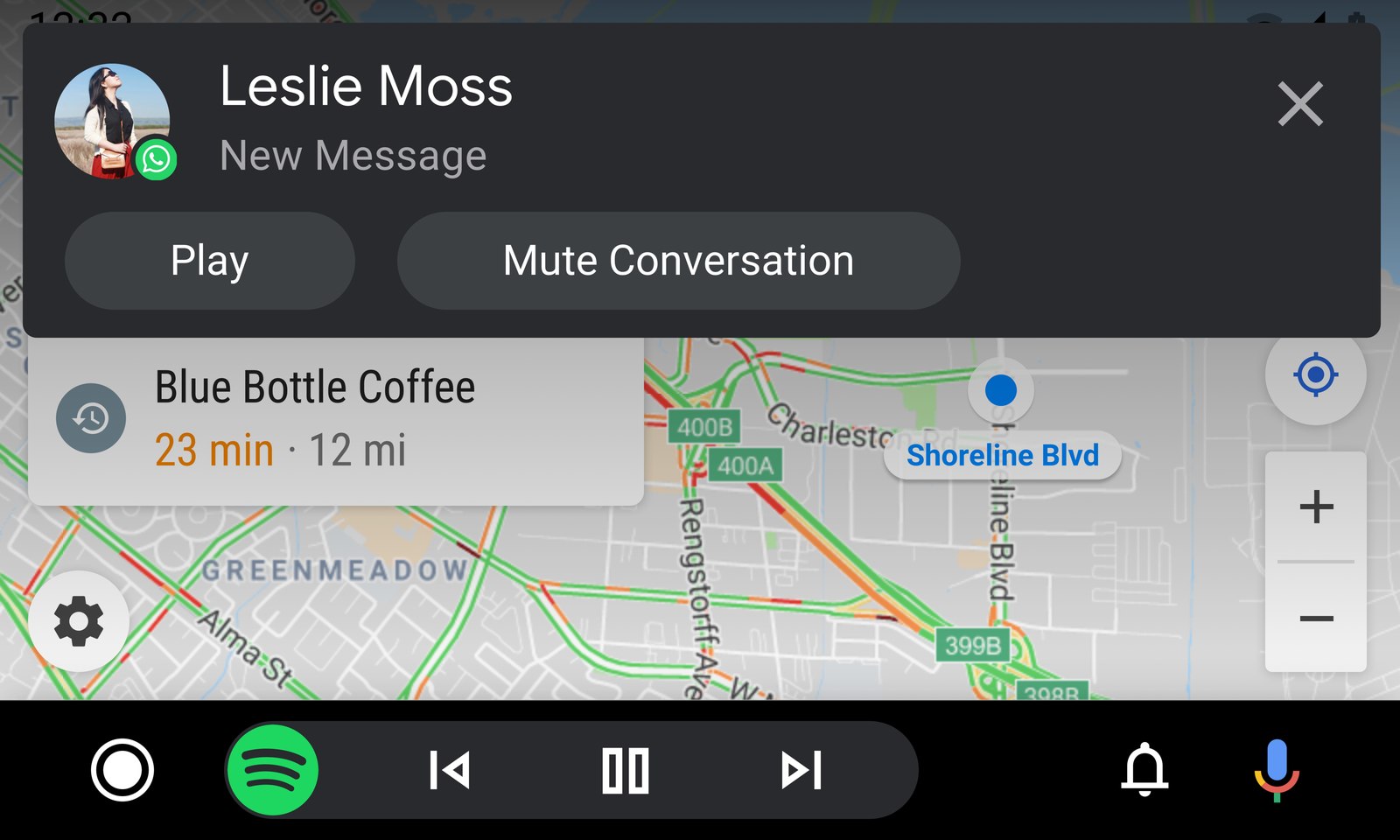
Infotainment and phone projection. Hands-free calling has run over Bluetooth for years. Wireless phone projection adds Wi-Fi. Apple's setup instructions for wireless-only CarPlay tell owners to put the stereo in wireless or Bluetooth mode, turn Wi-Fi on and make sure "Auto-Join" is on for the car's CarPlay network. Google says wireless Android Auto needs a phone with 5 GHz Wi-Fi support. In other words, many newer cars run a small private Wi-Fi network of their own, and the phone joins it every time you get in. Built-in vehicle hotspots for passengers work the same way.
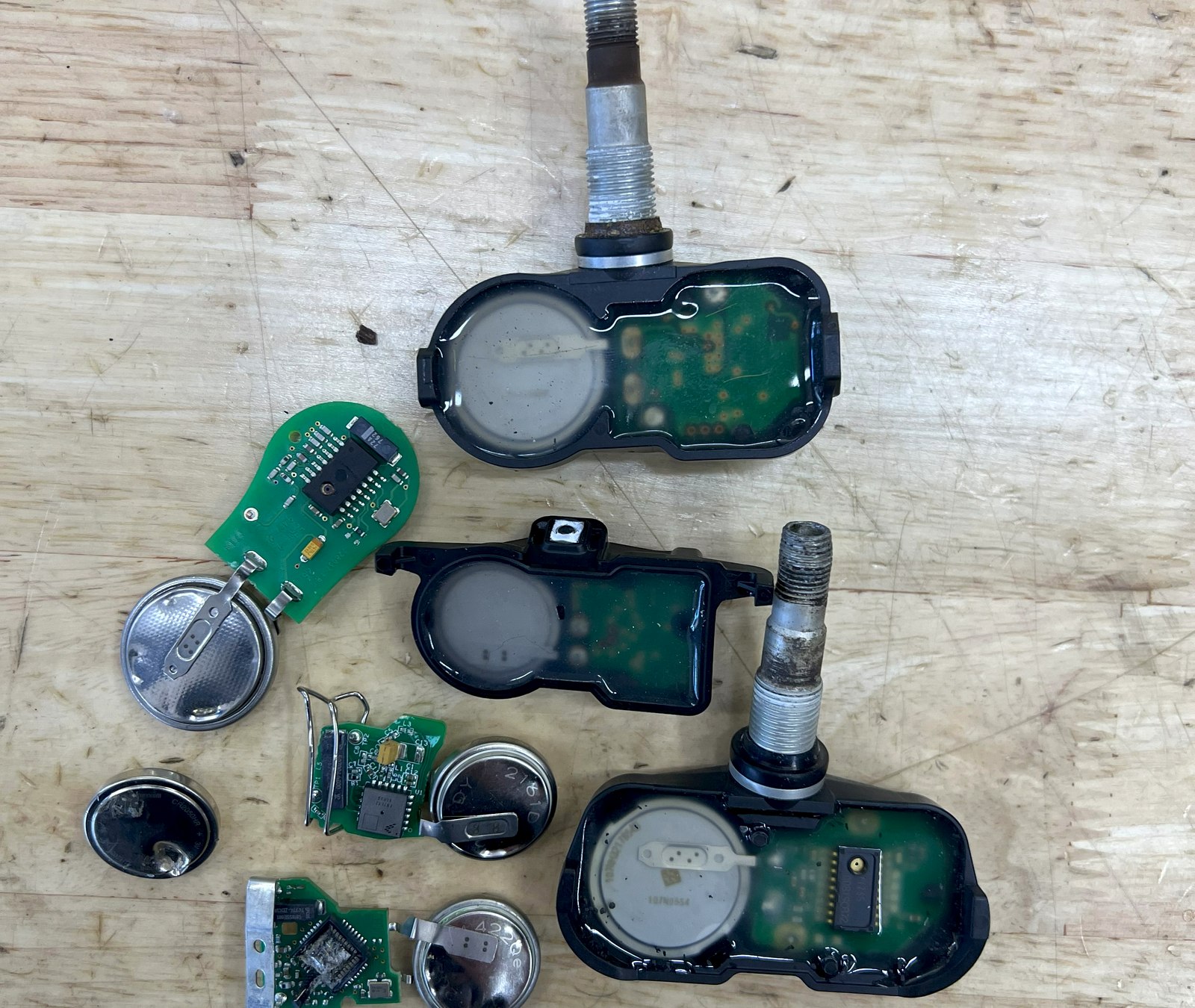
Tire-pressure sensors. The best-studied car radio is the tire-pressure monitoring system, or TPMS. In 2010, a team from Rutgers University's WINLAB and the University of South Carolina published "Security and Privacy Vulnerabilities of In-Car Wireless Networks: A Tire Pressure Monitoring System Case Study" at the USENIX Security Symposium. Studying two systems used in a large share of U.S. cars, they found that the sensors used no encryption and sent a fixed 28-bit or 32-bit identifier in every message. They could decode the sensors from about 10 meters (33 feet) away with a cheap antenna and from up to 40 meters (130 feet) with a basic low-noise amplifier. They decoded sensors from two cars running side by side at more than 110 km/h (68 mph) on Interstate 26 near Columbia, South Carolina, and even triggered a false low-pressure warning in a moving car from a nearby vehicle.
The same paper also explains why tire sensors are awkward to track at speed. The sensors they measured sent one packet "every 60 seconds or so." To be sure of catching one packet from a car at 60 km/h (37 mph) with their receivers' 9.1-meter range, they calculated, you would need a row of 110 roadside receivers, which they called "cost-prohibitive." Parked cars and cars waiting at a light are much easier.
The research hasn't gone stale. In February 2026, Spain's IMDEA Networks Institute and European partners reported that a network of receivers costing about $100 each collected more than six million TPMS messages from more than 20,000 vehicles over ten weeks, captured signals from moving cars at more than 50 meters, and matched the four tires of each car to follow vehicles' movement patterns. Their paper, "Can't Hide Your Stride: Inferring Car Movement Patterns from Passive TPMS Measurements," was accepted at the IEEE WONS 2026 conference.
Whether SignalTrace itself can hear most tire sensors is another matter. Security engineer Ryan O'Horo, who has written the most detailed public technical analysis of the product, points out that common TPMS sensors transmit on 315 MHz or 433 MHz, frequencies he says are "not suitable" for the flat panel antennas shown in Leonardo's materials. His read is that SignalTrace can likely detect only the less common Bluetooth tire sensors, which he says are found on newer Tesla models and on cheap aftermarket kits with sensors in the valve-stem caps. Leonardo has not published its antenna specifications.
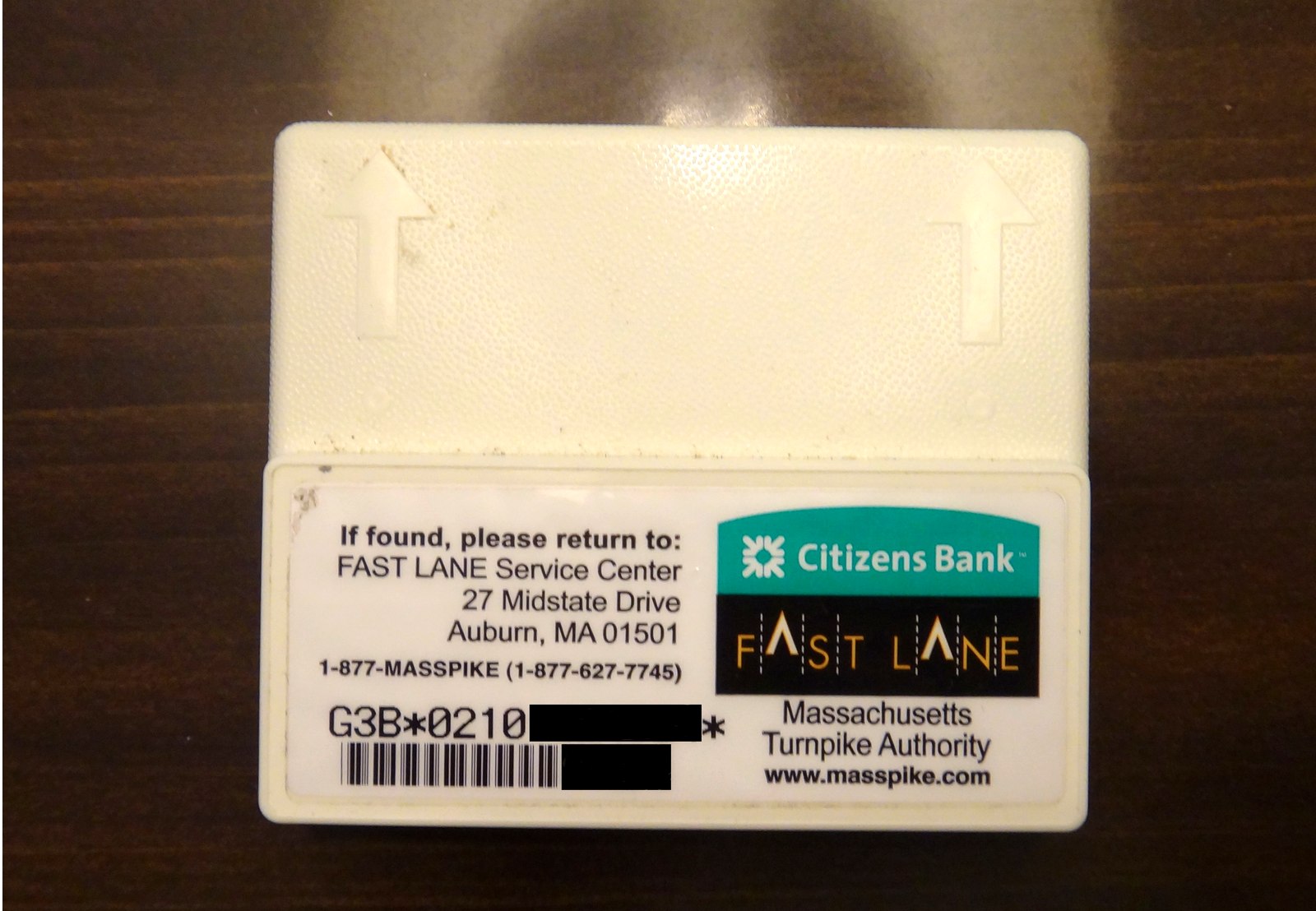
Toll and car-wash tags. The windshield transponder that pays your tolls is an RFID tag, and so are the stickers many subscription car washes and gated communities use. O'Horo notes that toll systems use several protocols, but many popular transponders use ISO 18000-6B or 6C (EPC Gen2), which ordinary UHF RFID readers support, including the Impinj Speedway reader that Leonardo's patent mentions. His conclusion: SignalTrace "can detect many, but not all" of the most common toll transponders. Toll agencies already know tags can be read when you don't intend it. Rhode Island's toll authority describes the silver bag that comes with an E-ZPass as "a read prevention bag."
The phones, watches and earbuds riding along
Everything people carry adds to the mix. Leonardo's product page names fitness trackers, smartwatches, RFID tags and mobile phones, and its product sheet adds wireless headphones, tablets, laptops, key cards, asset tags and pet microchips.
O'Horo is skeptical of parts of that list. Implanted pet microchips work at 125 kHz or 134 kHz and are read by inductive coupling at a practical maximum of about 50 centimeters, he writes, which makes reading one from the roadside "implausible." He thinks the claim probably means Wi-Fi or Bluetooth pet collars. Most access badges, credit cards and transit cards use 13.56 MHz and are hard to read at any distance. He sees no evidence that SignalTrace supports that band.
That leaves Wi-Fi and Bluetooth as the main event. O'Horo calls them "some of the world's most ubiquitous signals... typically very chatty, with strong signals." They are also where phone makers have done the most to stop tracking.
What MAC address randomization hides
Phone makers have known about passive Wi-Fi and Bluetooth tracking for more than a decade, and the main defense is to stop broadcasting a permanent address.
- iPhone and other Apple devices. Apple says its platforms use a randomized MAC address for Wi-Fi scans whenever they aren't connected to a network, so passive observers can't use it to track a device "persistently." Since iOS 14, each Wi-Fi network you join also sees a different "private Wi-Fi address." In iOS 18 and later, that address is "Fixed" by default on networks with WPA2 or stronger security, and "Rotating" every two weeks on weakly secured or open networks. Starting with iOS 16.1, Apple also randomizes Wi-Fi frame sequence numbers whenever the address changes, and it randomizes other frame fields that could link one random address to the next.
- Android. Since Android 8.0, phones have used randomized MAC addresses when probing for new networks while not connected. Since Android 10, a randomized address is the default when connecting, generated per network and kept for that network.
- Bluetooth. Bluetooth LE Privacy, available since Bluetooth Core 4.0, replaces the address in advertising packets "with a random value that changes at timing intervals determined by the manufacturer." Devices you have paired hold a key that lets them recognize your gadget anyway; strangers' receivers don't.
For a phone with current software, that means a roadside listener usually doesn't see one permanent address following you from town to town. It sees a series of addresses that look like different devices.
And what it doesn't
Randomization is a real improvement, not a cloak. Researchers and the platforms' own documentation describe several gaps.
- Known networks and stable per-network addresses. Apple notes that "Wi-Fi scans that happen while trying to connect to a preferred Wi-Fi network aren't randomized." Android's per-network address is designed to stay the same every time a phone rejoins the same network, and Android's documentation notes that MAC addresses "are transmitted without encryption." A phone that joins the same car's CarPlay or Android Auto network every morning is, by design, using the same private address with that car each time.
- Fingerprints beyond the address. Vanhoef and colleagues showed in 2016 that the details inside probe requests, combined with sequence numbers, could track "as much as 50% of devices for at least 20 minutes" in real-world data without relying on MAC addresses. Apple's later sequence-number and field randomization targets exactly that kind of linking.
- Bluetooth payloads. A 2019 Boston University study, "Tracking Anonymized Bluetooth Devices," found that many devices using randomized Bluetooth addresses still leaked identifying tokens in their advertising payloads, letting a passive observer follow them "well beyond their address randomization cycles."
- Names and models. O'Horo notes that Bluetooth devices "tend to reveal the model in the device name," so even with a random address, a listener may know it heard a Bose product or an Audi head unit. That is the raw material for Leonardo's "iPhone 13rev2, an Audi radio" style of signature.
- Everything that isn't a new phone. O'Horo writes that address randomization "has not been uniform, and is difficult to find outside of newer laptops and mobile phones," and that "more modern and expensive devices defend against tracking better." The tire-pressure sensors in the studies above broadcast a fixed ID with no randomization at all, and toll and car-wash tags answer with a fixed tag ID.
The short version: your current phone is a hard target, but the car around it and the older gadgets in it may not be.
How a pile of signals becomes a "signature"
Leonardo's description of the process is simple. Its sensors capture device signals "along with LPR data if present." Algorithms then determine "which specific mix of devices are predictably moving together," and that mix, "linked by common time stamps and locations," is the electronic signature. Leonardo's fact sheet says SignalTrace uses its own sensor hardware and is "not a software upgrade to an existing ALPR system." Its product sheet says it can also run in non-traffic settings "such as rail stations, event venues, and shopping centers."
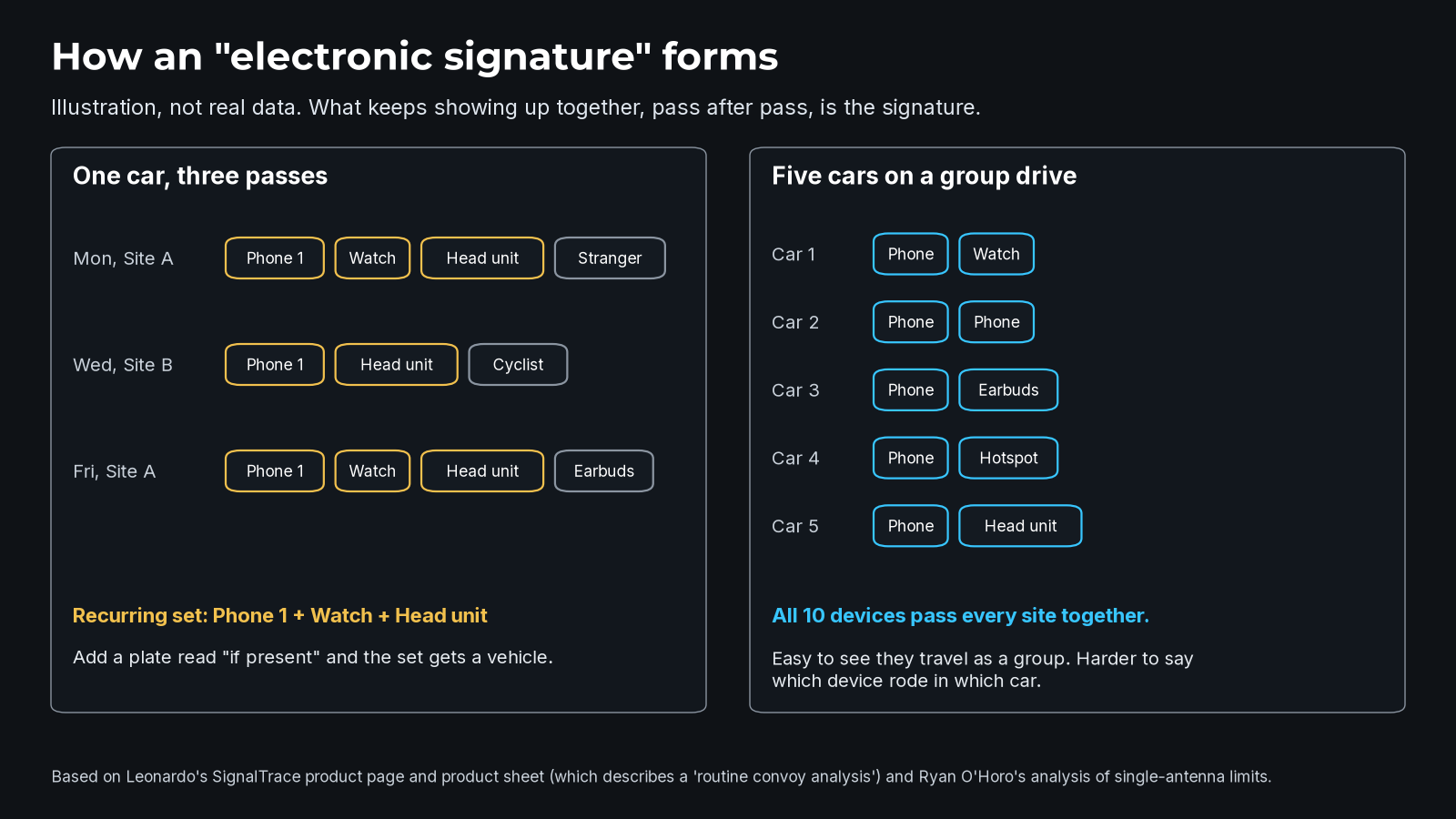
The key word is "predictably." One pass by one sensor proves little, because a sensor at the curb also hears pedestrians, cyclists and cars in the next lane. A signature emerges only when the same set of identifiers keeps appearing together across days or locations. That is also why random addresses matter so much: a phone whose address changes between sightings breaks the pattern, while a tire sensor, a toll tag, a stable head-unit name or a phone's fixed address on a familiar network keeps it going.
Leonardo's product sheet frames the plate link as a way to notice when a signature "changes vehicles" or turns up on a car whose plate doesn't match, such as a stolen car or one with a fraudulent registration. How long the data is kept and who may search it is up to the agency and the law, Leonardo says, "not by the technology itself."
Can it pick one car out of moving traffic?
This is where the physics gets in the way. O'Horo, whose analysis is based on Leonardo's marketing, its patent and photos of what he identifies as installed units, lists the main problems:
- Single antennas can't pinpoint. A directional antenna can tell you a signal came from somewhere in its beam, not from which of several cars, so "different vehicles and bystanders blend together in traffic."
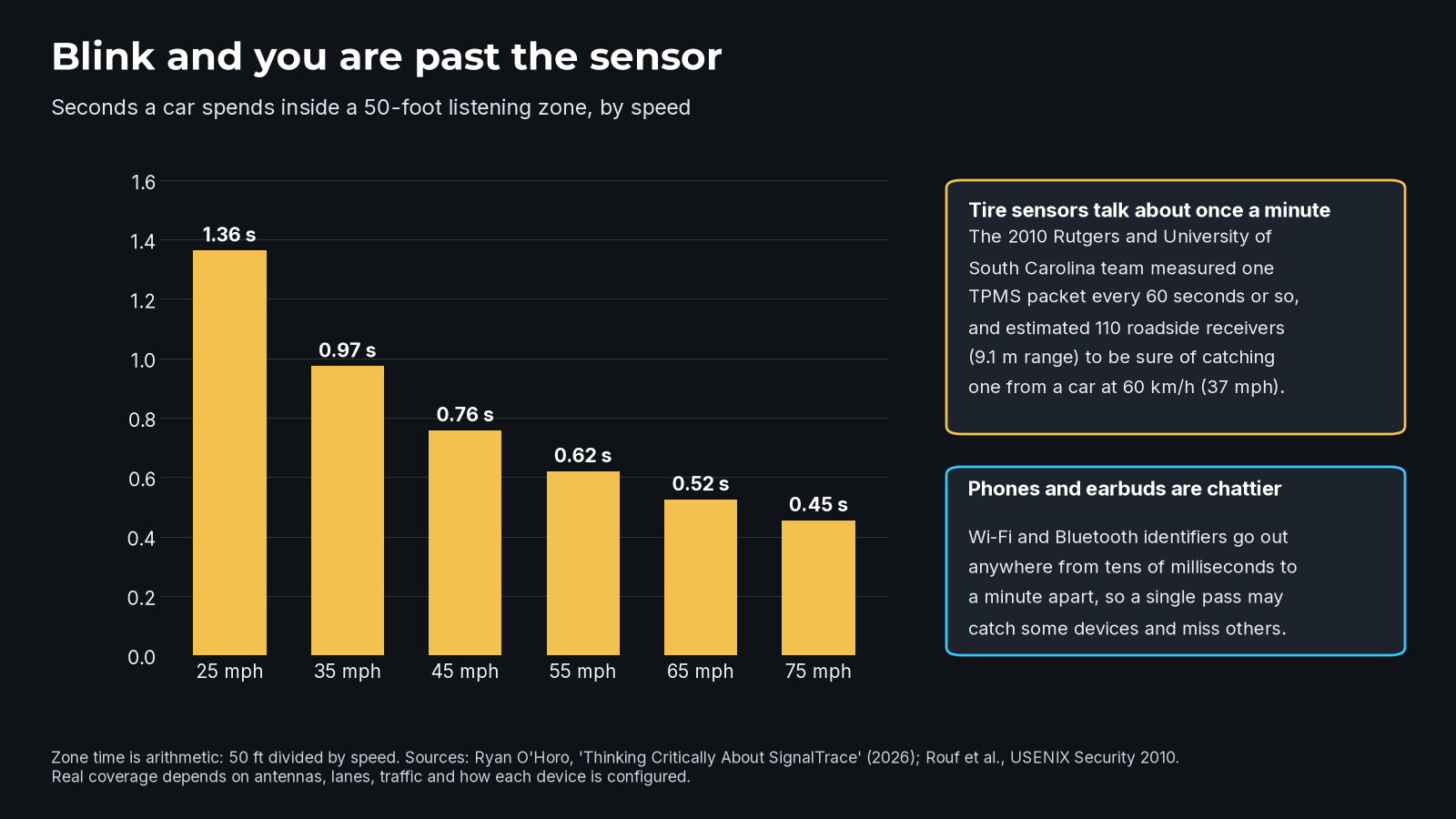
- Devices talk in bursts. Identifying messages from Wi-Fi or Bluetooth devices may come "tens of milliseconds up to a minute" apart, and tire sensors 30 seconds or more apart, by his estimate.
- Cars move fast. He estimates a car at 50 mph covers roughly 50 feet "in about 600 ms," meaning it is "in and out of the detection zone in less than a second." Our own arithmetic puts that figure closer to 0.7 seconds, and the point stands.
- Radios hop channels. Wi-Fi devices transmit on different channels, and a single receiver typically listens to one channel at a time.
His conclusion is that SignalTrace "absolutely depends on a vehicle of interest passing multiple collection points, or passing the same point multiple times, such as commuters, or round-trips." He also notes that the EOC software displays confidence levels for correlations, and that "the end user needs to look at the correlation data and decide for themselves if the evidence is strong enough to act on."
So what can it realistically link to a car? Based on the research above, the best candidates are the things that stay with the vehicle and don't randomize. Those include Bluetooth tire sensors where fitted, a toll or car-wash tag, and a head unit or hotspot with a stable name or address, observed repeatedly alongside the same plate. Personal devices are harder. A current phone's randomized scans break the chain, but older wearables, earbuds and trackers may not. And any match is an association, not an identity. Nicole M. Bennett, an Indiana University researcher, points out in The Conversation that "a device can be borrowed or left in a car," and that "even a correct match between a device and a vehicle does not establish who carried it on a particular day."
Why group drives and rallies are a special case
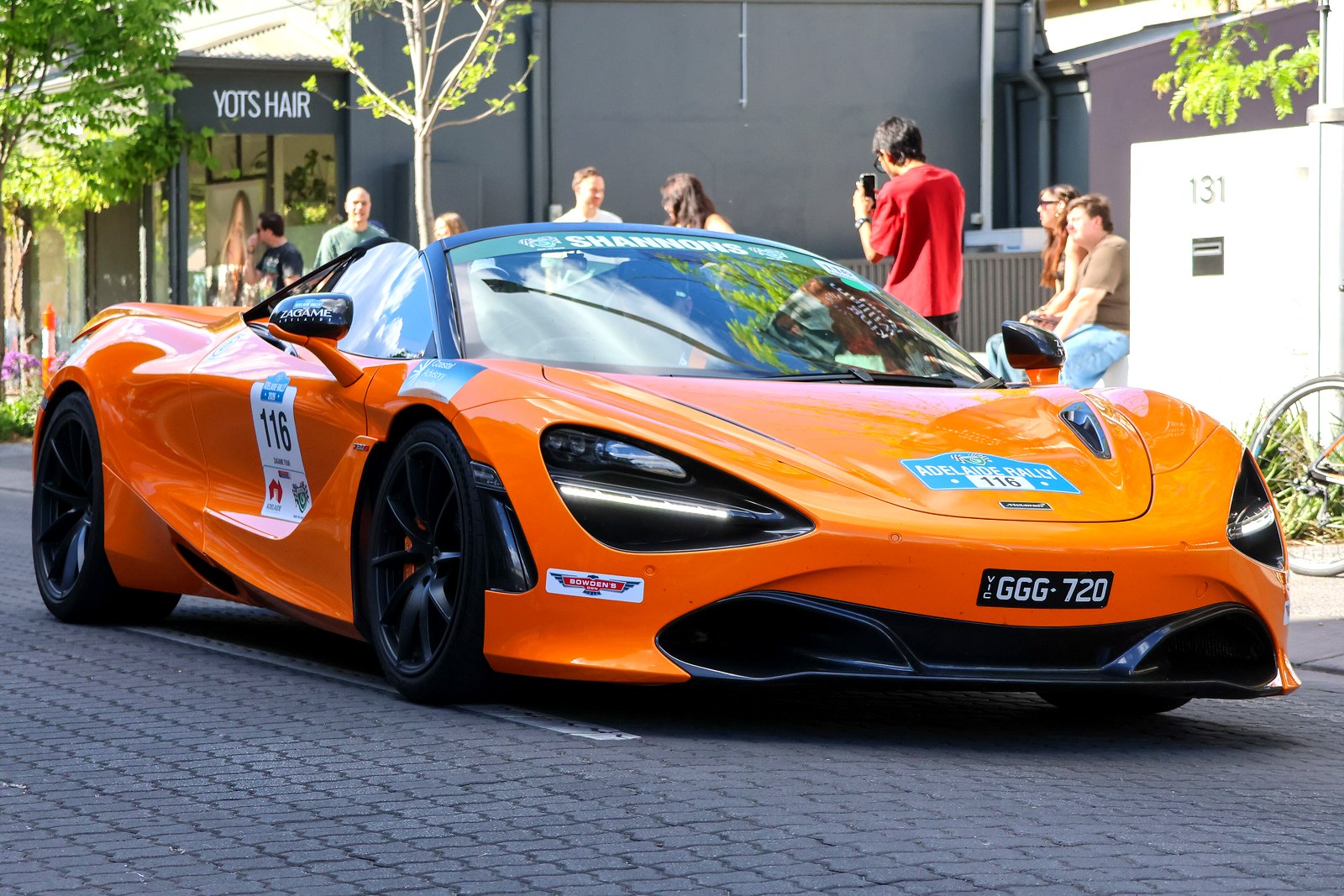
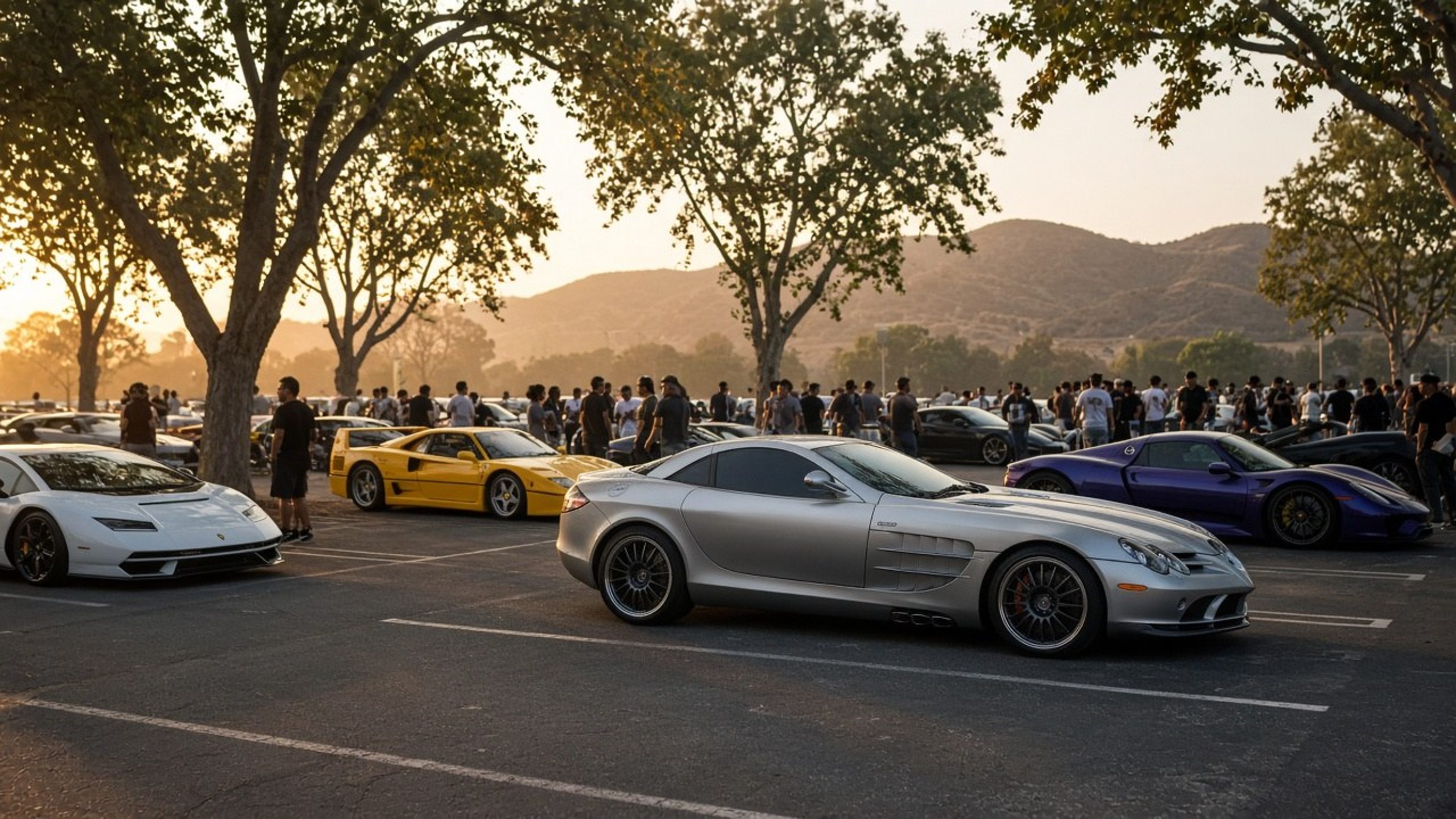
A rally or a weekend group drive is unusual traffic. Dozens of cars, each carrying several phones, watches and headsets, pass the same points in the same order, often over several days, and then park together at fuel stops, lunch and the hotel. That is almost a textbook case of devices "frequently traveling together," the pattern Leonardo's product page says SignalTrace looks for. Older Leonardo marketing quoted by O'Horo went further, saying the system reveals signatures that frequently travel together "with an individual or vehicle, which can lead to the discovery of convoys and other movement and travel patterns." The sample case in Leonardo's current product sheet begins with "a routine convoy analysis involving an Audi vehicle."
Three things follow, and none of them is cause for panic.
- The group is easy to see; the individual cars are not. Ten phones moving in a tight pack across five sites clearly belong together. Which phone rode in which car is much harder to tell from a single roadside antenna, especially when cars are nose to tail.
- Stops matter more than straights. The 2010 tire-sensor study noted that capture is easiest when a car is "stationary (e.g., a traffic light or a parking lot)." Signals are far easier to collect at a cars-and-coffee meet, a fuel stop or a hotel lot than at speed on a highway.
- Association isn't intent. Bennett notes that such a system "cannot know why people were close to each other." On a rally, the answer is usually that everyone signed up for the same route.
It is also worth keeping scale in mind. Leonardo told Forbes in 2024 that the product had no paying customers. O'Horo has written that it "seems to be basically non-existent in the US market," while documenting what he believes are a handful of installations in Maryland. We found no public evidence of SignalTrace being used at car events.
Legal privacy steps that actually help
None of these require special gear, and all of them are legal. Some trade convenience for privacy, so pick the ones that suit how you use your car.
- Keep everything updated. Apple's Wi-Fi frame randomization arrived with iOS 16.1, for example. Phones, watches and, where the maker offers updates, infotainment systems all benefit.
- Leave private Wi-Fi addresses on. On an iPhone, it is under Settings > Wi-Fi > the network's info button. On iOS 18 and later, you can choose "Rotating" for a network if you want its address to change every two weeks. On Android 10 and later, randomization is on by default per network.
- Prune your saved networks. Apple notes that scans aimed at a preferred network aren't randomized, so forgetting networks you no longer use reduces what your phone goes looking for.
- Turn radios off properly when you don't need them. On an iPhone, the Control Center buttons only disconnect Wi-Fi and Bluetooth, and both "will continue to be available" for features like AirDrop and Apple Watch. To turn them off completely, use the switches in Settings.
- Give devices generic names. A name that includes your own name or a model number travels with the signal.
- Turn off the car's hotspot when nobody is using it. Your owner's manual shows how.
- Bag the toll tag off toll roads. If your agency supplied a read prevention bag, use it when you don't want the tag read. Take the tag out before you reach a toll, because a tag that isn't properly mounted won't be read, and you can be billed a violation fee.
- Don't jam, and don't disable safety systems. The FCC says operating a radio jammer is illegal, with "no exceptions for personal, commercial, educational, or vehicular use." Tire-pressure monitoring is safety equipment. Leave it alone and let the industry fix its security, as the IMDEA team has urged.
Signal-blocking pouches for phones and key fobs are also legal for your own devices, though O'Horo points out that such fixes can be "impractical for daily use" and argues that "the burden of not being tracked in public should not be on the individual." This article is for general information and is not legal advice.
The bottom line
Your car and everything in it is a small, constant broadcaster, and that has nothing to do with any one company. SignalTrace is Leonardo's attempt to turn those broadcasts into investigative leads by finding devices that keep traveling together. Modern phones make that much harder than it was a decade ago. Tire sensors, toll tags, car radios and older gadgets make it easier. On a fast road, the physics favors the driver. At a parking lot or after many repeat passes, it favors the listener. And as Biometric Update noted in August, no publicly available independent evaluation has established how accurate the system is.
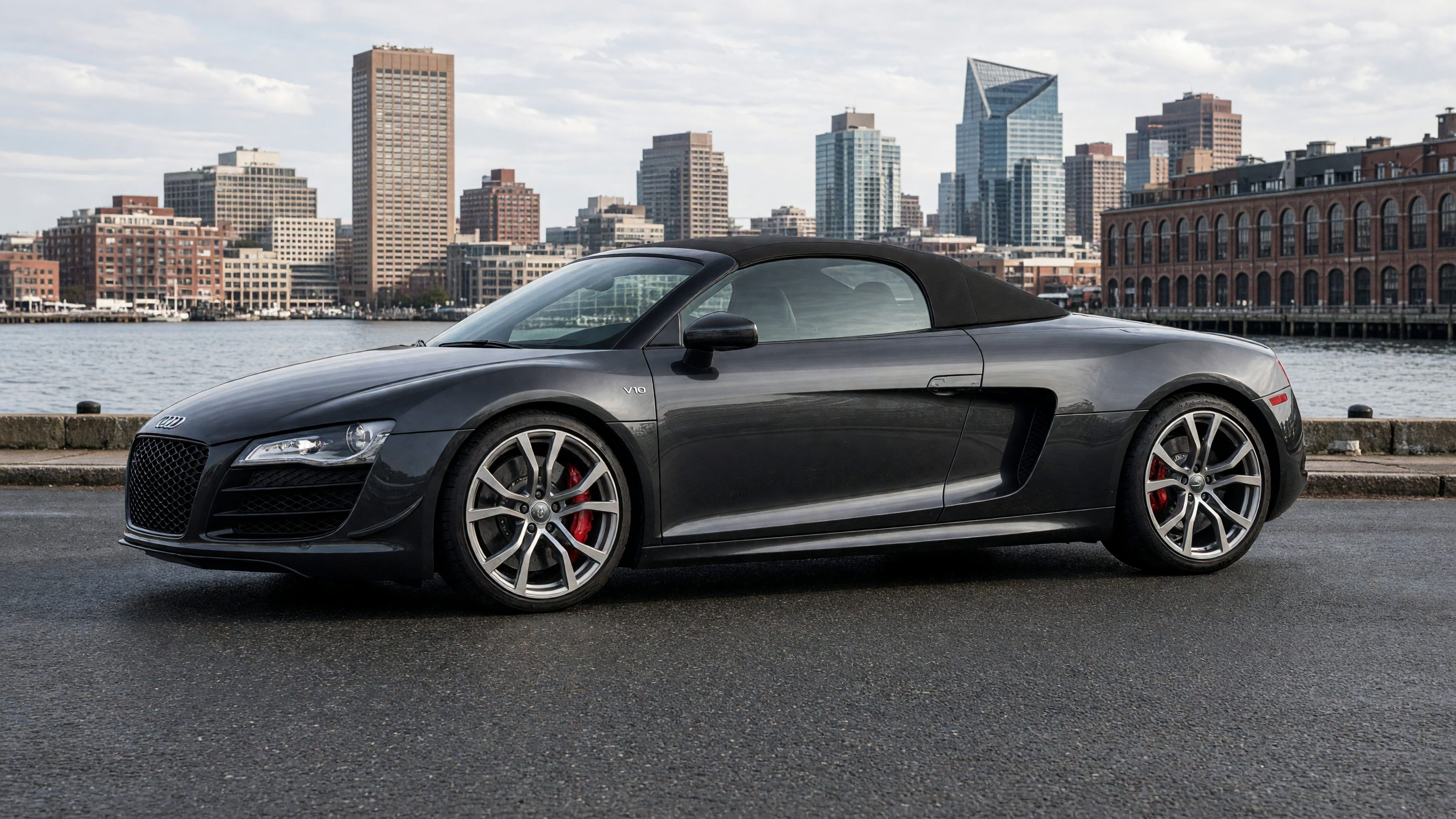
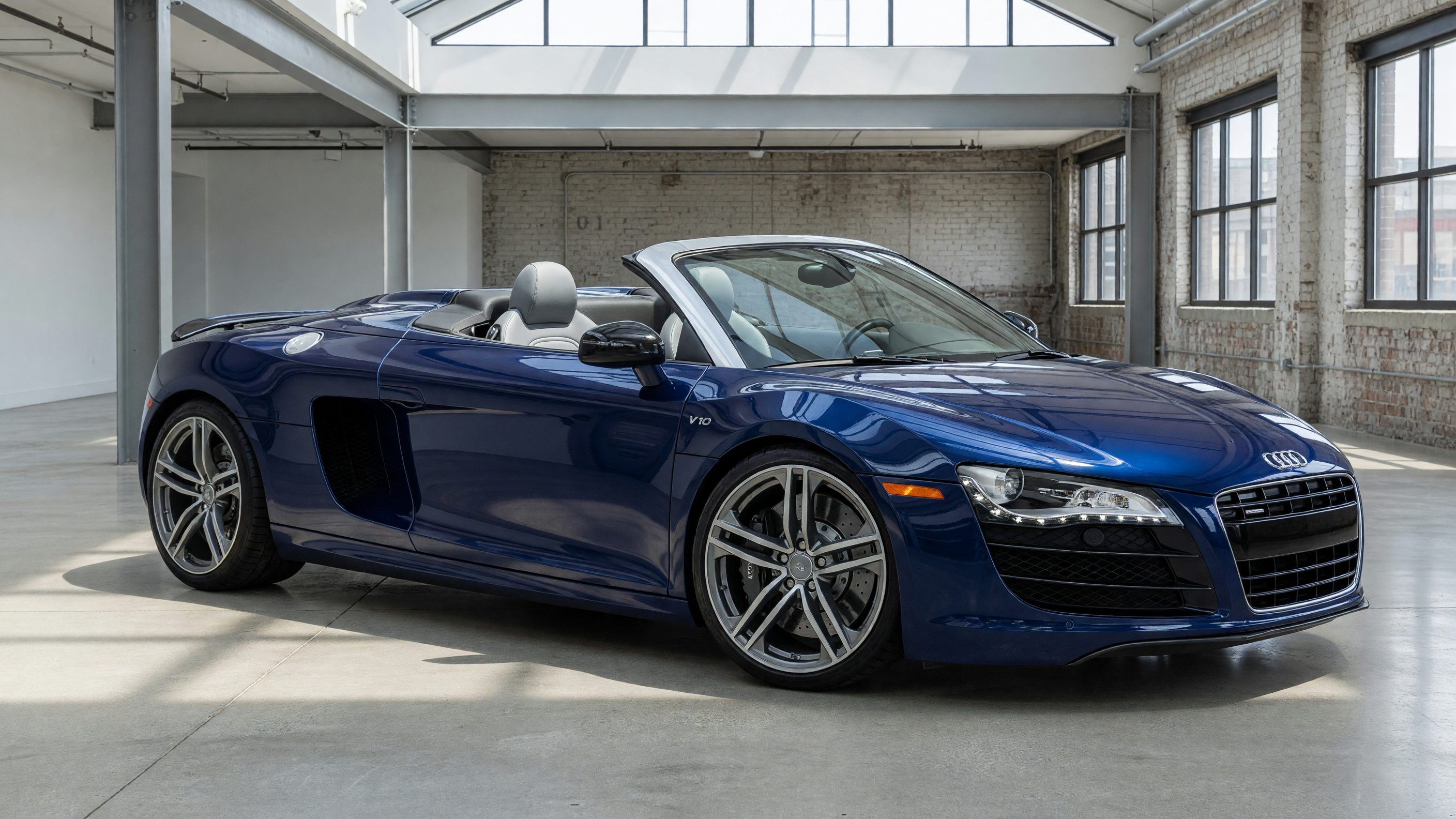
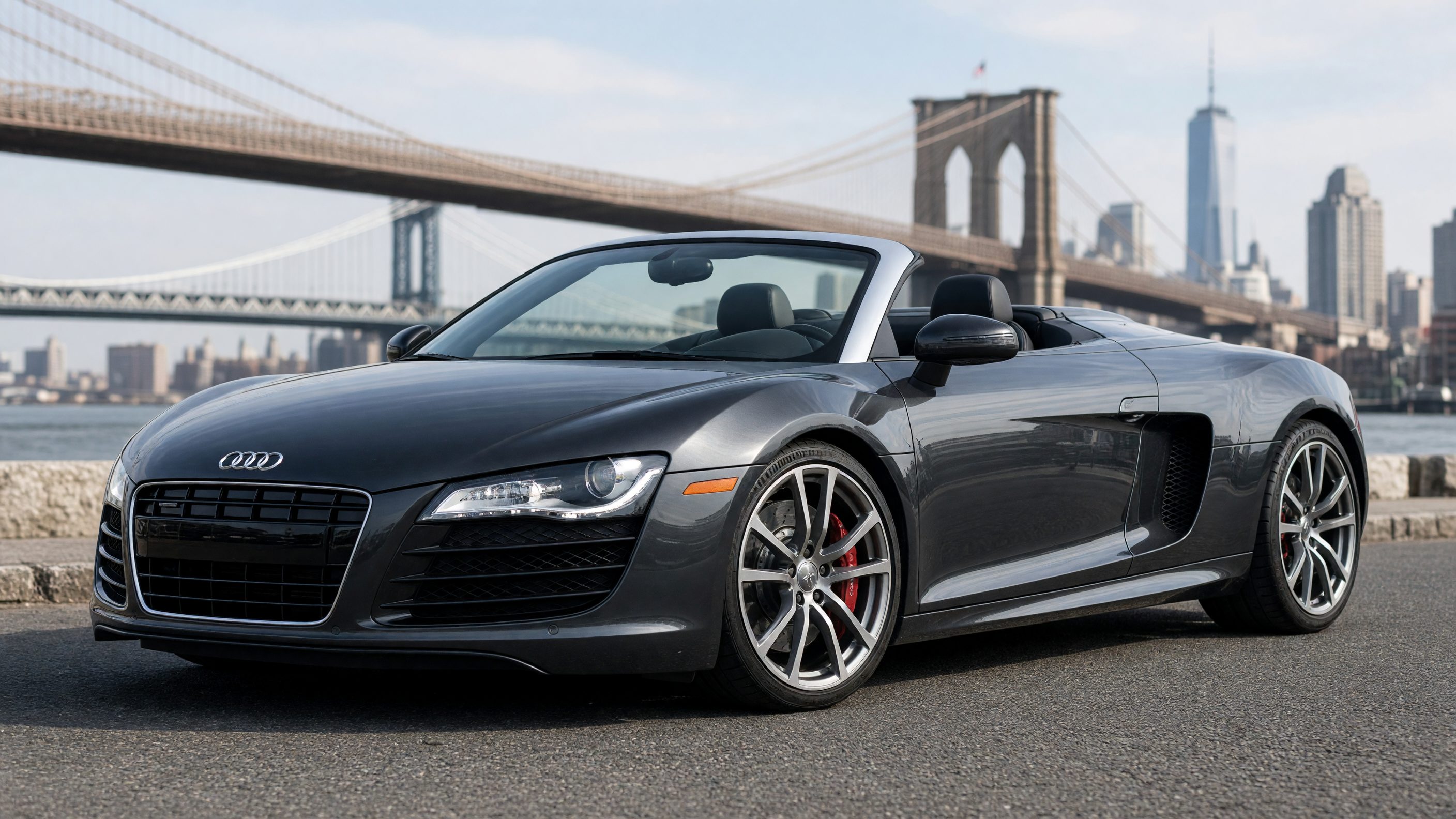
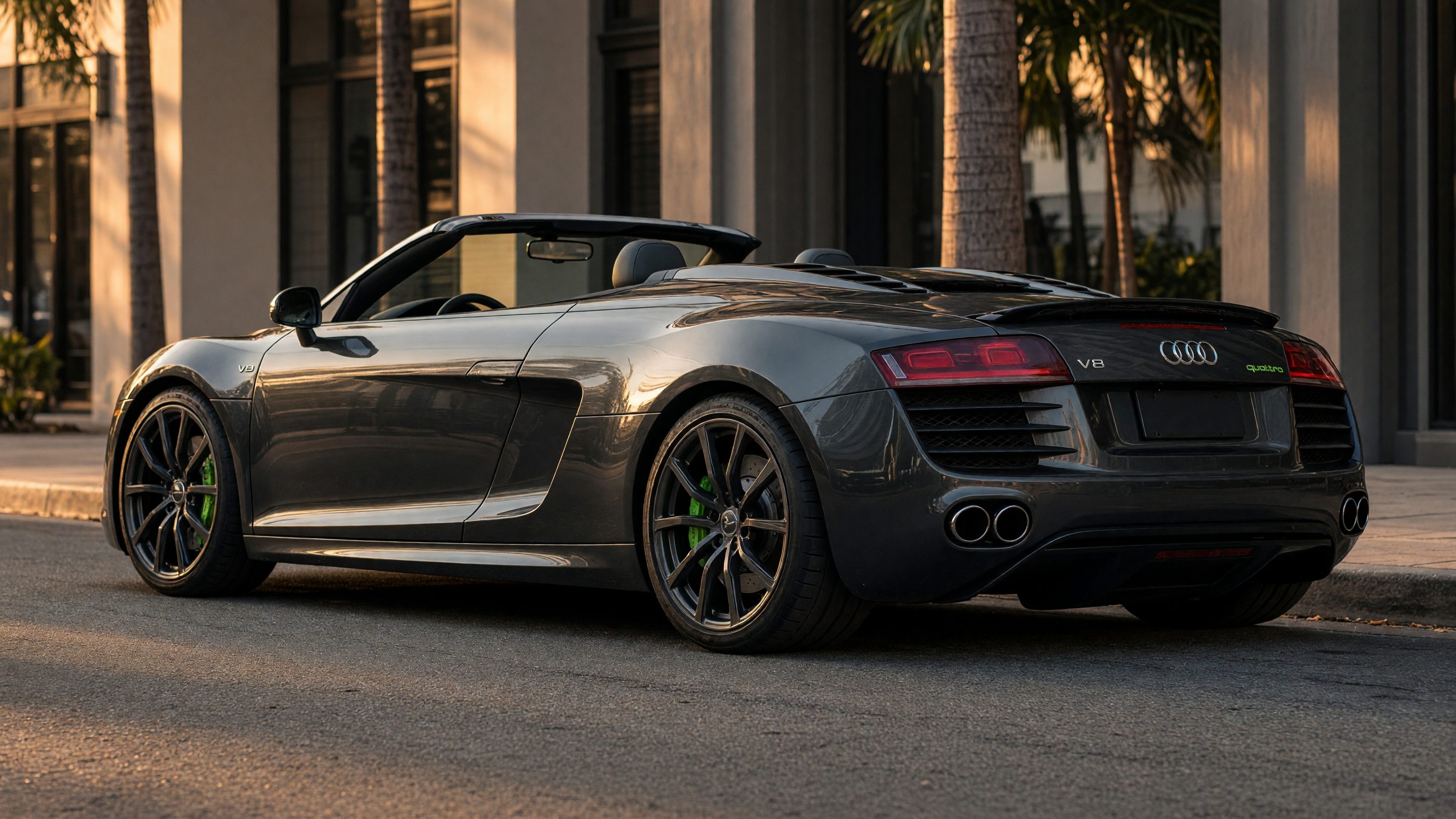
Leonardo's example signature includes an "Audi radio." If you'd rather own the whole Audi, this Tango Red Metallic 2023 Audi R8 Coupe V10 on Exotics Group was listed at $193,272 with 6,367 miles as of November 12, 2026.
For how plate-reading cameras such as Flock's work, how long their reads are kept and where the courts stand, read Sophia Chen's companion deep dive, Read, Flagged, Stopped: What Flock Cameras and Signal-Tracing Tech Mean for Exotic-Car Owners.
Tire-pressure sensors live inside the wheels covered in Getting a Grip: Hot Rubber, Slip Angles and the Magic Formula Behind Supercar Tires. For a group drive done right, read Escape Velocity: A Daylight Drive Out of Las Vegas During SEMA Week, and for the R8's place in the market, see The Last Naturally Aspirated V10s: 2026 Market Report on the Lamborghini Huracán and Audi R8.
Planning a drive with friends? Find cars-and-coffee meets, track days and group drives near you, or submit your own, on the Exotics Group events calendar.
Sources
- Leonardo: ELSAG SignalTrace product page
- Leonardo: ELSAG SignalTrace Intelligence System product sheet
- Leonardo: SignalTrace: What It Is and What It Isn't (fact sheet)
- Leonardo U.S. Cyber & Security Solutions: press release introducing SignalTrace (file dated July 15, 2026)
- Business Wire: Leonardo US Cyber & Security Solutions Introduces SignalTrace (August 4, 2026)
- Leonardo: ALPR About Us (company history)
- Google Patents: US 11,941,716 B2, Systems and methods for electronic signature tracking
- Ryan O'Horo: Thinking Critically About SignalTrace
- 404 Media: This Company Will Add Phone, AirPod, and Smartwatch Trackers to License Plate Readers (June 8, 2026)
- Forbes: New Police Tech Can Detect Phones, Pet Trackers And Library Books In A Moving Car (May 14, 2024)
- Biometric Update: SignalTrace pairs wireless device signals with license plate records (August 13, 2026)
- The Conversation: New tech adds phone tracking to license plate readers, associating devices with identifiable cars (Nicole M. Bennett, August 11, 2026)
- Rouf et al., Security and Privacy Vulnerabilities of In-Car Wireless Networks: A Tire Pressure Monitoring System Case Study (USENIX Security 2010)
- IMDEA Networks: Your car's tire sensors could be used to track you (February 25, 2026)
- Vanhoef et al., Why MAC Address Randomization is not Enough (AsiaCCS 2016)
- Becker, Li and Starobinski, Tracking Anonymized Bluetooth Devices (PoPETs 2019)
- Apple Platform Security: Privacy features when connecting to wireless networks
- Apple Support: Use private Wi-Fi addresses on Apple devices
- Apple Support: Use Bluetooth and Wi-Fi in Control Center
- Apple Support: Use CarPlay with your iPhone
- Android Open Source Project: Implement MAC randomization
- Android Open Source Project: MAC randomization behavior
- Bluetooth SIG: Bluetooth technology protecting your privacy
- Google: Get started with Android Auto
- Rhode Island Turnpike and Bridge Authority: E-ZPass FAQ
- Federal Communications Commission: Jammer Enforcement
- Wikimedia Commons, Audi R8 V10 Performance in Java Green Metallic (Damian B Oh, CC BY-SA 4.0)
- Wikimedia Commons, Android Auto UI (Google, CC BY 2.5)
- Wikimedia Commons, Tire pressure sensors (TpmsReset, CC BY-SA 4.0)
- Wikimedia Commons, E-ZPass MA Transponder (Fast Lane) (NWRGeek, CC0)
- Wikimedia Commons, McLaren 720S Spider at the 2026 Adelaide Rally Street Party (Yu Chu Chin, CC BY-SA 4.0)