exoticsgroup.com



At a glance
Year
2015
Mileage
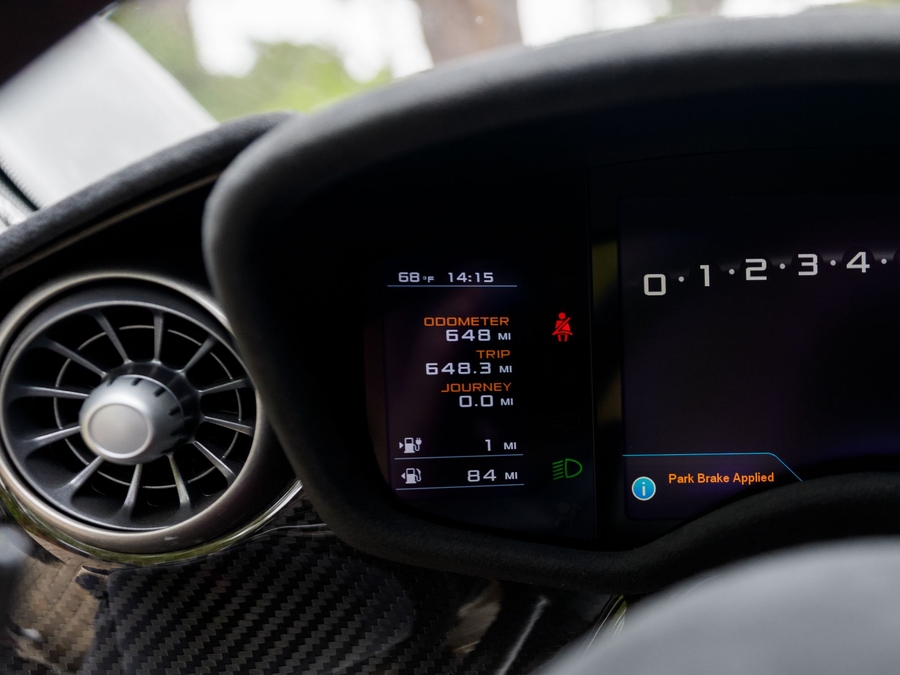
648 mi
Engine
3.8L V8
Transmission
Automatic
Drivetrain
Rear-wheel Drive
Body
Coupe
VIN
SBM12ABA0FW000166
About this car
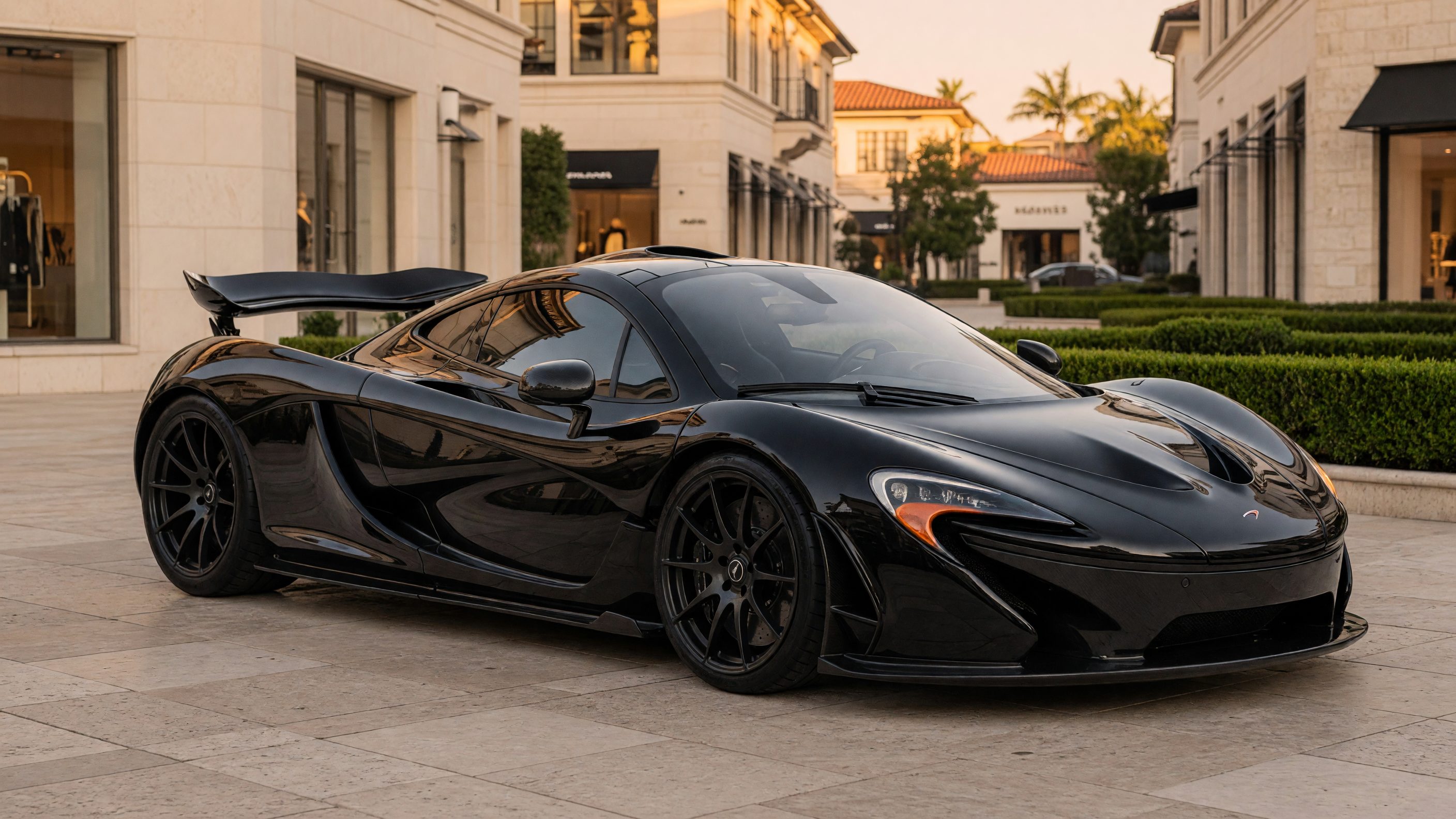
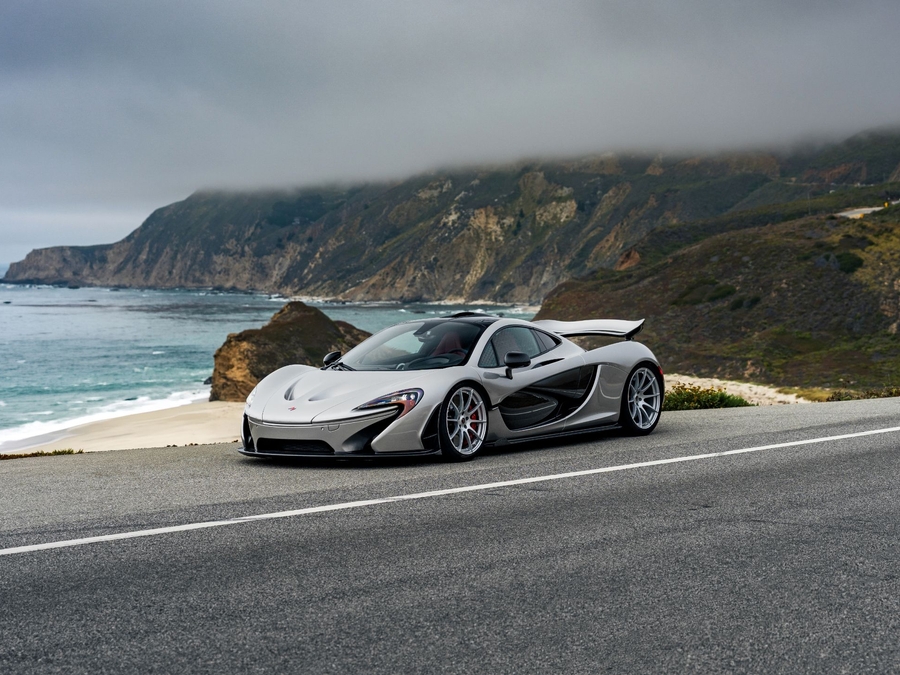
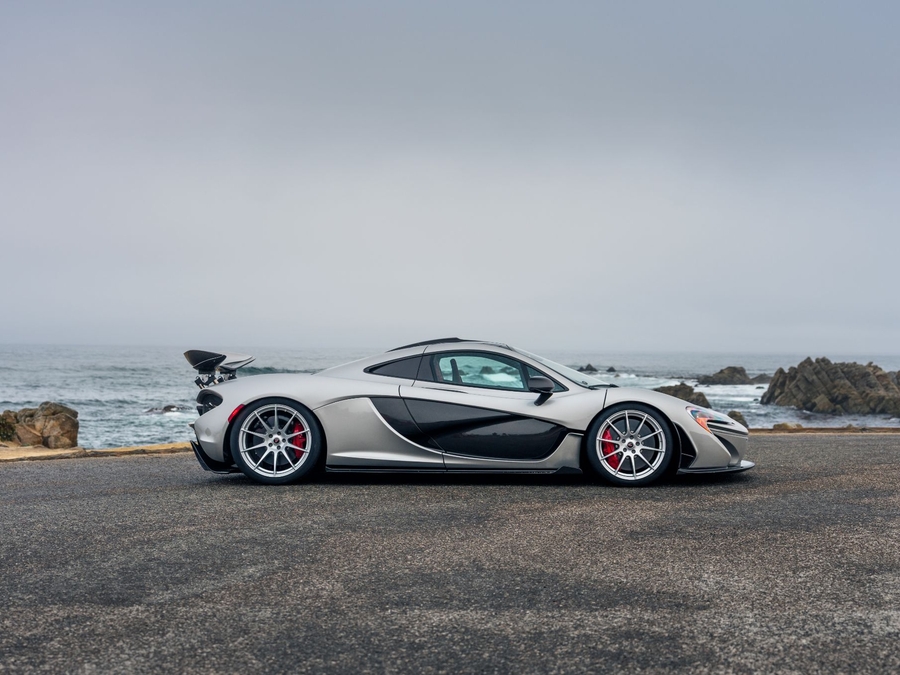
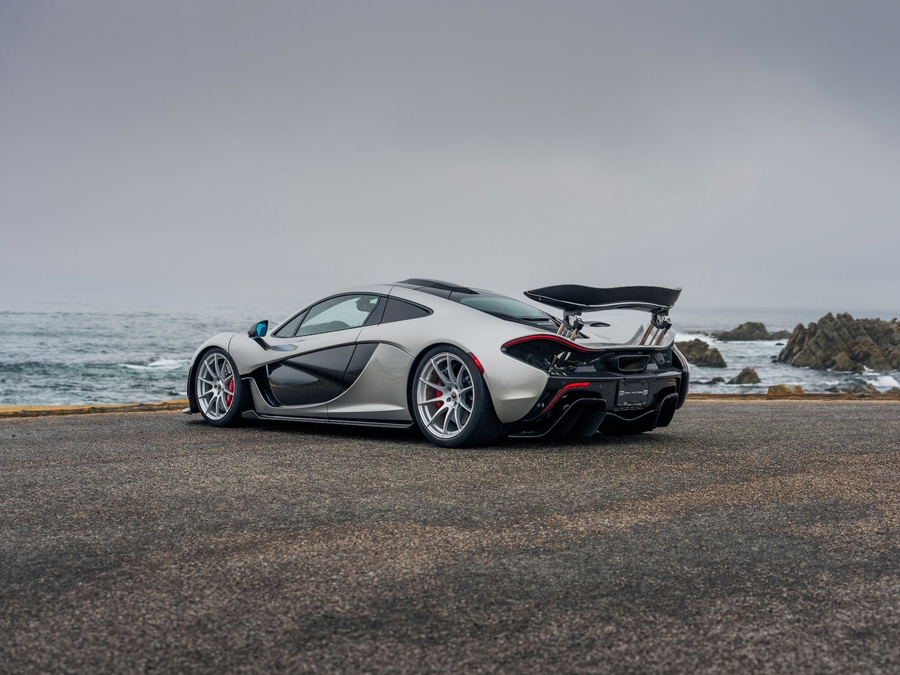
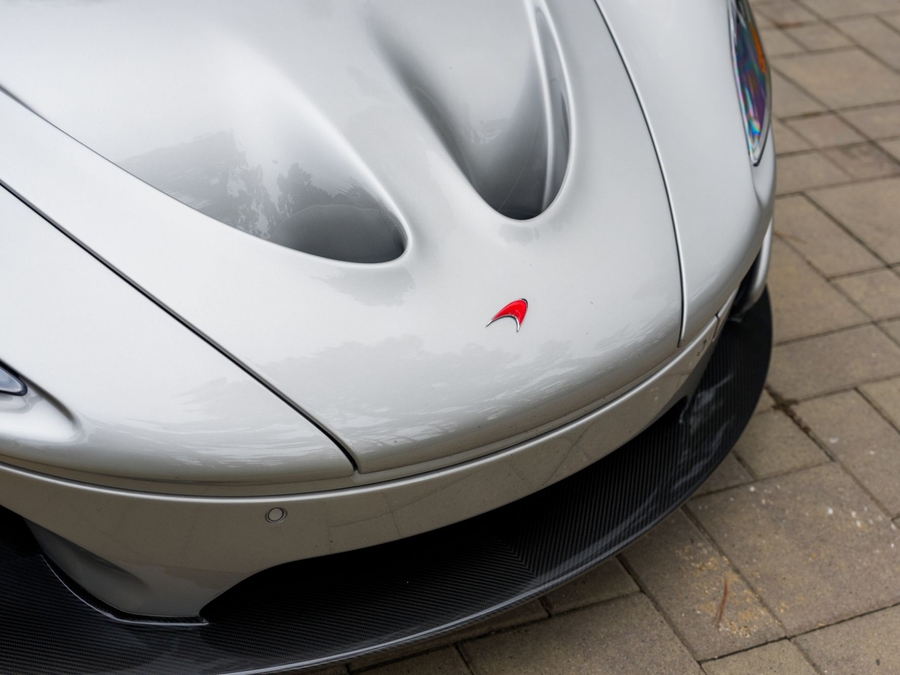
The 2015 McLaren P1 stands as one of just 375 examples produced, combining a twin-turbocharged 3.8L V8 with electric assistance in a rear-wheel-drive automatic powertrain. Finished in Togo Grey, this example presents a restrained exterior that highlights the car’s dramatic proportions and exposed aerodynamic surfaces through a body-colored front bumper divider bar and matching vent bezels, accented by titanium wheel bolts.
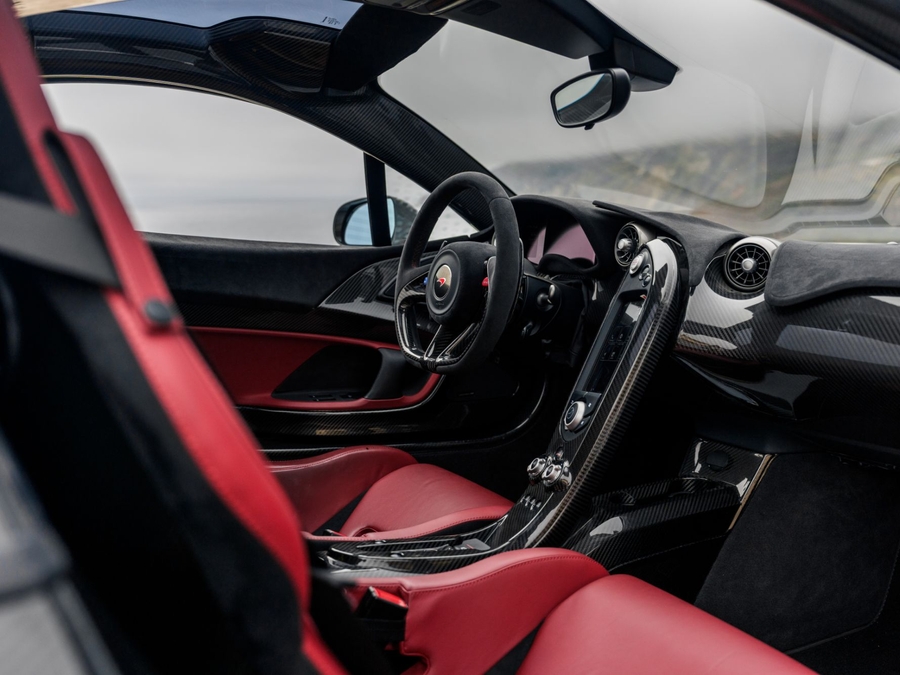
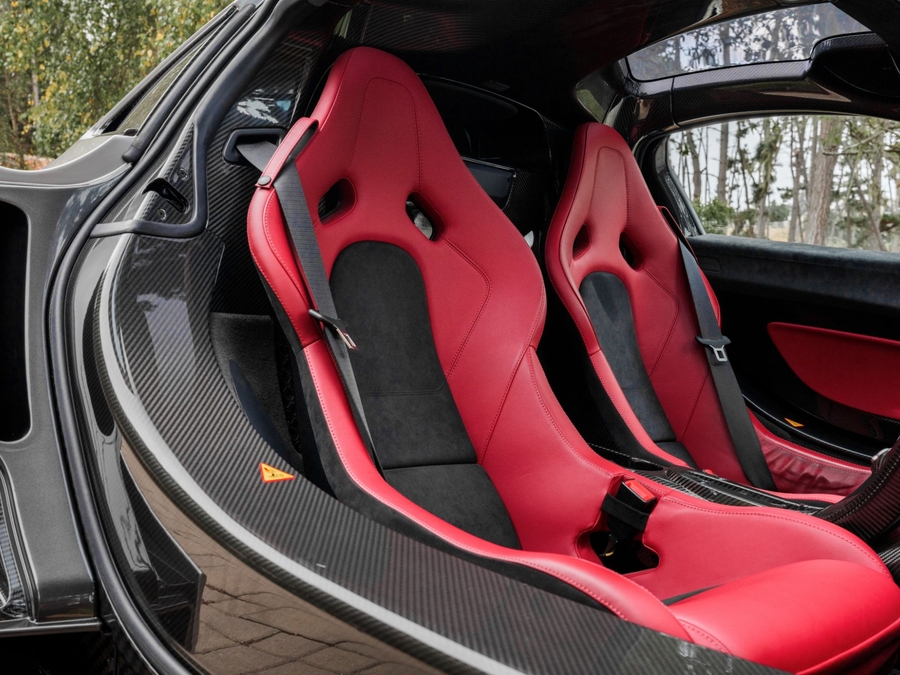
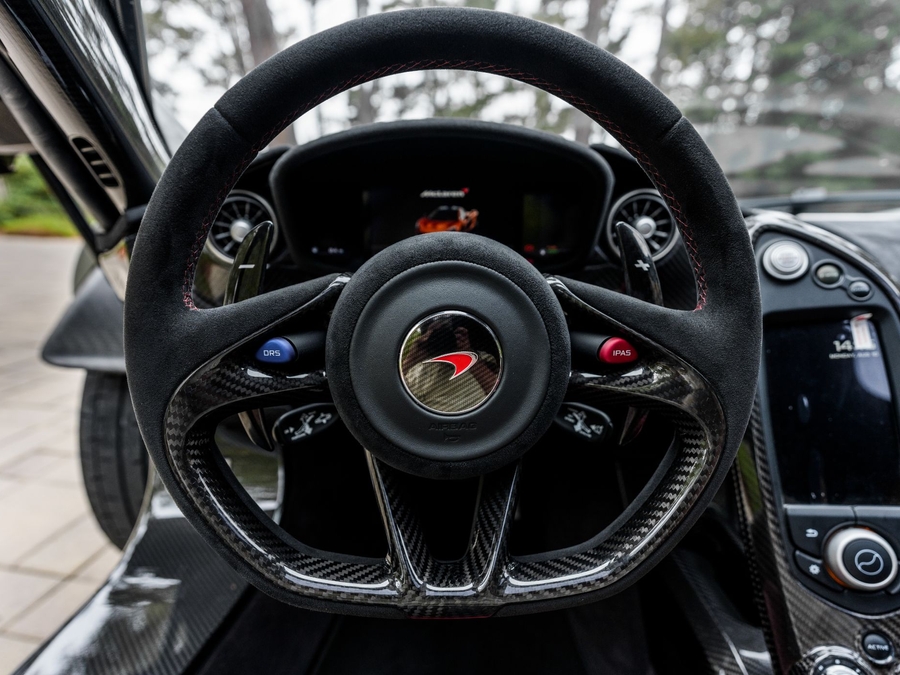
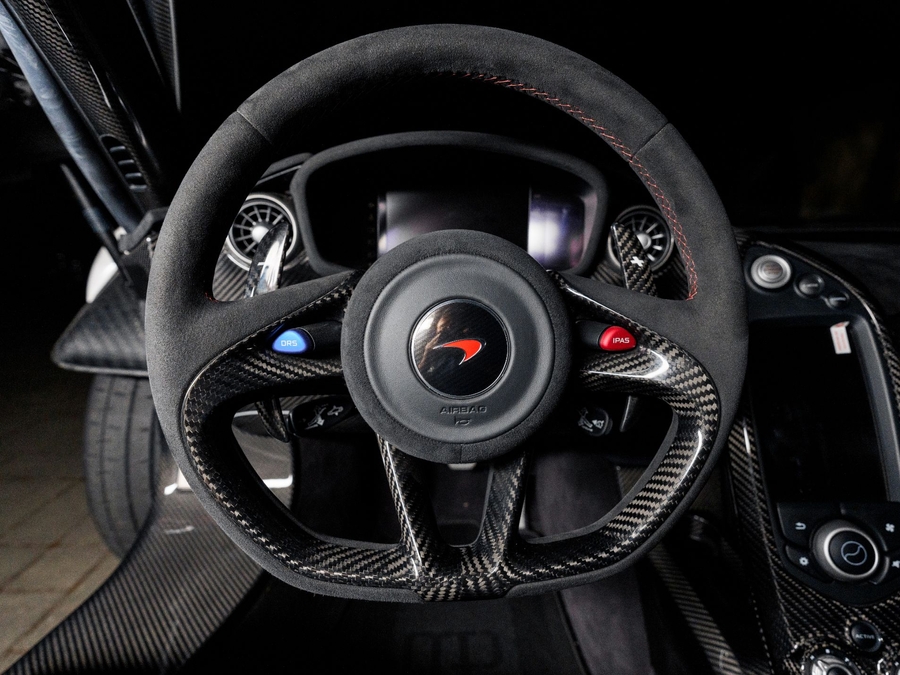
Inside, the cabin showcases an extensive application of gloss-lacquered carbon fiber across the A-pillars, bulkhead, rear pillars, cantrails, roof snorkel, door casings, fascia, seat backs, three-piece tunnel console, steering wheel, and gear paddles. This treatment emphasizes the vehicle’s carbon-fiber MonoCage chassis and competition-inspired character while pairing with active aerodynamics for both road and track capability.
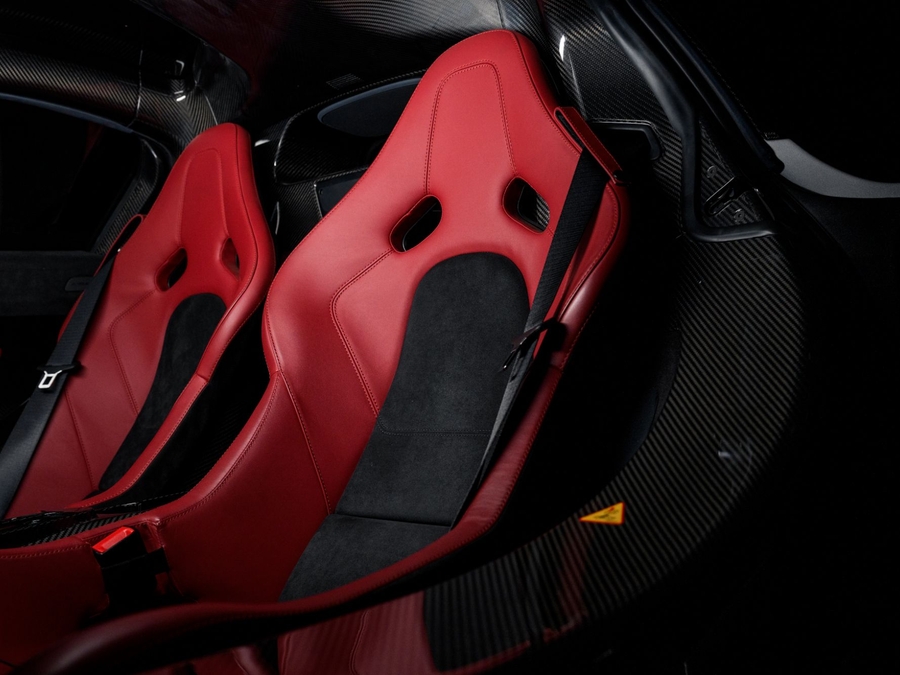
The seats deliver the primary contrast in an otherwise technical environment, trimmed in Harissa Red leather on the outer upper and lower panels plus the forward portion of the cushions, with Carbon Black Alcantara covering the backrests and rear cushion inserts. The specification avoids contrast stitching for a clean execution, resulting in a configuration that feels both elegant and purposeful after only 648 miles.
ExteriorTogo Grey (MCL359GS)
Body-colored front bumper divider bar
Body-colored vent bezels
Titanium wheel bolts
Gloss-lacquered carbon fiber A-pillars
Gloss-lacquered carbon fiber bulkhead
Gloss-lacquered carbon fiber rear pillars
Gloss-lacquered carbon fiber cantrails
Gloss-lacquered carbon fiber roof snorkel
Gloss-lacquered carbon fiber door casings
Gloss-lacquered carbon fiber fascia
Gloss-lacquered carbon fiber seat backs
Gloss-lacquered carbon fiber three-piece tunnel console
Gloss-lacquered carbon fiber steering wheel
Gloss-lacquered carbon fiber gear paddles
Harissa Red leather seat outer upper and lower panels
Harissa Red leather forward cushion portions
Carbon Black Alcantara seat backrests
Carbon Black Alcantara rear cushion inserts
No contrast stitching on seats
3.8L twin-turbocharged V8 with electric assistance
Automatic transmission
Rear-wheel drive
Active aerodynamics
Carbon-fiber MonoCage chassis
About the McLaren P1
- Production
- 2013–2015
- Cylinders
- 8
- Powertrain
- PHEV
- Body
- Coupe
The McLaren P1, introduced in 2013, is a hybrid hypercar and a flagship model in McLaren's Ultimate Series. Production ran from 2013 to 2015, with only 375 units built, making it a highly exclusive vehicle sought after by exotic car collectors. Designed as a successor to the iconic McLaren F1, the P1 was part of the "holy trinity" of hypercars alongside the Ferrari LaFerrari and Porsche 918 Spyder, marking a significant moment in automotive history for hybrid performance technology.
The P1 features a twin-turbocharged 3.8-liter V8 engine paired with an electric motor, delivering a combined output of 903 horsepower and 723 lb-ft of torque. It achieves 0-60 mph in 2.8 seconds and a top speed electronically limited to 217 mph. Its active aerodynamics, adjustable suspension, and carbon-fiber monocoque chassis highlight its track-focused engineering. Rarity drives its value, with auction prices often exceeding $2 million as of recent years, reflecting strong appreciation. Additionally, 58 units of the track-only P1 GTR were produced, further enhancing the model's allure for collectors seeking unique variants.
From the Journal
 Oct 21, 2026
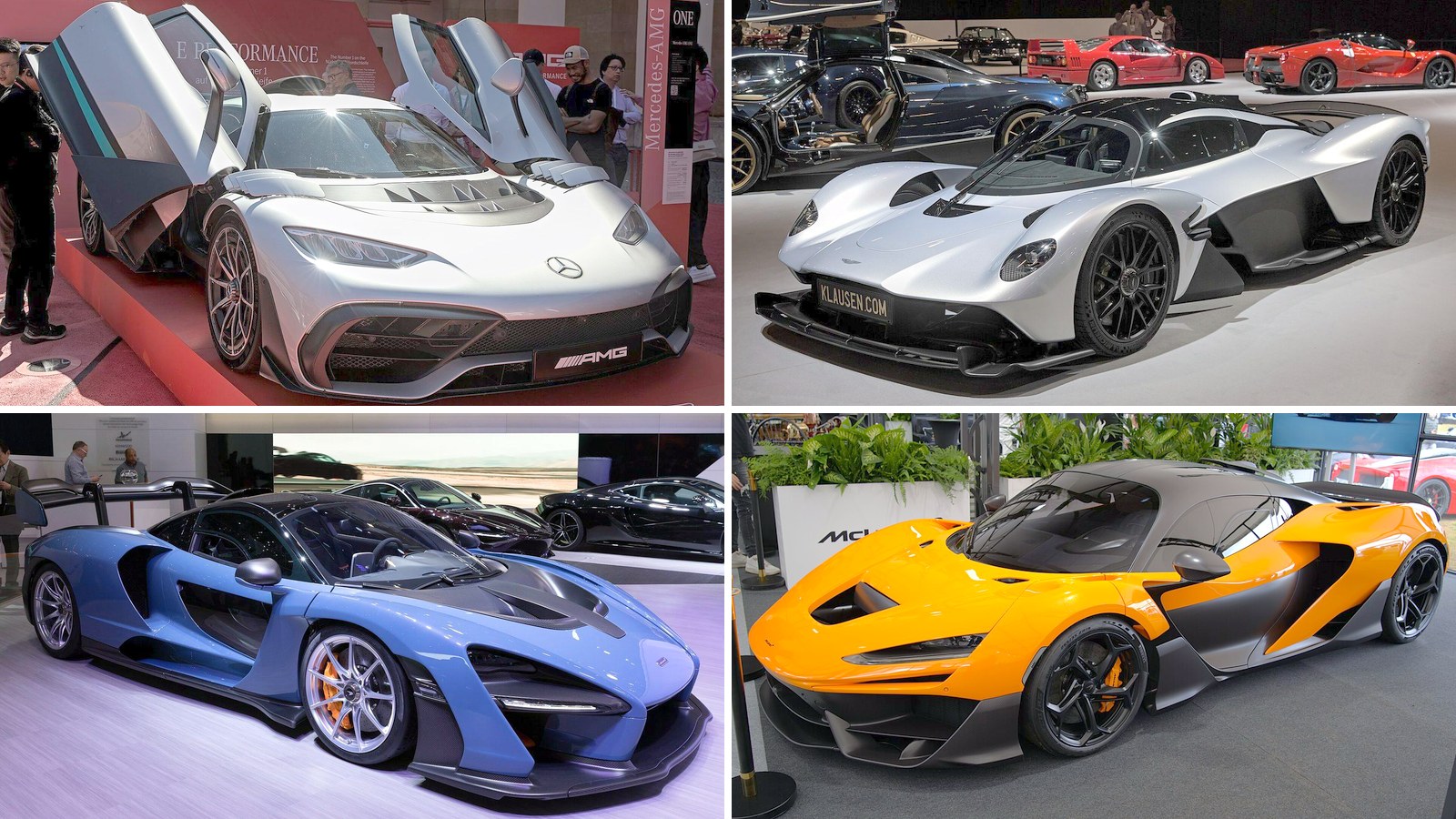
F1 DNA at Auction: How the AMG ONE, Valkyrie, Senna and W1 Are Trading in 2026
Market data on F1-linked road hypercars ahead of the US Grand Prix in Austin: production, original pricing and 2024-2026 public auction...
 Oct 27, 2026
What Happens in Vegas Gets Tuned: How Supercar Turbo Tunes Work (and Why Some Go Bang)
What a turbo tune really does to a supercar, from boost, fuel, ignition timing, knock and heat to how ECU stages work, plus an honest look...