 exoticsgroup.com
First-Time Supercar Buyer, Part 6: Model Spotlight: Gallardo vs F430 Ownership

First-Time Supercar Buyer, Part 6
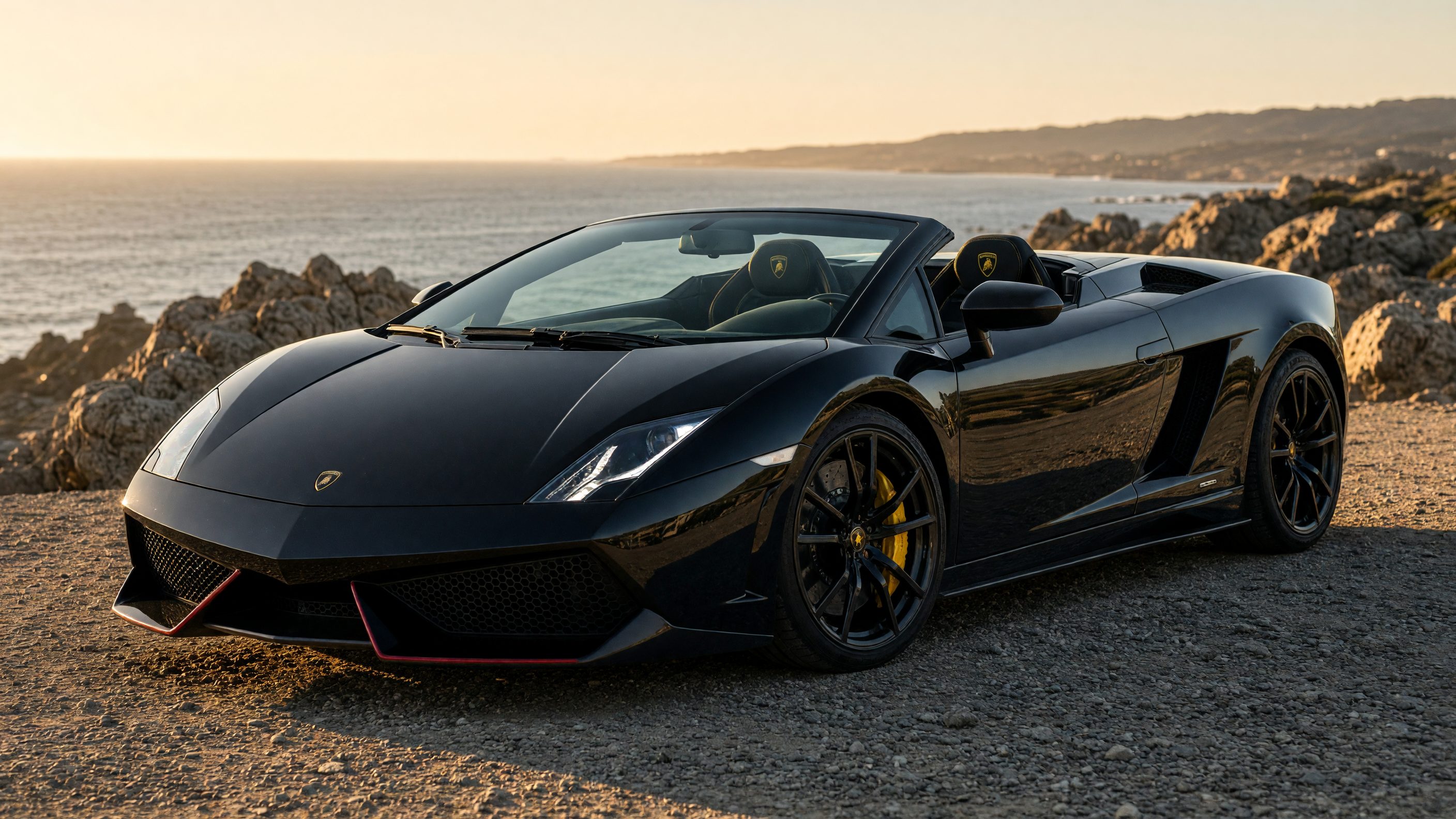
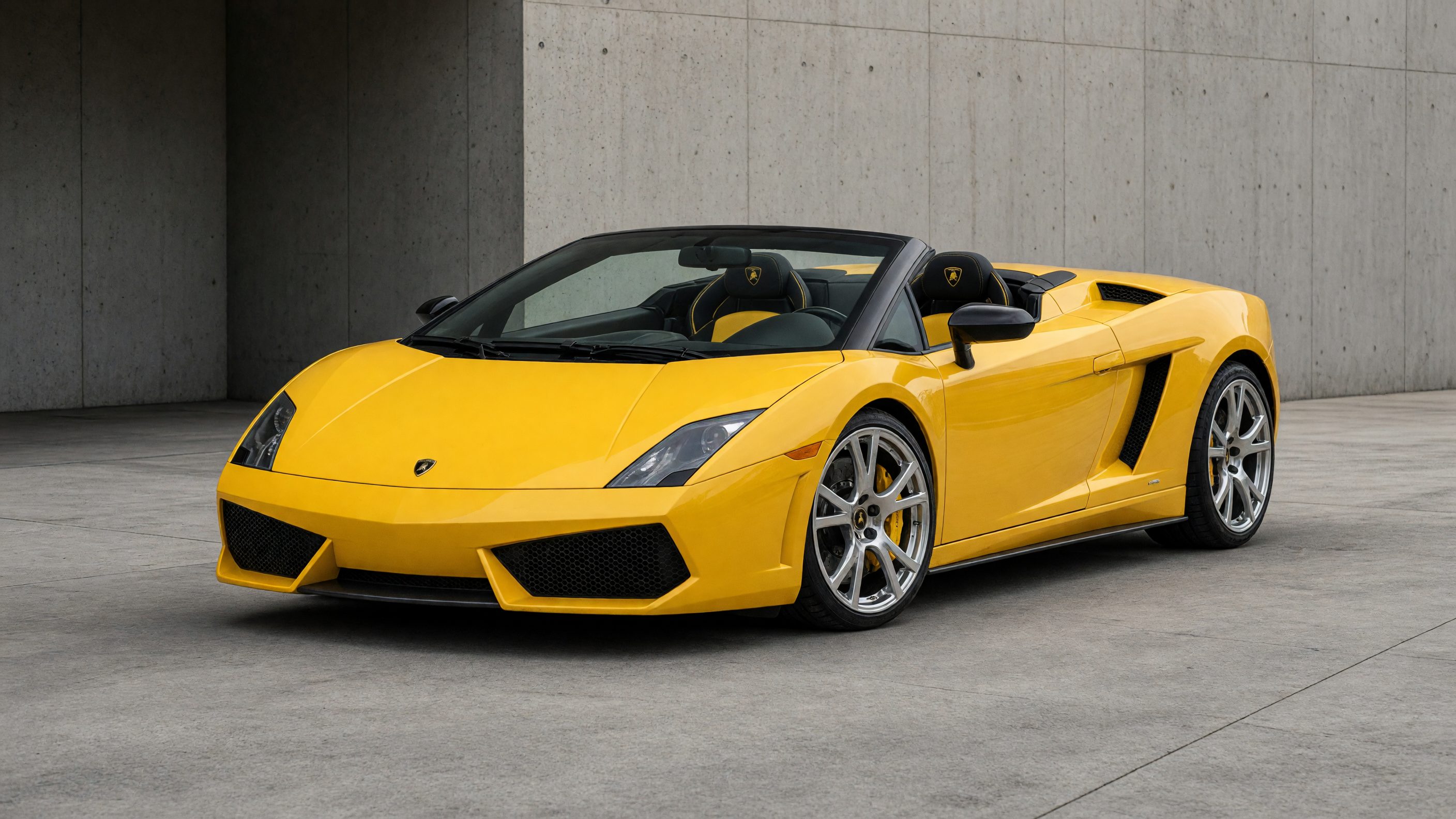
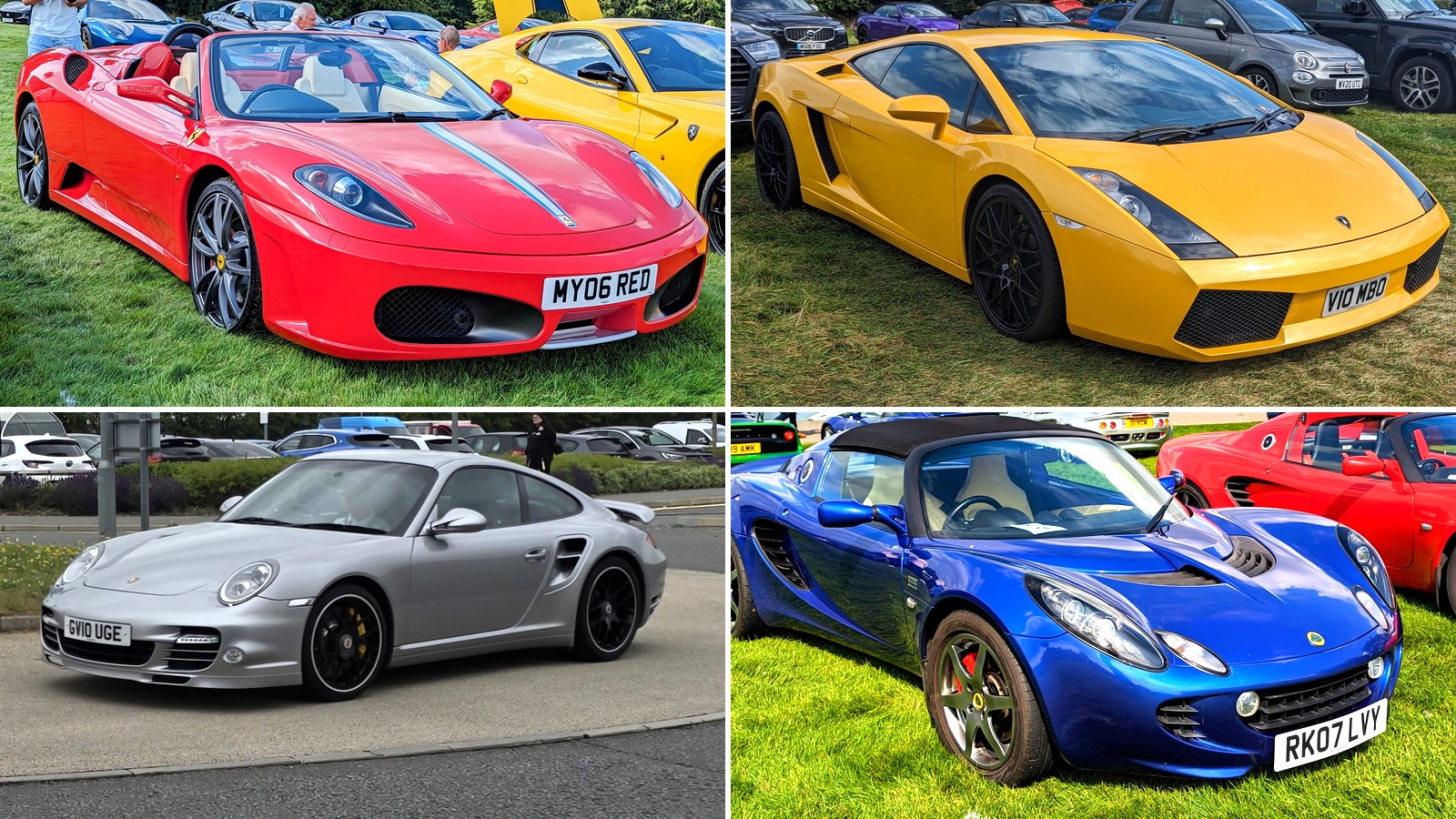
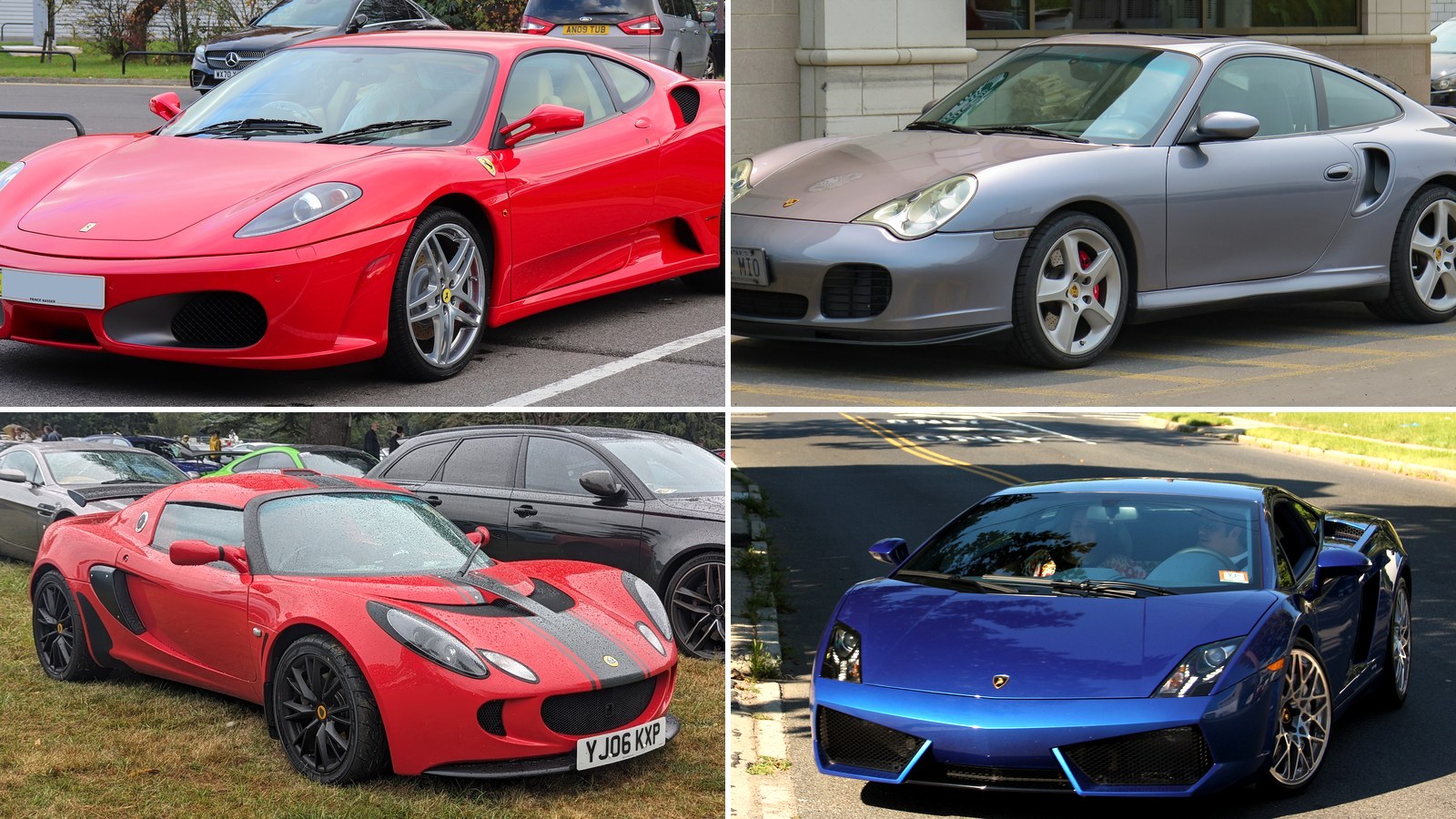
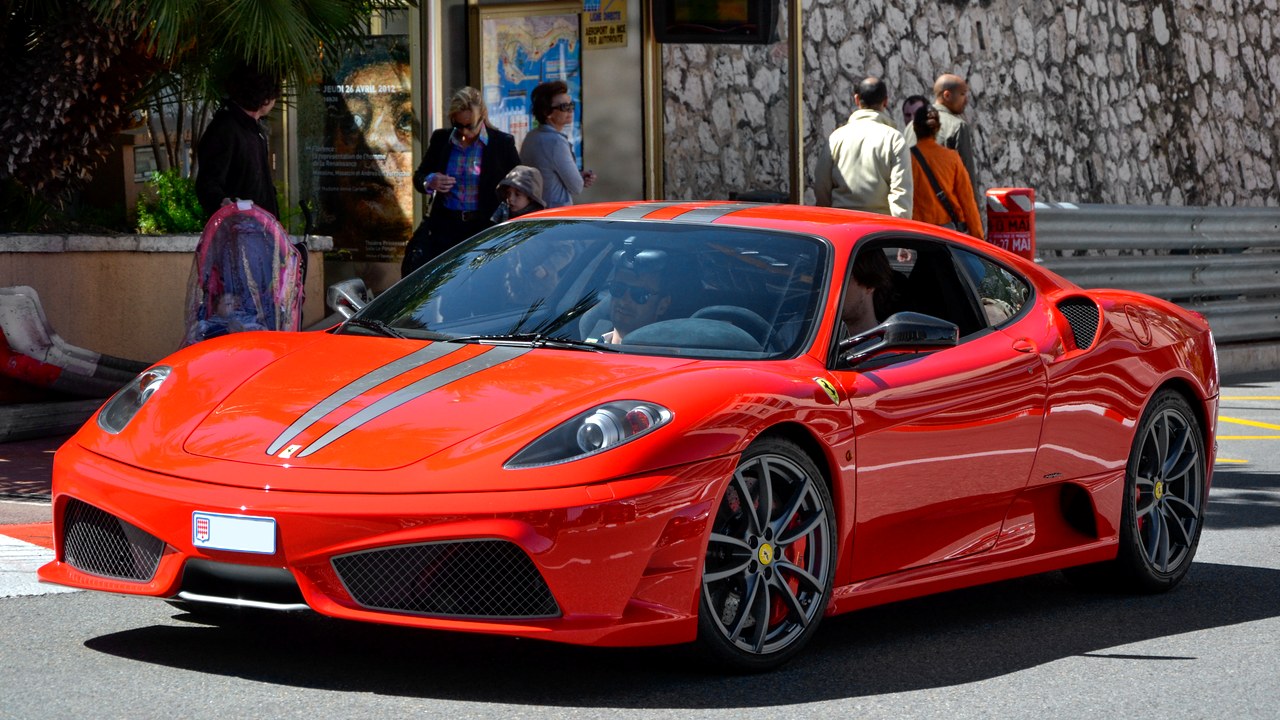
Two keys sit on the table. One carries a raging bull, the other a prancing horse. Both cars arrived within a couple of years of each other, both put a high-revving engine just behind your shoulders, and both now trade in a bracket that makes a first exotic feel possible. Pick up either key and you are choosing more than a badge. You are choosing a gearbox, a list of weak spots, a sound, a community and, in my view, a slightly different version of your Sunday morning.
This is the model spotlight the series has been building toward. Sophia Chen's Part 1: The Market Landscape mapped what attainable exotics sell for, and Alex Rivera's Part 2: Technical Realities and Reliability opened the service folder. My Part 3: The Ownership Experience looked at the life around the keys. Sophia's Part 4: The True Cost of Ownership did the tax, insurance and storage math, and Alex's Part 5: Buying Process and Pitfalls walked through inspections, paperwork and transport. Now two of the most popular first-exotic candidates go side by side: the Lamborghini Gallardo and the Ferrari F430.
Two answers to the same question
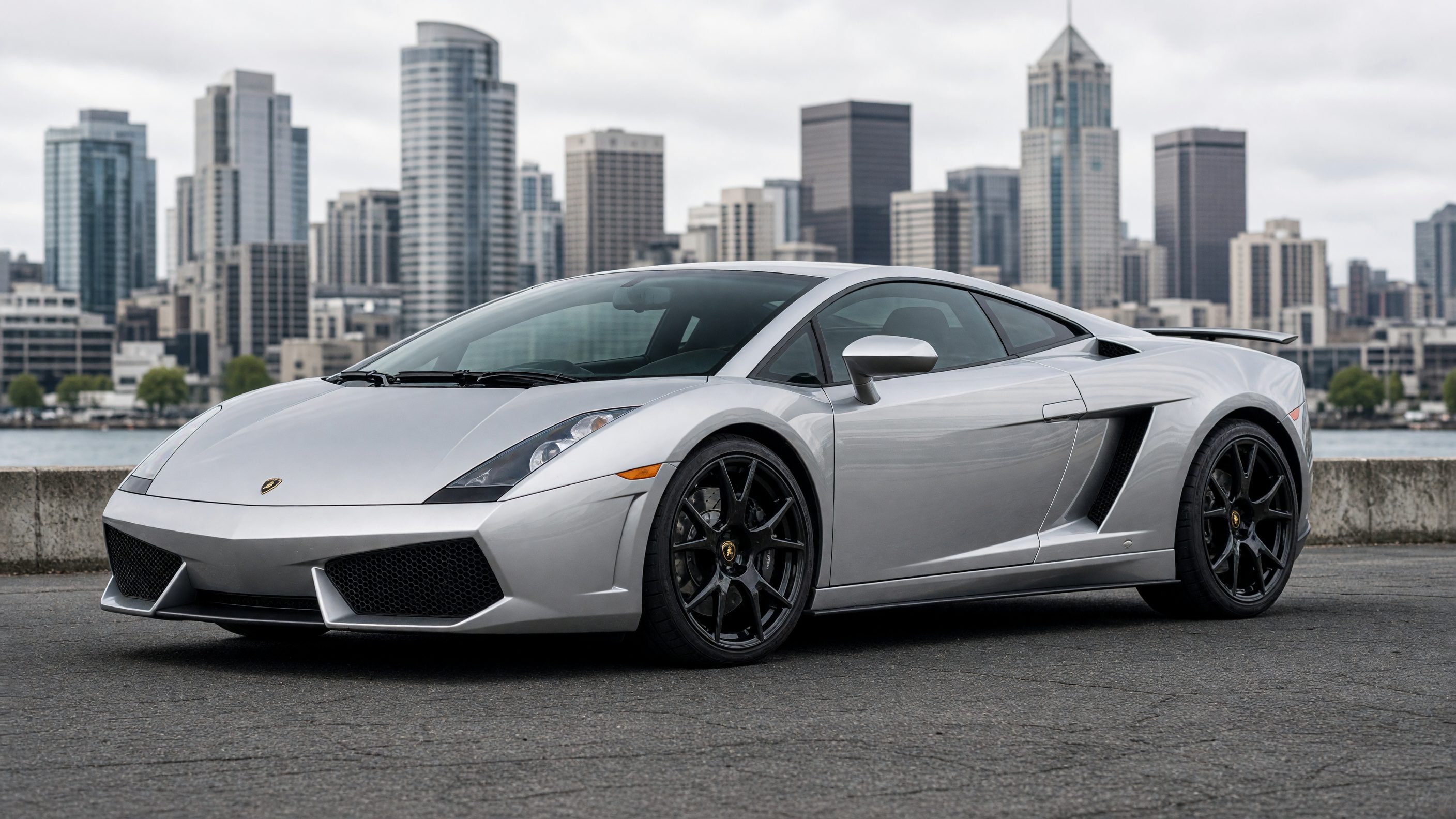
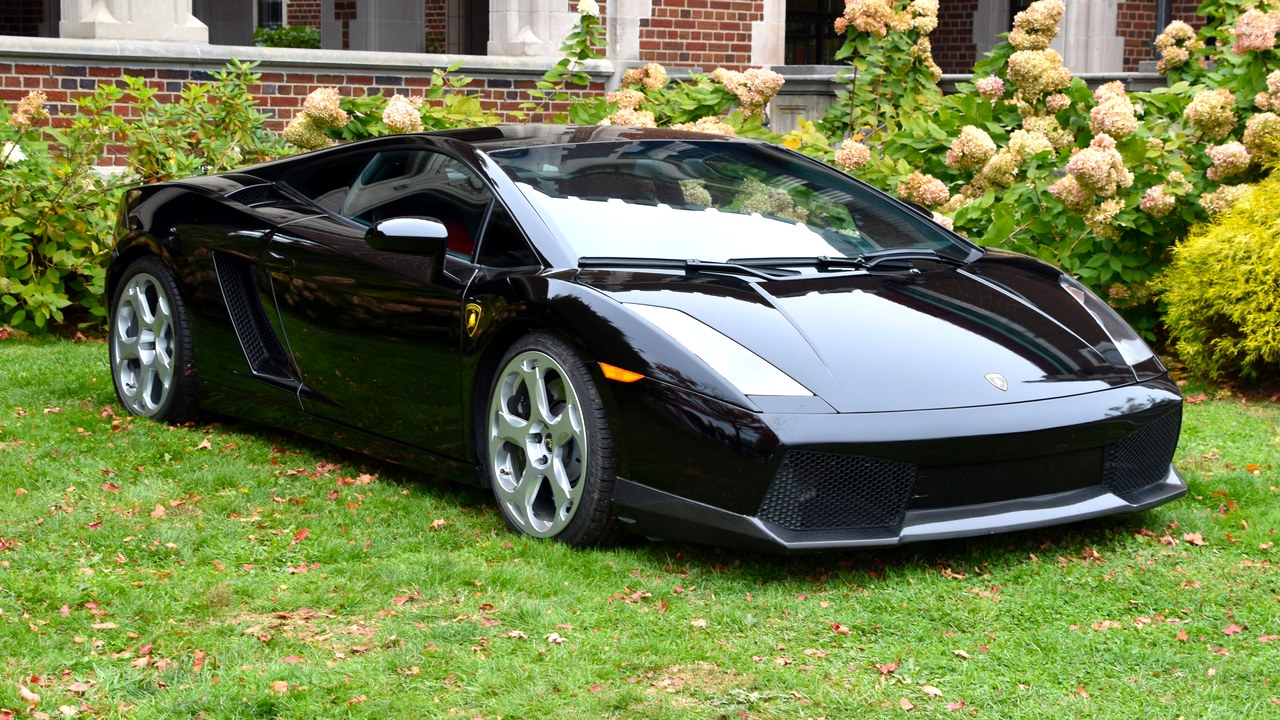
When Car and Driver first drove the Gallardo, it called the car "the sports car Ferrari most fears." The magazine reported 493 horsepower from a 5.0-liter V10 and an estimated base price of $160,000, "just small change more than the 360 Modena." Lamborghini said it would build just 1,300 a year and pitched the Gallardo as an everyday supercar, to be compared with a Porsche 911 Turbo as much as with a Ferrari.
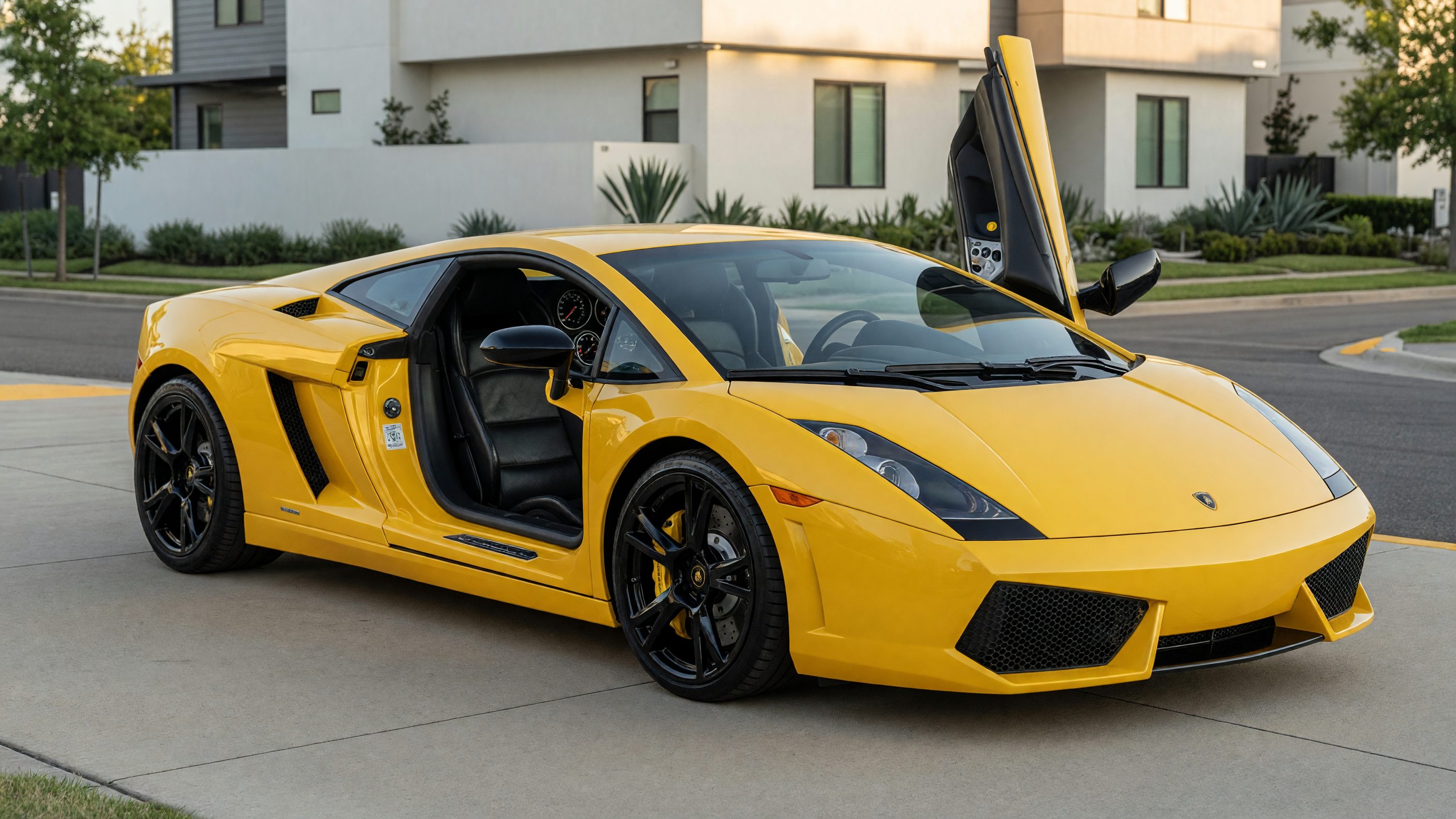
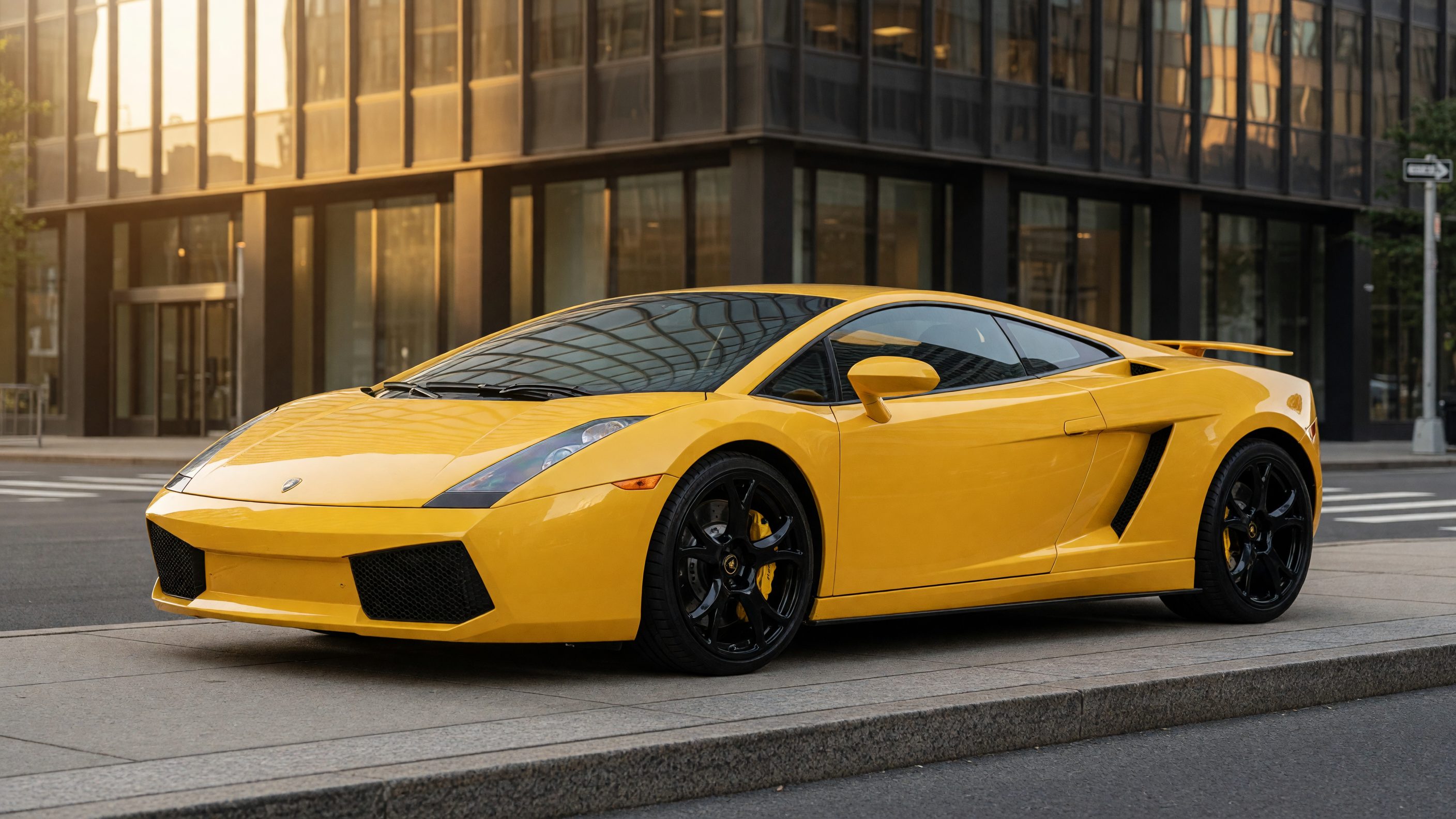
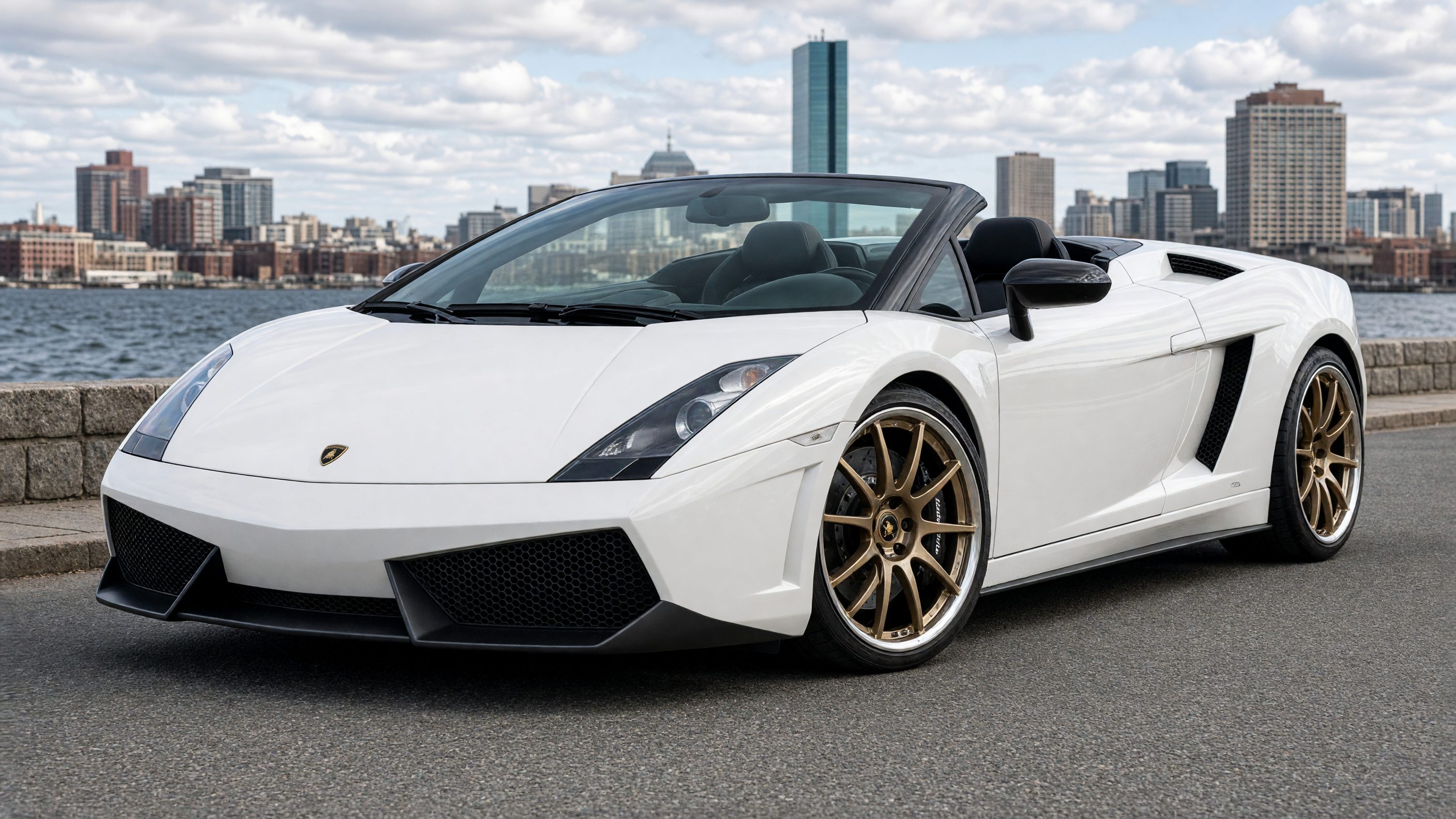
The plan worked. Hagerty's Gallardo buyer's guide counts 14,022 cars built by the end of production in 2013, enough that the model accounted for half of all Lamborghinis built since 1963. The range moved quickly. A 520-horsepower SE arrived in 2006, and that engine went into the new Spyder. The Superleggera dropped 220 pounds and made 530 horsepower. For 2009, the V10 grew to 5.2 liters and 552 horsepower in the LP560-4, which Sports Car Market calls the most important Gallardo redesign, with a direct-injected engine. Then came the rear-drive LP550-2 Valentino Balboni, limited to 250 cars, and according to Magneto, offered only with a manual gearbox.
Ferrari's answer was the F430, which Hagerty dates to 2005–09. Its new 4.3-liter V8 lifted power from the 360 Modena's 395 horsepower to 483. It also brought Ferrari's first electronically controlled differential and the first manettino, the steering-wheel dial that changes the car's settings. Hagerty adds that it was the final mid-engined Ferrari offered with a manual gearbox. The Spider followed, and Car and Driver noted that one button lowers its roof in 20 seconds. In 2007 the 430 Scuderia arrived with 503 horsepower, 220 pounds less weight and only the F1 gearbox, at $277,456, according to notes in a Hagerty valuation report.
New, the two were close. That Hagerty report lists a 2005 F430 base price of $163,845, rising to $174,585 with the F1 transmission. Car and Driver's Gallardo road test quoted a $167,200 base price and noted that the manual cost $10,000 less than its e-gear test car.
The gearbox decides almost everything
If you remember one thing from this article, make it this: on both cars, the transmission shapes the driving, the maintenance and the value.
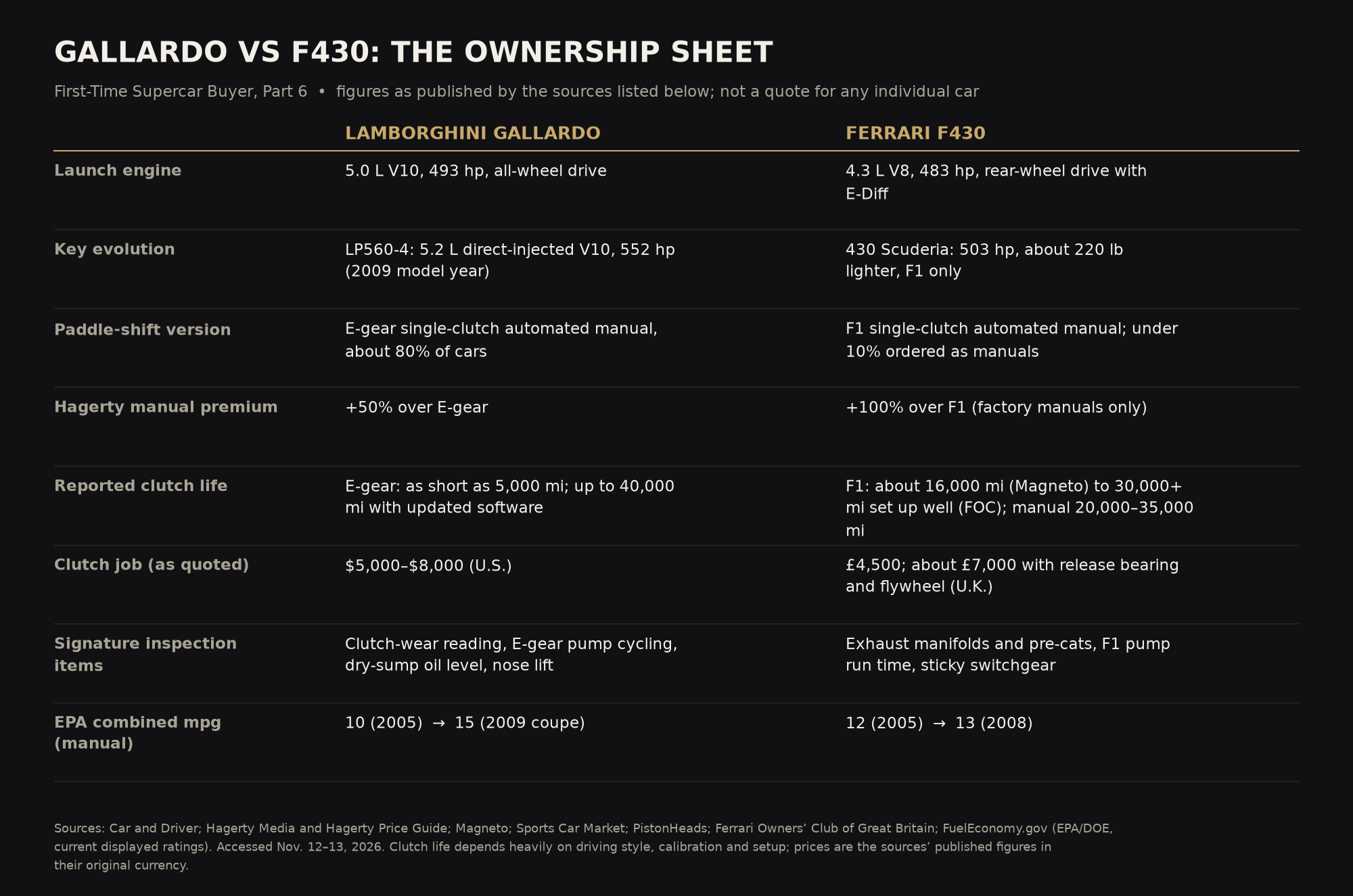
Each was offered with a six-speed gated manual or a paddle-shifted automated manual. Lamborghini called its paddle system e-gear, and Magneto says around 80 percent of Gallardos had it. Ferrari called its version F1, and Hagerty says fewer than 10 percent of F430s were ordered as manuals. Neither paddle system is a dual-clutch gearbox. Sports Car Market explains that e-gear works a conventional manual gearbox and single clutch through electro-hydraulic actuators, so every shift interrupts power. The Ferrari Owners' Club of Great Britain buying guide describes the F1 box the same way: a hydraulically actuated manual transmission powered by a pump.
You can feel that on the road. In its period test, Car and Driver found the Gallardo's full-automatic mode "always one step behind" and said smooth, jerk-free shifts came only when the driver took control of the paddles. Creeping up to a parking curb was "white-knuckle stuff," and once the computer refused to select a gear until the key was cycled. Hagerty's more recent advice is reassuring: lift slightly off the throttle as you pull the upshift paddle, and the jerkiness goes away. Hagerty also says the F430's F1 gearbox, while still a robotic manual, "had come a long way" since the F355 and 360. In its most aggressive setting, Car and Driver reported F430 Spider shifts in as little as 0.15 second.
The market has picked a side. The Hagerty Price Guide adds 50 percent for a manual Gallardo, a premium also noted in Hagerty's stick-shift premium roundup, and 100 percent for a manual F430. Its F430 example is stark: an Excellent-condition 2007 car at $302,000 with the manual versus $146,000 with F1. That gap has encouraged conversions. Hagerty studied ten converted cars sold at auction over a year, mostly F430s, and found they averaged 9.4 percent below comparable F1 values rather than earning the factory-manual premium. Sports Car Market says the same about Gallardos: a well-executed conversion can be an excellent driver's car, but it is not equivalent to a factory manual. Confirm a manual with the build documentation, not by spotting a metal gate.
There is a counterpoint worth hearing. In the Ferrari Owners' Club guide, one British specialist warns against overpaying for a manual F430, noting that some manual cars sit advertised for more than a year. He suggests that where an F1 car is priced at £70,000, an otherwise identical manual might fetch a £25,000–£30,000 premium.
My take, labeled as opinion: if you love the ritual of the gate, buy a documented factory manual and treat the premium as the price of admission. If you want the most car for the money, a well-sorted paddle car with healthy clutch data is the smarter first exotic.
What goes wrong, and what to check
Neither car deserves the old horror stories about Italian exotics, but each has a well-documented list.
The Gallardo. Hagerty calls the V10 durable but warns that the dry-sump oil level must be checked correctly, because overfilling can damage the engine. Some pre-2005 cars suffered connecting-rod bearing failures, and Magneto adds that the earliest 5.0-liter engines had oil-pump issues, so check oil pressures and run a compression test if anything seems off. Magneto reports no recurring issues with the later 5.2-liter engines.
The clutch is the headline. Sports Car Market says early e-gear cars, before 2009, frequently suffer rapid clutch wear, hydraulic-pump fatigue and actuator seal failures, and that the pump should run briefly and predictably when the system wakes up. Magneto says clutch life can be as short as 5,000 miles depending on the driver, and the flywheel is generally replaced at the same time. Hagerty puts the bill at $5,000 to $8,000 and says updated software can stretch clutch life to as much as 40,000 miles. On manual cars, Hagerty notes that higher-mileage examples can have stretched shift cables, which are easily sorted. Check the optional nose lift too, because Magneto says it can fail if it goes unused.
Owners echo the point about mileage. In a 6SpeedOnline thread on Gallardo clutch life, one contributor wrote that e-gear clutches "usually" went between 6,000 and 9,000 miles, with odd cases near 15,000 that were probably highway miles. Another, describing the diagnostic wear reading, reported seeing a 24,000-mile car with more clutch remaining than a 10,000-mile car. The number on the odometer tells you very little.
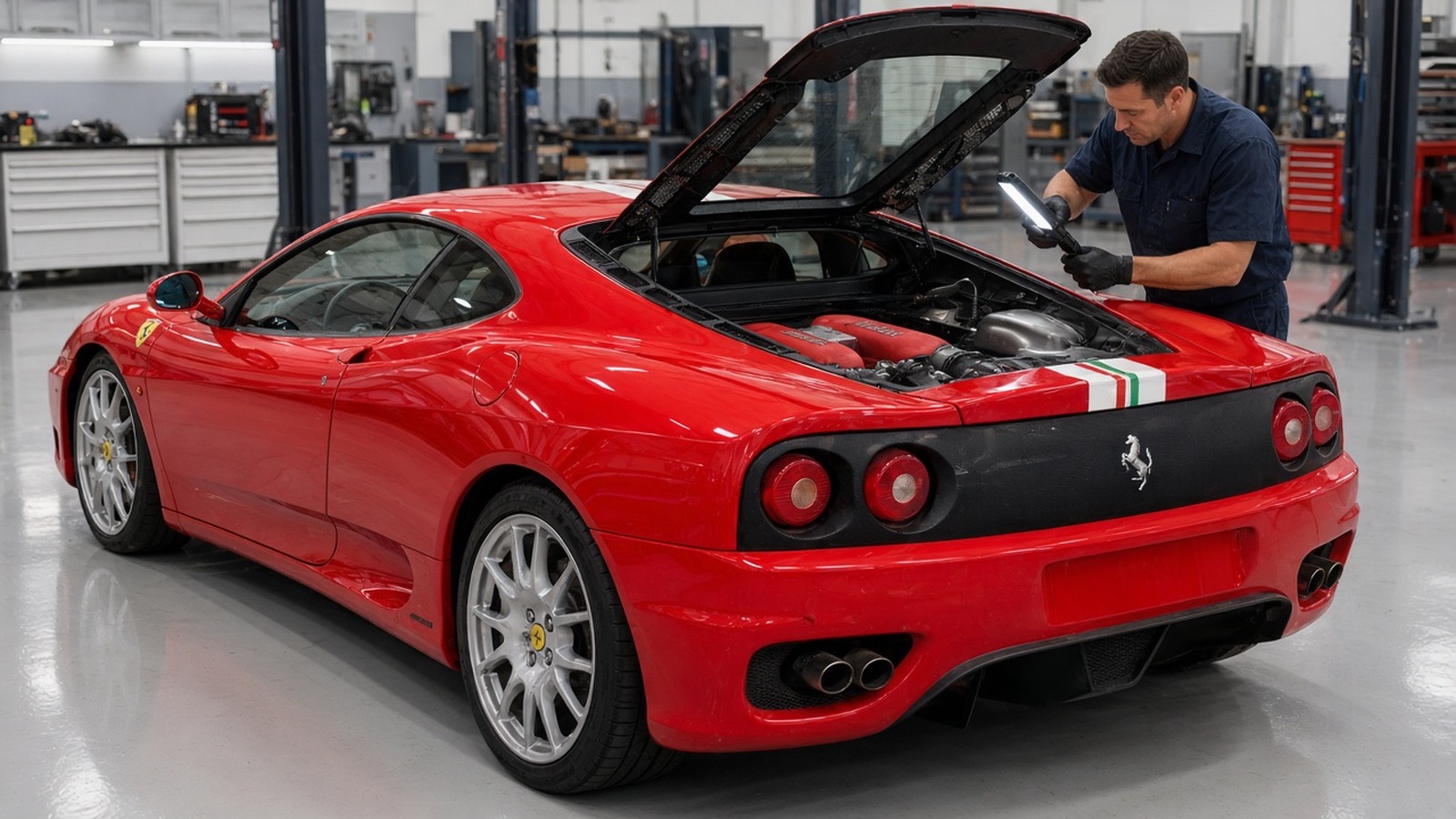
The F430. Every buying guide I read leads with exhaust manifolds. PistonHeads says cracked manifolds afflict most cars at some point, especially earlier ones, and that in the worst cases the pre-catalyst disintegrates and is drawn into the engine. The Ferrari Owners' Club suggests listening for a ticking noise on a cold start that fades as the engine warms, and it puts replacement at £1,700 for a used set or £7,000 new. Many earlier cars received the updated manifold design under warranty.
For F1 cars, the club says the pump should run for four or five seconds when you open the driver's door. Any longer may mean a tired pump or a relay. PistonHeads recommends an F1 fluid change every three years and puts a failed actuator at £6,000. The club also stresses regular oil changes to keep the titanium connecting rods from corroding. Inside, Magneto's F430 guide and the club both flag sticky switchgear, where the soft-touch coating turns tacky.
Owner records add perspective. In a FerrariChat thread on long-term repair costs, a prospective buyer posting as bigmacsmallfries described an eight-year-old F430 averaging about 1,600 miles a year whose Ferrari records showed $3,000 to $3,500 a year in repairs, excluding scheduled maintenance. An owner posting as Ferrari Nube replied that in one year he had spent $5,000 on the F1 auto and reverse button panel and about $10,000 on aftermarket headers, mounting brackets and exhaust. He fitted them because he felt uncomfortable keeping the original manifolds.
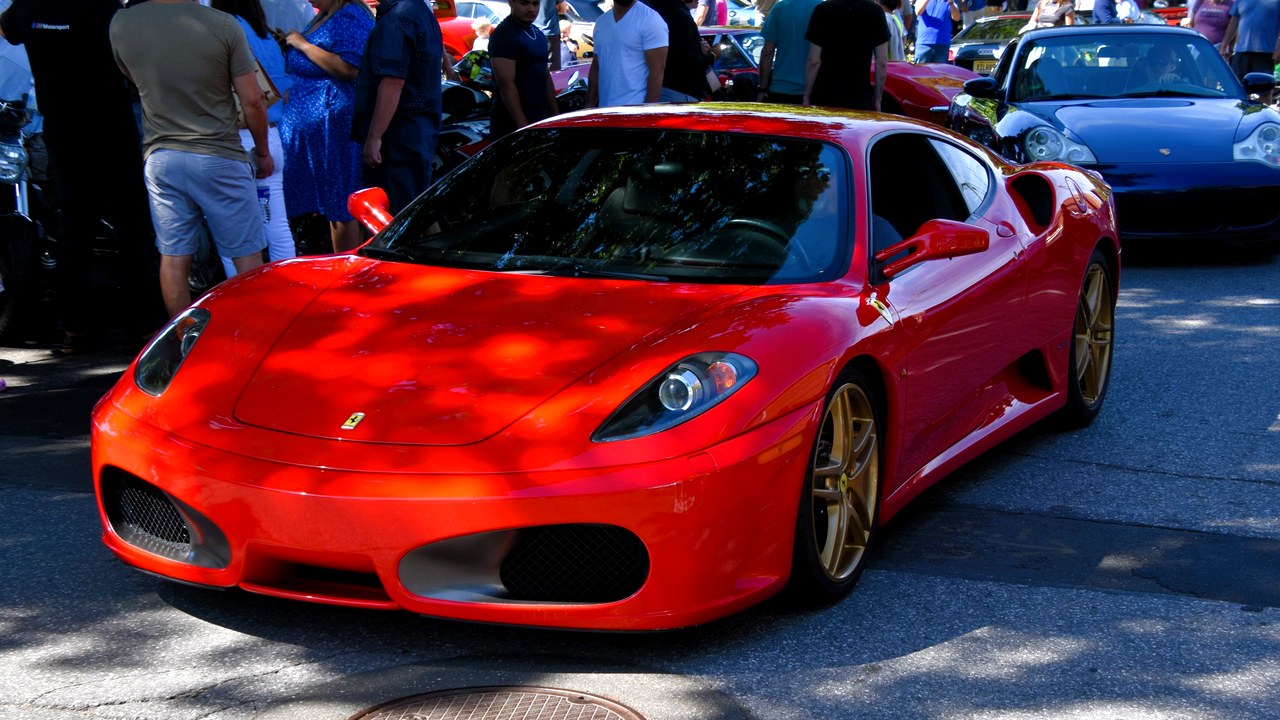
Exotics Group listings show what good paperwork can look like. This 2008 F430 coupe with the F1 gearbox is described as having had its exhaust manifolds replaced with genuine factory components and an F1 clutch with about 90 percent of its life remaining. Those are claims to verify with your own inspection, as Alex explains in Part 5, but they are exactly the right questions to ask.
Running costs, in round numbers
Sophia's Part 4 covers the full math, so I will stick to the differences.
The Ferrari Owners' Club says every F430 should be serviced annually or every 12,500 miles, alternating minor and major services. In the U.K., it quotes about £800 and £1,200 at one independent specialist, against roughly £1,000 to £1,500 for a minor service and about £1,800 for a major at a typical official dealer. One specialist suggests a sensible annual budget of £2,500 to £3,500 for routine servicing, plus a contingency fund of a few thousand pounds. Hagerty's valuation notes add that the F430 switched to chain-driven camshafts, eliminating the periodic timing-belt service.
For the Gallardo, the big planned expense is the clutch. On insurance, Part 4 found MoneyGeek averages of $271 a month for the F430 and $308 for the Gallardo for its sample driver, with model year moving those numbers in both directions.
Fuel is a minor line item, but it tells a story. On FuelEconomy.gov, a 2005 Gallardo with the manual is rated at 10 mpg combined, while a 2009 Gallardo coupe with the manual is rated at 15. The manual F430 is rated at 12 combined for 2005 and 13 for 2008. On paper, the direct-injected LP560-4 is the efficient choice of the four.
How they feel from the driver's seat
Specs get you to the showroom. Character is what makes you keep the car.
Car and Driver's F430 road test recorded 0–60 mph in 3.5 seconds and a quarter-mile in 11.7 seconds at 123 mph. It noted that the crankshaft spins just 10 inches above the pavement and described a car that "tangos to command." Looking back, Hagerty says the F430 was not only quicker than the 360 but much easier to drive, with more mid-range torque, adaptive damping and genuinely excellent ride quality.
The Gallardo's appeal is different. Car and Driver reported 80 percent of the V10's torque available from 1,500 rpm and a viscous center coupling that normally splits power 30/70 front to rear. Its road test measured 0–60 mph in 4.1 seconds and one full g on the skidpad, and it said the car didn't feel ponderous despite its weight. It also complained about thinly padded seats after an hour and a long nose that scraped shallow driveway ramps. Hagerty says the manual's clutch is light and precise, making the car "every bit as simple to drive in traffic as a 911 Turbo." Magneto adds that the Audi-sourced switchgear is hard-wearing and the air conditioning blows cold.
In my view, the F430 is the scalpel and the Gallardo is the all-weather hammer. Drive both on the same day, on the same roads, before you decide.
The market today
Hagerty's Gallardo guide, published in April 2026, puts good (#3) early coupes around $93,000, 2006-on coupes closer to $110,000-plus, and post-2008 facelifted cars around $130,000 for good examples and $175,000 for excellent ones. Superleggeras run $140,000 to $225,000. Those are e-gear figures; add about 50 percent for a manual. Hagerty's 2025 Bull Market list valued the six-speed Gallardo at $157,700 and noted that Gallardo prices had risen 7 percent since 2019 while trailing other Lamborghinis. Hagerty has also reported that Gen X and millennial buyers make up a disproportionately high share of the Gallardo market.
For the F430, the Hagerty valuation report for a 2006 F430 Spider, dated November 2024, lists $173,000 in excellent condition and $146,000 in good condition before its +100 percent manual adjustment. Sophia's Part 4 tracked Exotics Group's own medians and found the F430 rising since 2022 while the Gallardo slipped, with a thin sample on the Gallardo side.
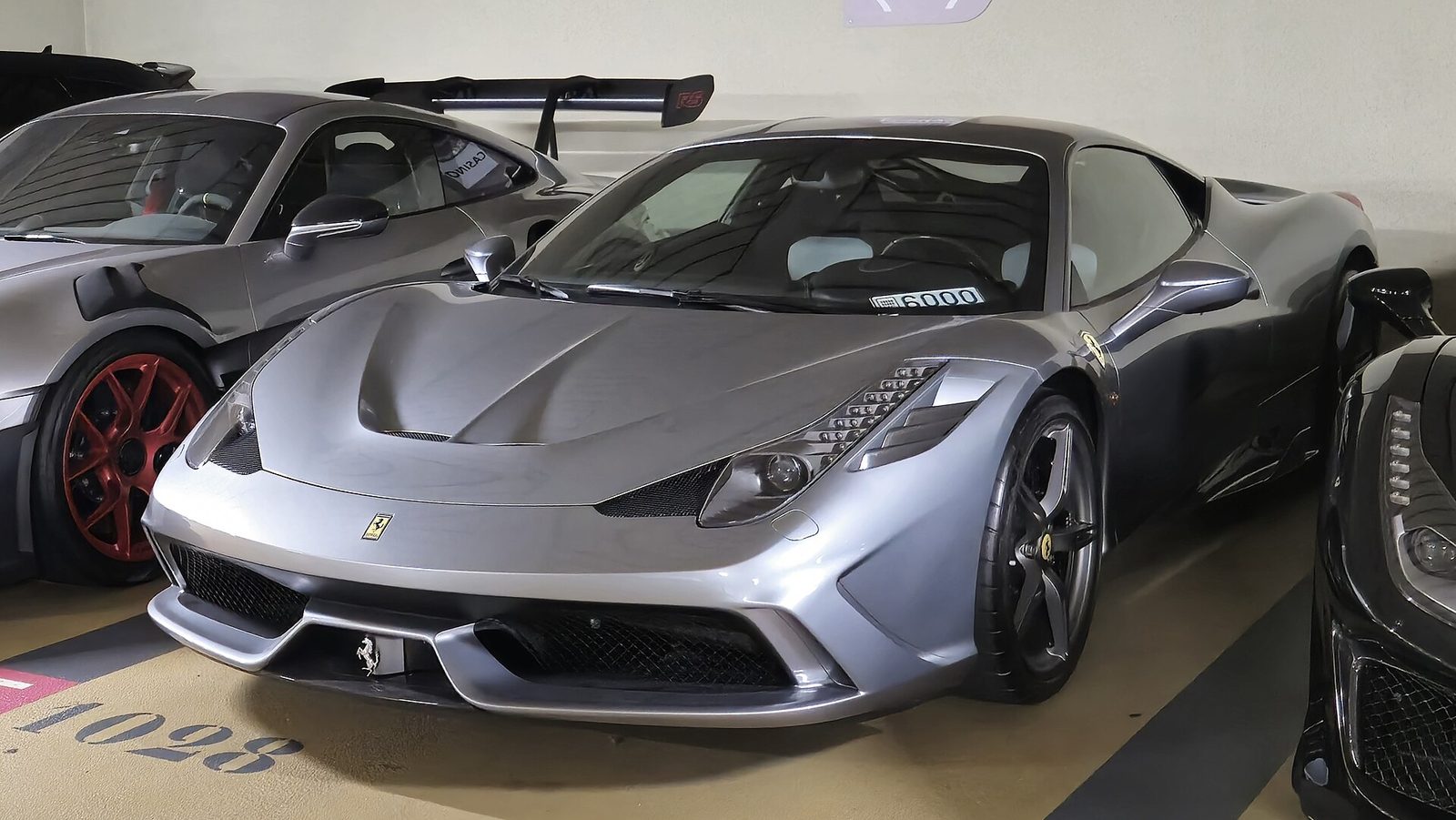
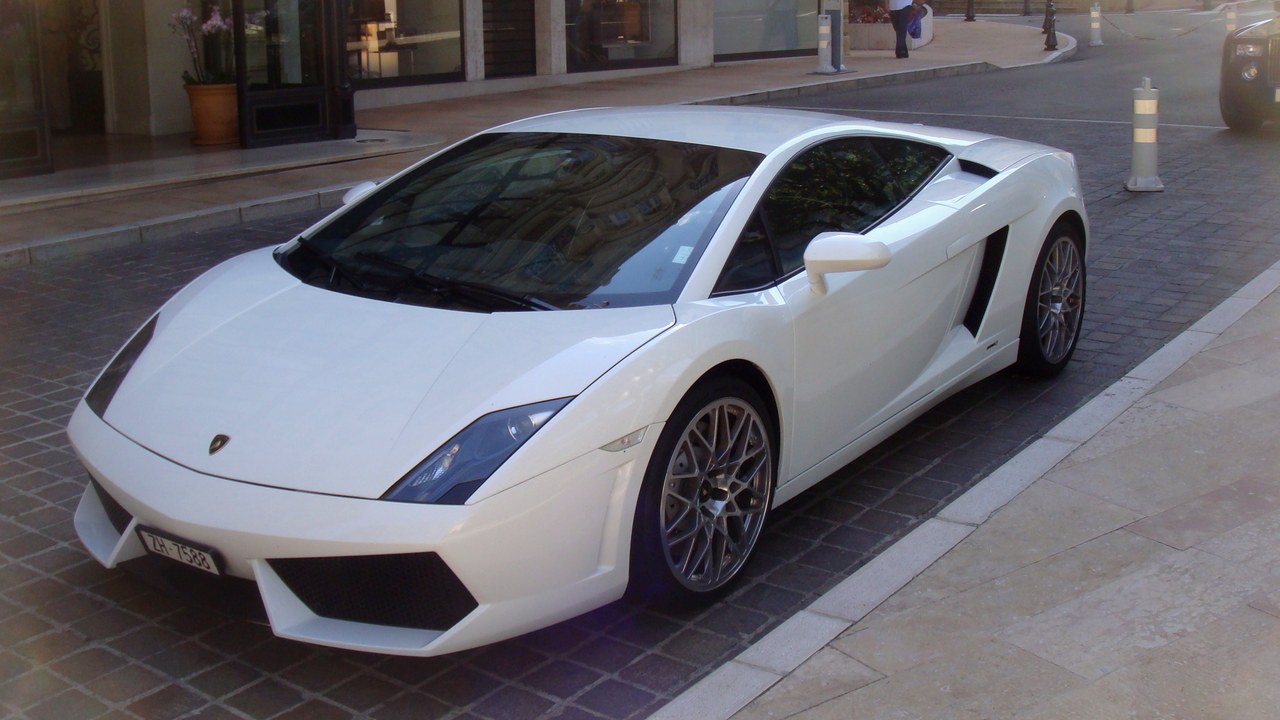
Both are on Exotics Group right now. This 2006 Gallardo SE with a six-speed manual in Verde Ithaca is described with bronze Forgiato wheels and a large rear wing. Hagerty notes that today's market favors standard cars, so ask whether the original parts come with it. For the later generation, this 2009 Gallardo coupe with a manual carries the 5.2-liter V10. On the Ferrari side, this 2009 F430 coupe with the six-speed manual in Silver Nürburgring shows what the rare gated car looks like in the wild.
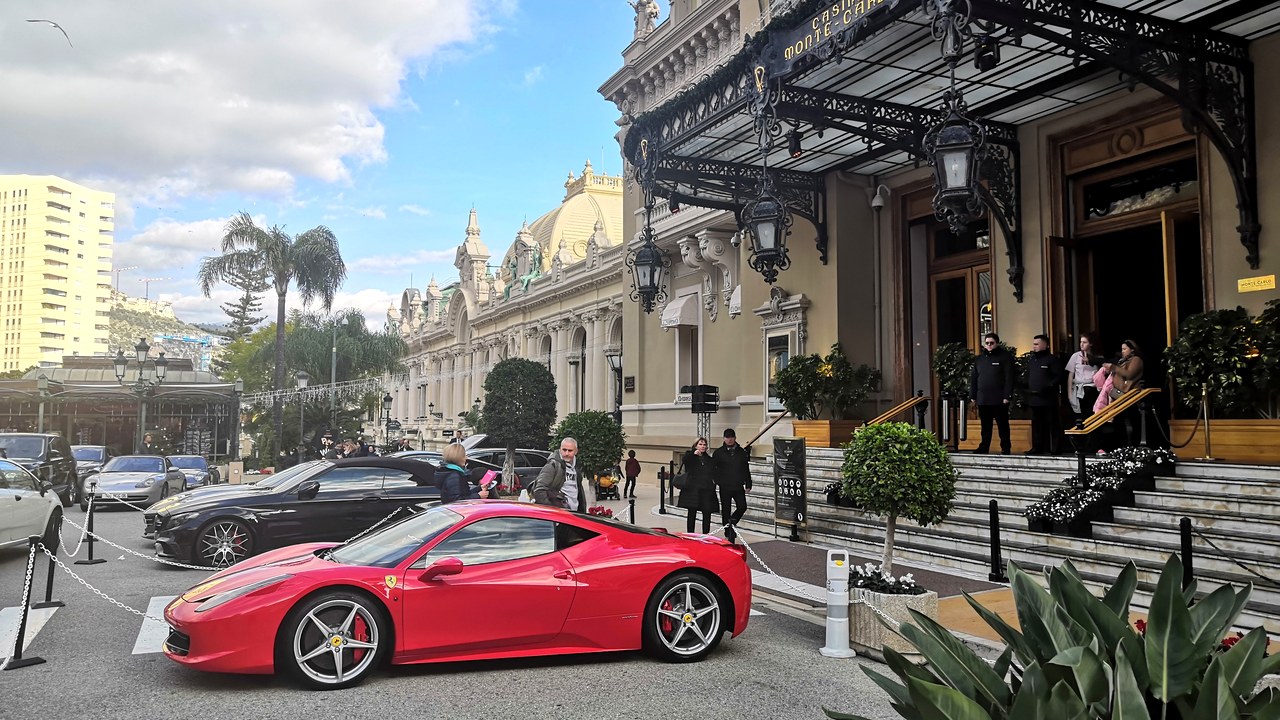
Both cars were followed by landmark successors. Hagerty calls the 458 Italia "one of Ferrari's greatest-ever road cars," and Sports Car Market notes that the Gallardo's replacement, the Huracán, kept the naturally aspirated V10 but introduced a much more modern dual-clutch transmission. That is part of what makes this pair so appealing. The F430 was the last mid-engined Ferrari offered with a manual, and Hagerty says the Gallardo was the last Lamborghini that let you row your own gears.
My pre-purchase checklist
| Check | Gallardo | F430 |
|---|---|---|
| Gearbox | Factory manual or e-gear, confirmed by build records | Factory manual or F1, confirmed by build records |
| Clutch | Diagnostic wear reading, not odometer miles | Clutch-wear reading from the transmission control unit |
| Hydraulics | Pump cycling and the optional nose lift | Pump run time when the driver's door opens |
| Engine | Correct dry-sump oil level; oil pressure on early cars | Cold-start ticking from the manifolds; oil-change history |
| Originality | Original wheels and body parts | Original manifolds or a documented upgrade |
| Cabin | Driver's seat bolsters | Sticky switchgear |
The verdict
Here is my opinion, after reading the guides, the road tests and the owner threads side by side. Choose the F430 if you want the sharper instrument, the more engaging rear-drive balance and chain-driven cams. Choose the Gallardo if you want V10 drama, all-wheel-drive confidence and Audi-era switchgear that has aged well. Either way, the best example is the one with the most complete records and the healthiest clutch, not the lowest miles or the loudest color.
If you want more context before you shop, our market report on Ferrari's last naturally aspirated V8 special series covers the 430 Scuderia and 16M. The Last Naturally Aspirated V10s follows the Gallardo's successor, and Ménage à Clutch explains why dual-clutch gearboxes changed the game.
Shopping for your first exotic? Create a free Exotics Group account to save the Gallardos and F430s you're considering and get new listings first.
Whichever key you reach for, the drive is the point. Get out and enjoy your car this weekend.
Sources
- Car and Driver: 2004 Lamborghini Gallardo first drive (493 hp, $160,000 estimate, 1,300 a year, everyday-supercar positioning, torque and AWD split)
- Car and Driver: Tested, 2004 Lamborghini Gallardo ($167,200 base, manual $10,000 less, e-gear behavior, 0–60 mph, skidpad, seats, nose clearance)
- Car and Driver: Ferrari F430 road test (0–60 mph, quarter-mile, crankshaft height, handling)
- Car and Driver: Ferrari F430 Spider first drive (20-second roof, shift times)
- Hagerty: Your Handy 2004–13 Lamborghini Gallardo Buyer's Guide (production, variants, E-gear technique, clutch cost and life, dry sump, con-rods, prices, originality)
- Hagerty: The 2004–09 Ferrari F430, once overshadowed, is a worthy future classic (483 hp, E-Diff, manettino, manual share and value, driving character, 458)
- Hagerty: Manuals matter (Gallardo +50% manual premium, last Lamborghini manual)
- Hagerty: Gated Community, converted-manual Ferraris (9.4% average discount)
- Hagerty: 2025 Bull Market list (six-speed Gallardo $157,700, 7% since 2019)
- Hagerty: Lamborghini's best-selling sports car is a hit with younger collectors (buyer demographics)
- Hagerty: Vehicle Valuation Report, 2006 Ferrari F430 Spider, November 2024 (values, +100% manual, MSRPs, Scuderia, chain-driven cams)
- Sports Car Market: Buyer's Guide to the Lamborghini Gallardo (LP560-4, E-gear operation and wear, hydraulics, conversions, Huracán)
- Magneto: 2003–2013 Lamborghini Gallardo buying guide (E-gear share, Balboni, engine issues, clutch, nose lift, switchgear)
- Magneto: 2004–2009 Ferrari F430 buying guide (F1 clutch interval, fluid change, sticky switches)
- PistonHeads: Ferrari F430 Buying Guide, Powertrain (manifolds, F1 fluid, actuator)
- Ferrari Owners' Club of Great Britain: Ferrari F430 Buying Guide (F1 operation, pump, clutch life and cost, manifolds, servicing, manual premium)
- FerrariChat: F430 Actual Repair Costs Long Term (owner experiences)
- 6SpeedOnline: Gallardo clutch life (owner experiences)
- FuelEconomy.gov: 2005 Lamborghini ratings
- FuelEconomy.gov: 2009 Lamborghini ratings
- FuelEconomy.gov: 2005 Ferrari ratings
- FuelEconomy.gov: 2008 Ferrari ratings
- Exotics Group: First-Time Supercar Buyer, Part 4 (MoneyGeek insurance averages, Exotics Group medians)
- Exotics Group: 2008 Ferrari F430 F1 listing (manifold and clutch claims)
- Exotics Group: 2006 Lamborghini Gallardo SE manual listing (wheels and wing)
- Wikimedia Commons: photo credits and licenses as listed in each caption