 exoticsgroup.com
First-Time Supercar Buyer, Part 3: The Ownership Experience

First-Time Supercar Buyer, Part 3
The garage door rises. Sunlight finds the curve over the front wheel, and for a moment the whole purchase makes sense without a spreadsheet. Then the ordinary questions arrive. Can you take it to work? Where does the weekend bag go? Who answers the phone if something feels wrong halfway home?
Those questions are not interruptions to exotic-car ownership. They are exotic-car ownership. The reward is not just the spectacular drive you planned. In my view, it is learning how to make room for an extraordinary car in a reasonably ordinary life.
Sophia Chen's Part 1: The Market Landscape handled buying prices and market behavior. Alex Rivera's Part 2: Technical Realities and Reliability opened the service folder. We will leave auction medians, belt schedules and clutch bills there. This chapter is about the life around the keys: the permissions, routines, people and small compromises that let you actually use the thing.
Insure the life you intend to lead
Before choosing an insurance policy, describe an honest week. Not the week you think an underwriter wants to hear: your week. Commuting, errands, overnight parking, road trips, other drivers and possible track days all belong in that conversation.
Hagerty's collector-car eligibility guidance permits club functions, exhibitions, tours and occasional pleasure driving, but says the collector vehicle cannot be your daily driver. Its coverage explanation specifically distinguishes pleasure use from routine commuting and shopping. That is one insurer's program, not a universal rule. It is also why buying a collector policy and quietly treating the Gallardo as your commuter is the wrong shortcut.
Ask about the settlement basis, not just the premium. Hagerty explains that agreed value and stated value are not interchangeable: its agreed-value coverage establishes an insured amount for a covered total loss, while stated-value wording can permit a lower settlement. Policy terms, deductibles, exclusions and state availability still govern. My advice: ask the agent to explain the actual wording on your quote, including who may drive, modifications, towing and your preferred repair facility. Get important answers in writing.
There is no useful universal insurance price for "an attainable exotic." A quote without your location, driving record, use and coverage is not your quote. Compare like-for-like proposals before deciding that a particular car fits your life.
Give it a home, not a shrine
A garage should make taking the car out easier, not turn departure into furniture removal. My practical test is simple: can you open the door, get in, remove the cover and leave without reorganizing everything you own? Measure the entrance, check the driveway transition and try the space with the actual car before committing.
Insurance and storage are connected. Hagerty prefers an enclosed, secure structure, while considering alternatives under its eligibility rules. Do not assume that an apartment garage, offsite storage facility or driveway automatically qualifies. Tell the insurer where the car really sleeps.
For longer layups, Hagerty's storage guide emphasizes a dry storage location, cleaning before covering, fuel preparation and battery care. It also cautions against occasional brief winter starts that do not bring the car properly to temperature. Use that as a planning framework, then follow the car's handbook and your specialist's model-specific instructions, including battery-maintainer compatibility.
My preference is a tidy, accessible garage and a ready-to-go car over a theatrical room you are afraid to disturb. Leave room for the unglamorous equipment: a tire-pressure gauge, the correct charging equipment and whatever recovery information your specialist recommends. The best storage arrangement is the one that supports the next drive.
Daily-ish is a relationship, not a mileage target
A useful distinction: a car you can use regularly is not necessarily a car you want for every journey. The test is not whether somebody else has managed it. It is whether your route, body, passengers and patience agree with it.
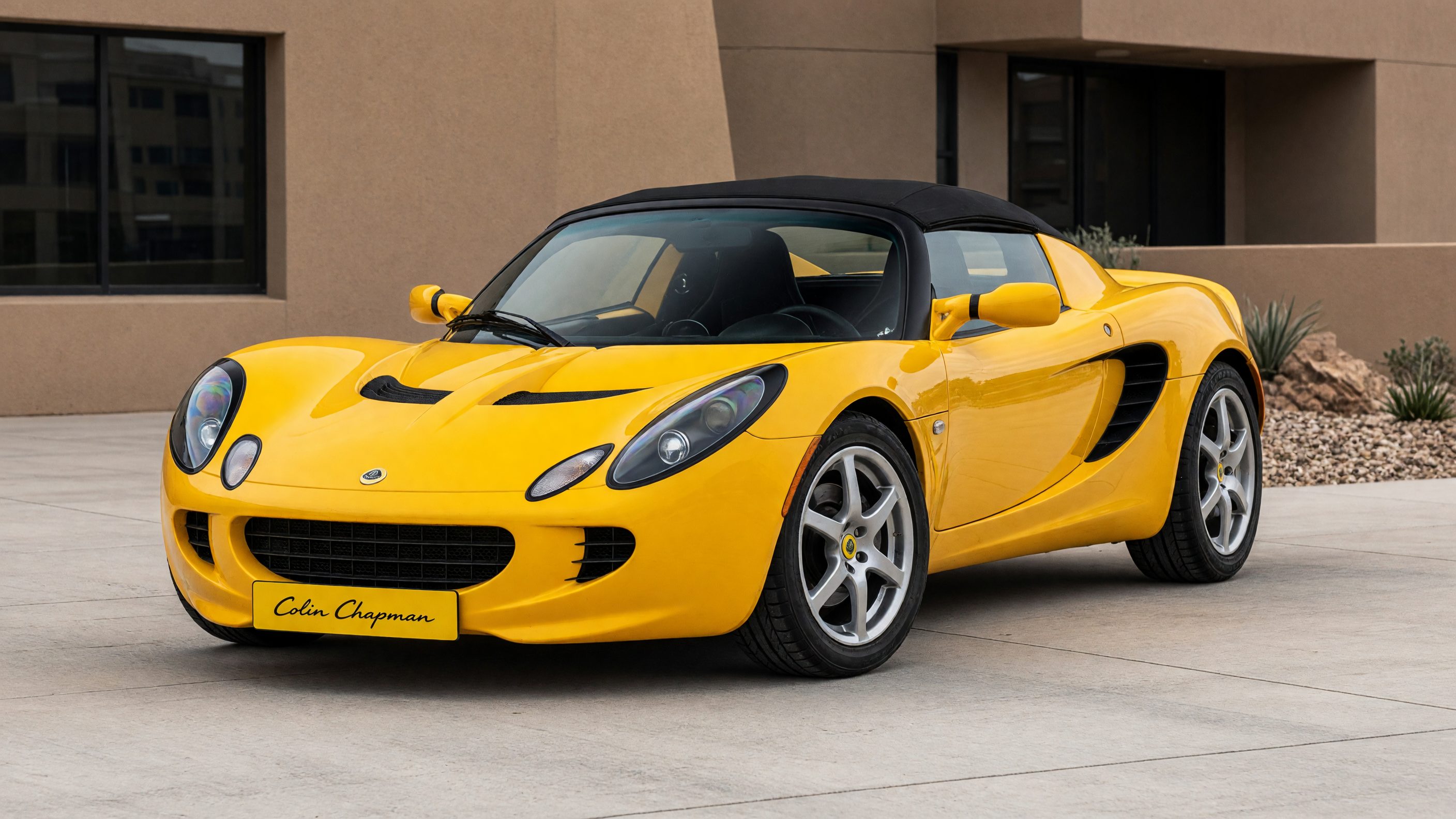
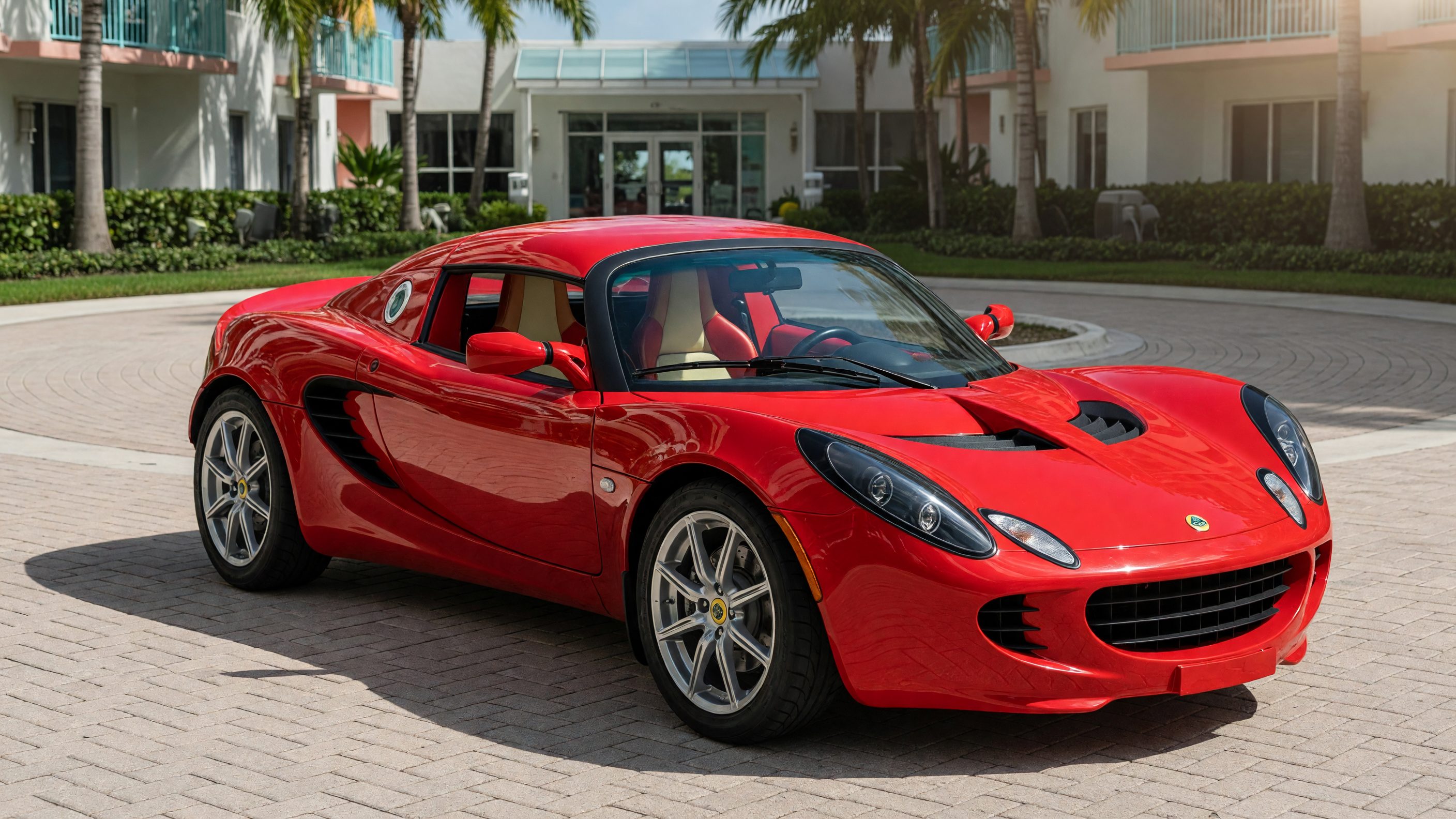
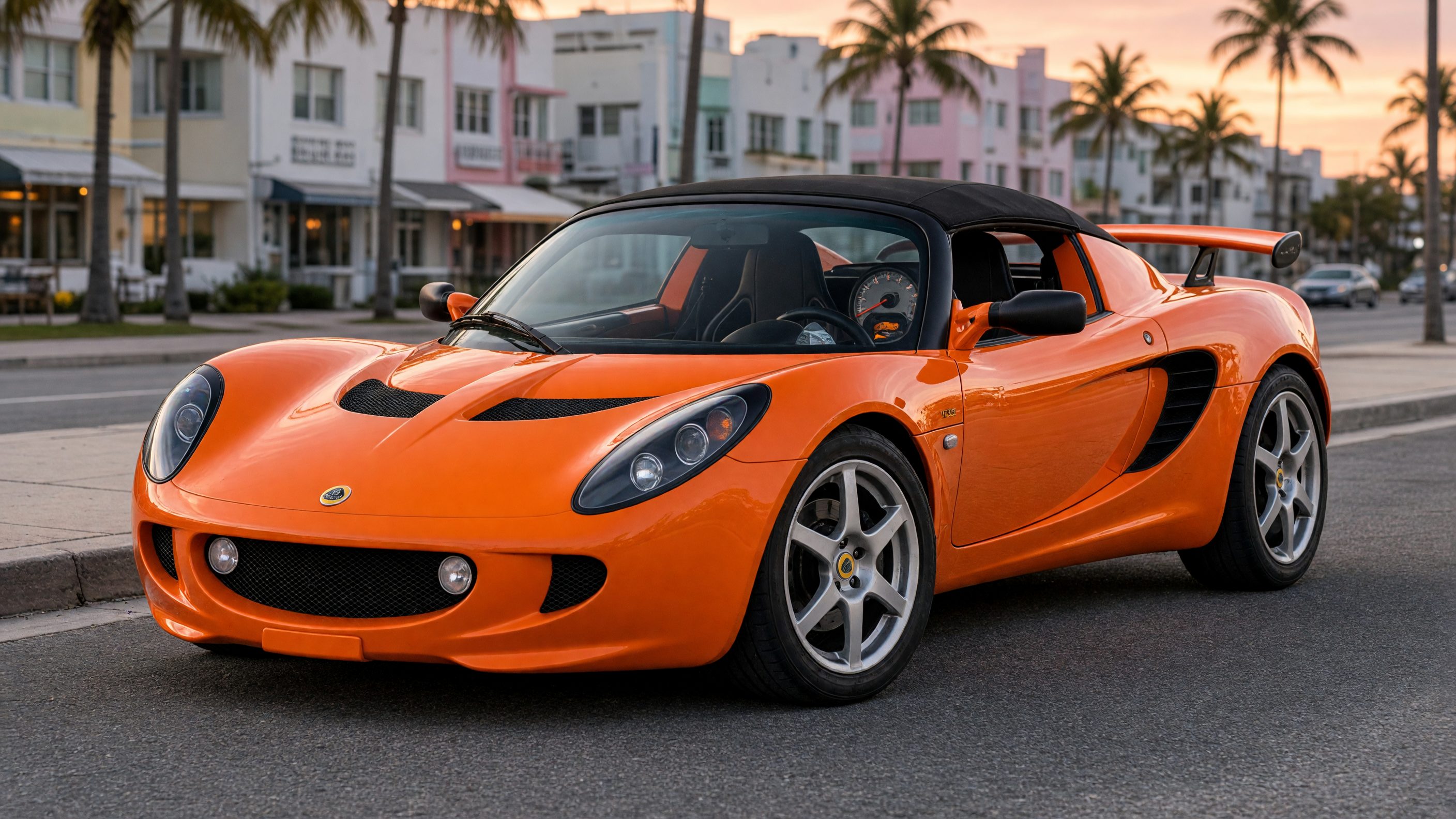
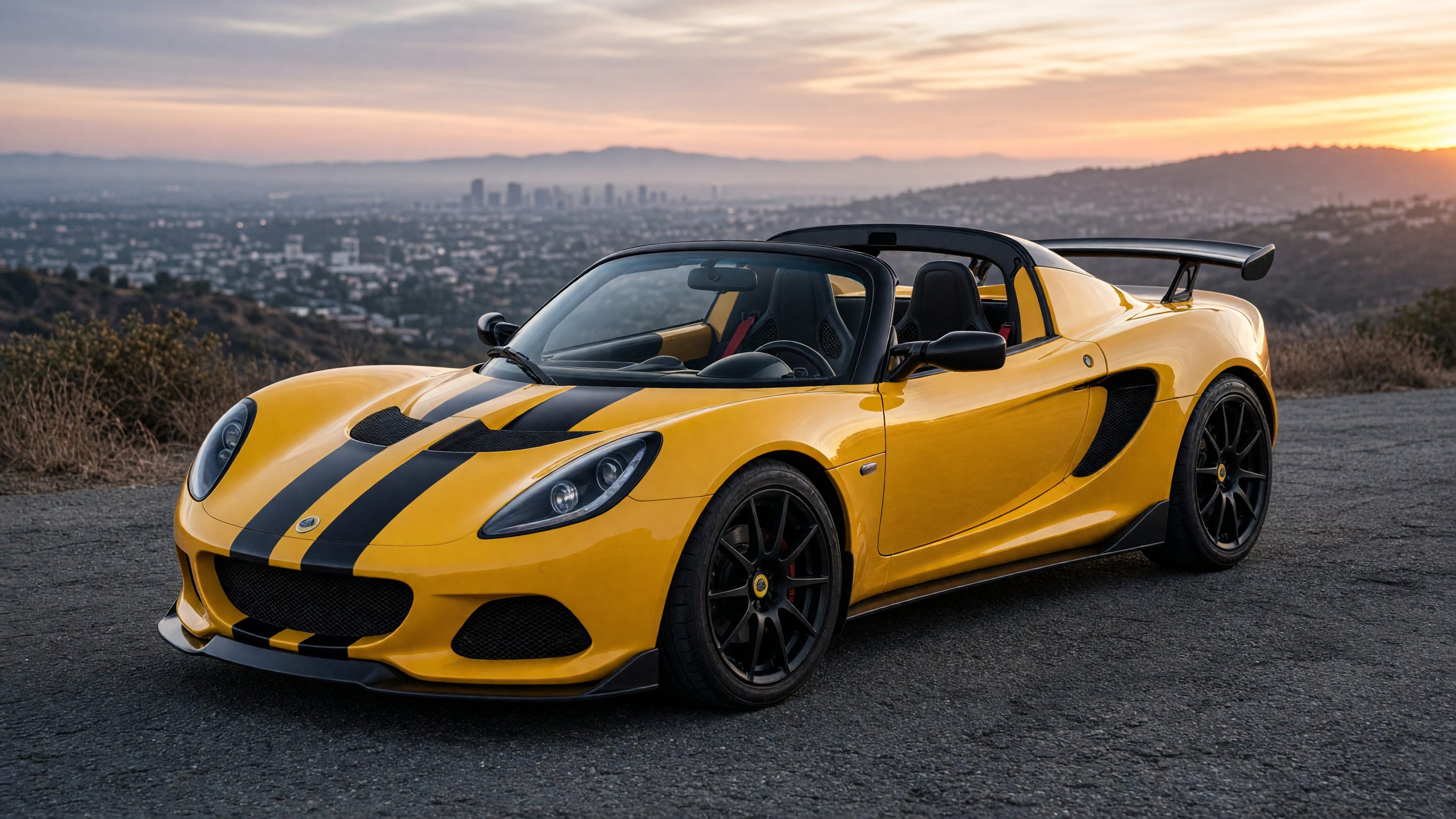
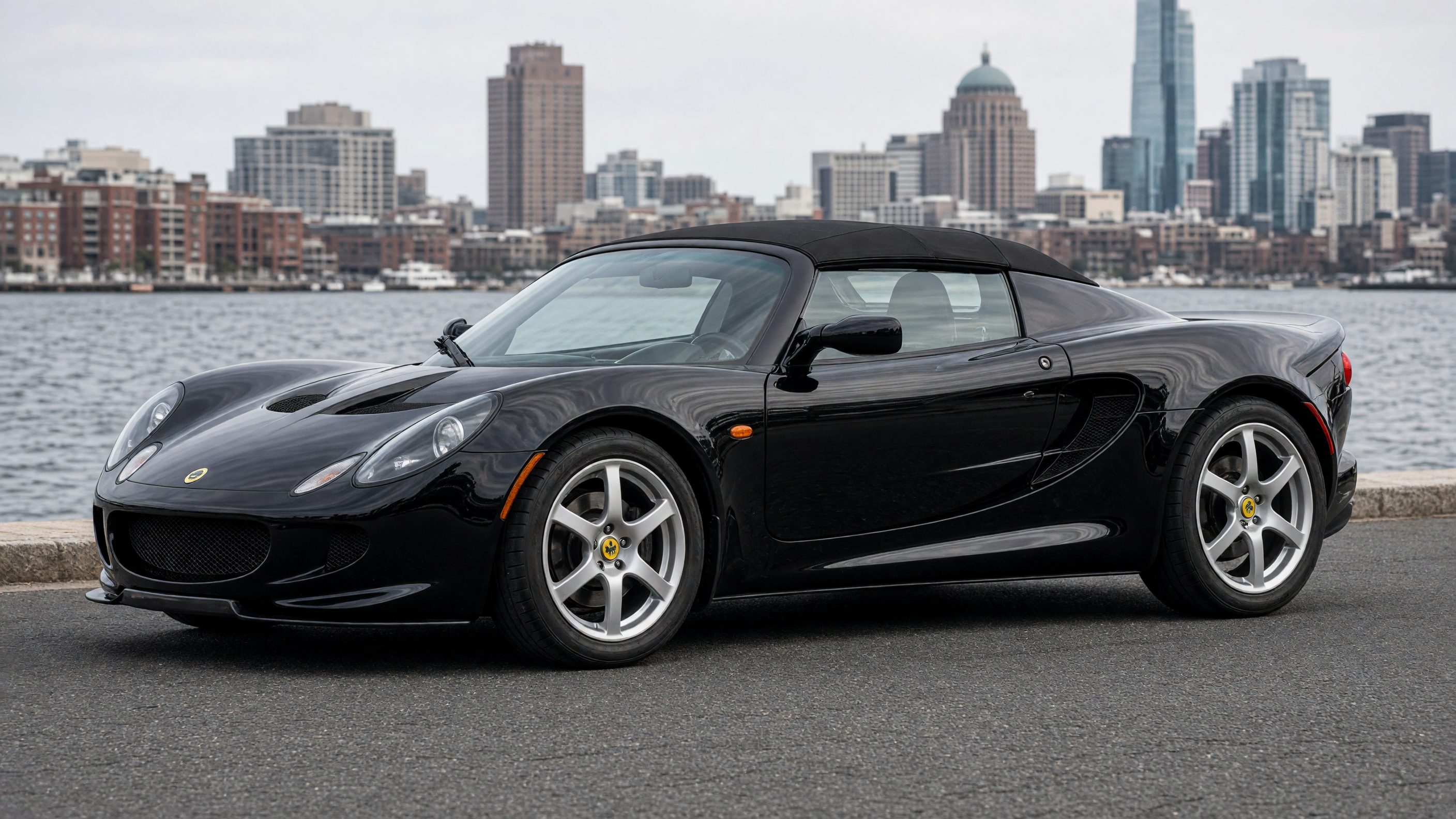
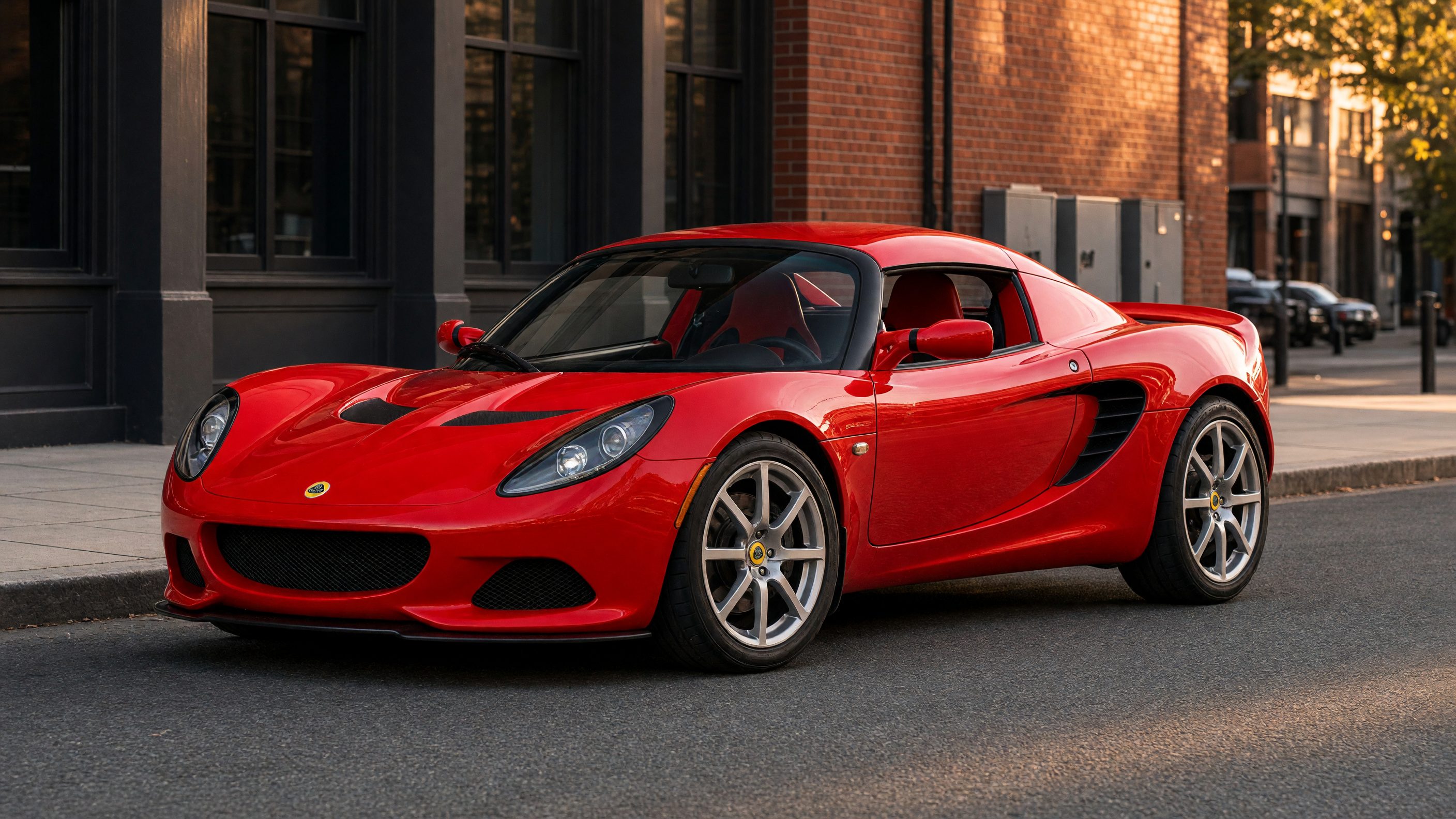
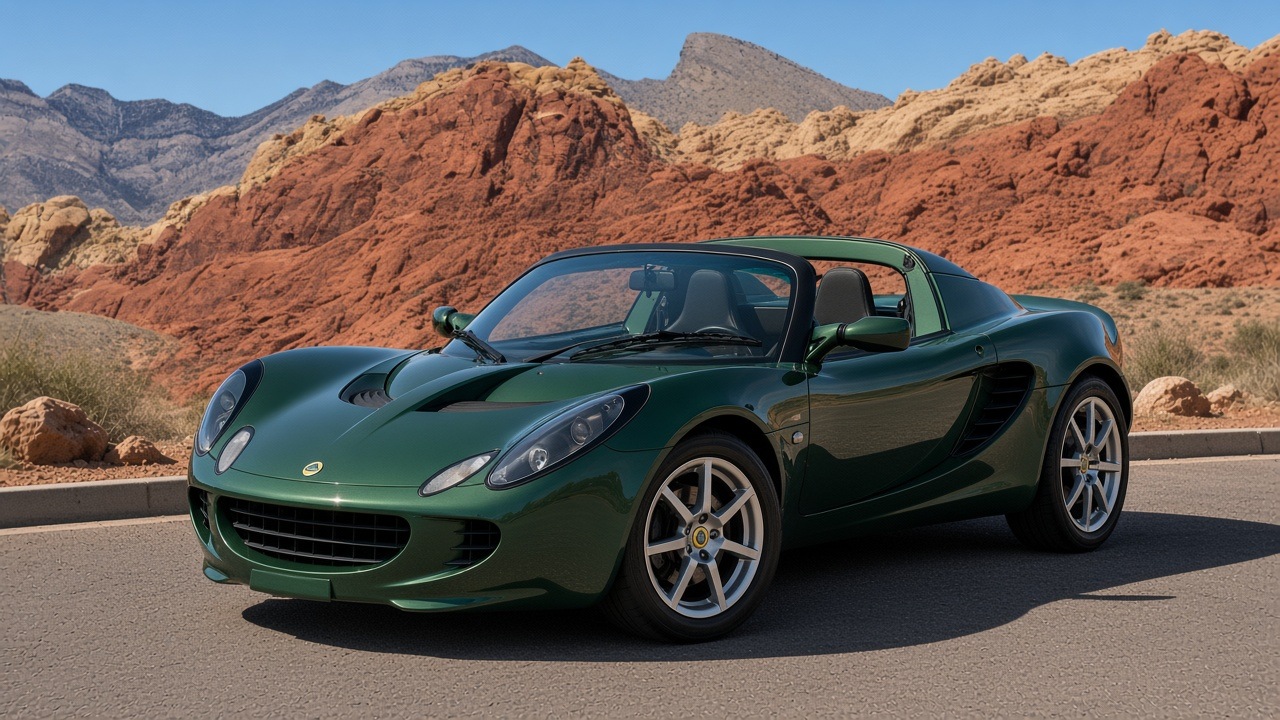
In Road & Track's account of Todd Deeken's daily-driven Elise, the compromises are specific: getting in and out, limited storage, little sound deadening and the difficulty other motorists have spotting the small car. The reward is equally specific: Deeken still wants the Lotus when the road turns interesting. That is an owner experience, not proof that an Elise commute will suit everyone.
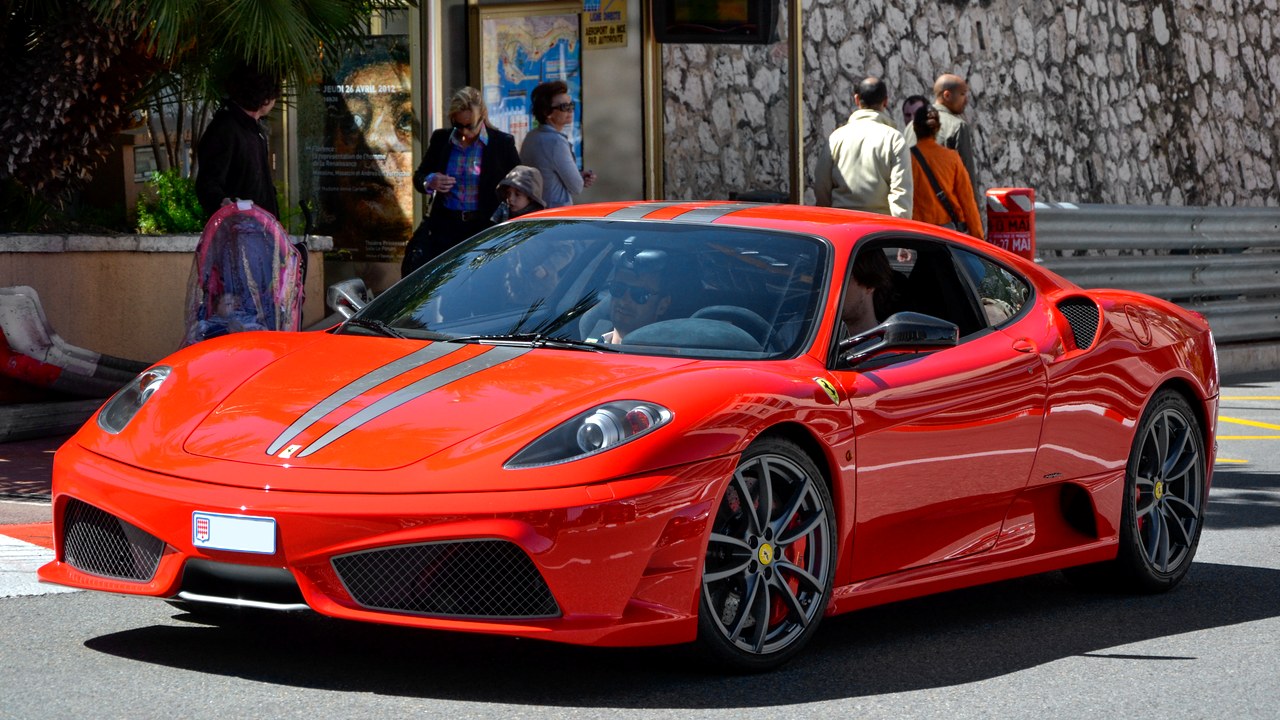
The Ferrari version is less ascetic, but hardly friction-free. In a PistonHeads ownership discussion, F430 owner "murphyaj" describes supermarket visits, taking his son to school and ordinary outings. He also reports poor visibility, limited refinement and a gearbox he finds clunky in town before warming up. He avoids unfamiliar multistory parking garages. Other contributors disagree about how tolerable the experience is. That disagreement is useful: daily usability is personal.
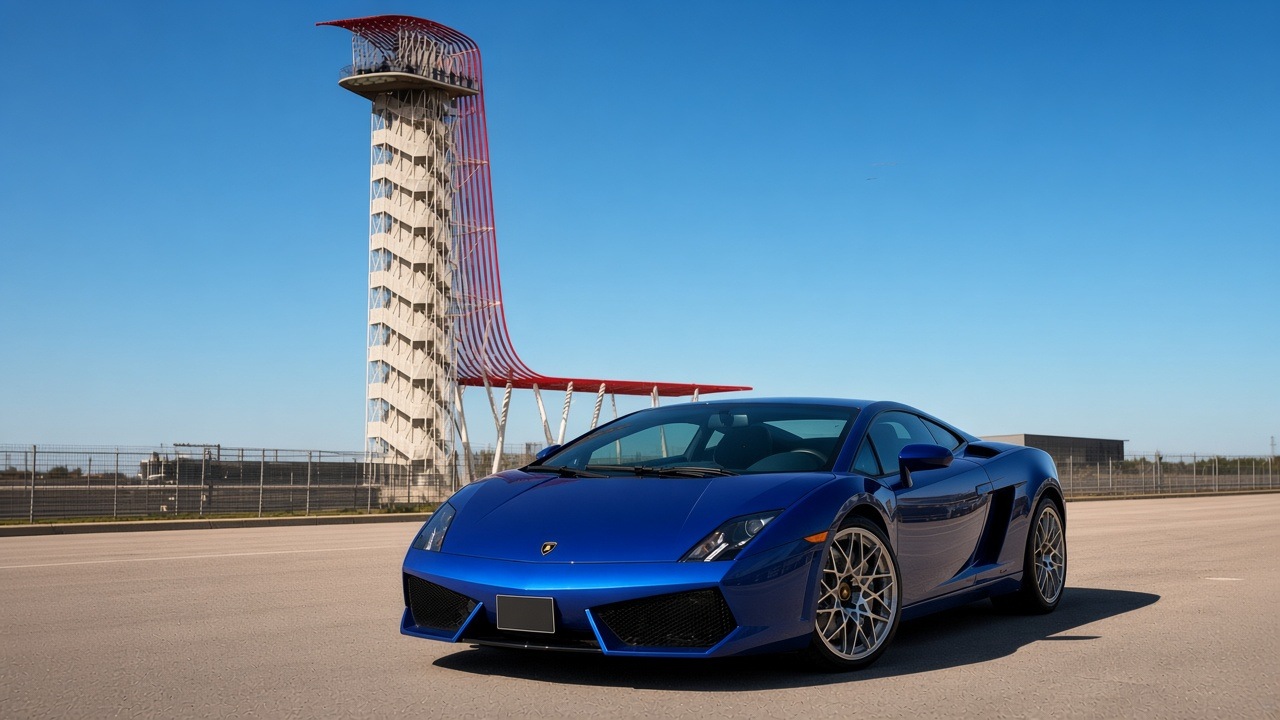
For the Gallardo, owner "rat rod," who reports owning both it and an F430, describes restricted visibility in built-up areas in another PistonHeads thread. Treat that as a prompt for your test drive, not a verdict on every Gallardo. Try the parking maneuver you actually need, not just the scenic road the seller suggests.
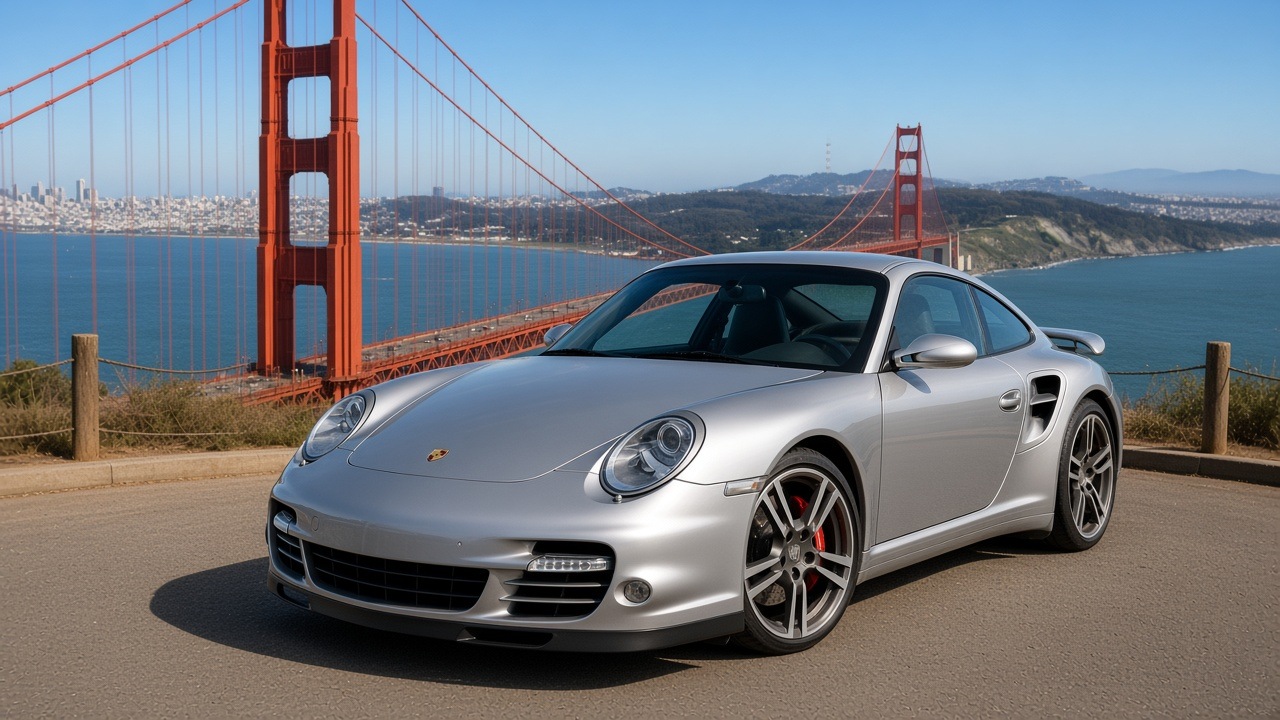
The Porsche offers a different starting point. In its period 997 Turbo first drive, Car and Driver reported improved ride comfort and reduced cabin noise compared with the 996 Turbo, plus useful luggage space for the class. That makes the 997 worth trying if ordinary trips matter as much as arrival theater. It does not tell you how a particular used example feels today.
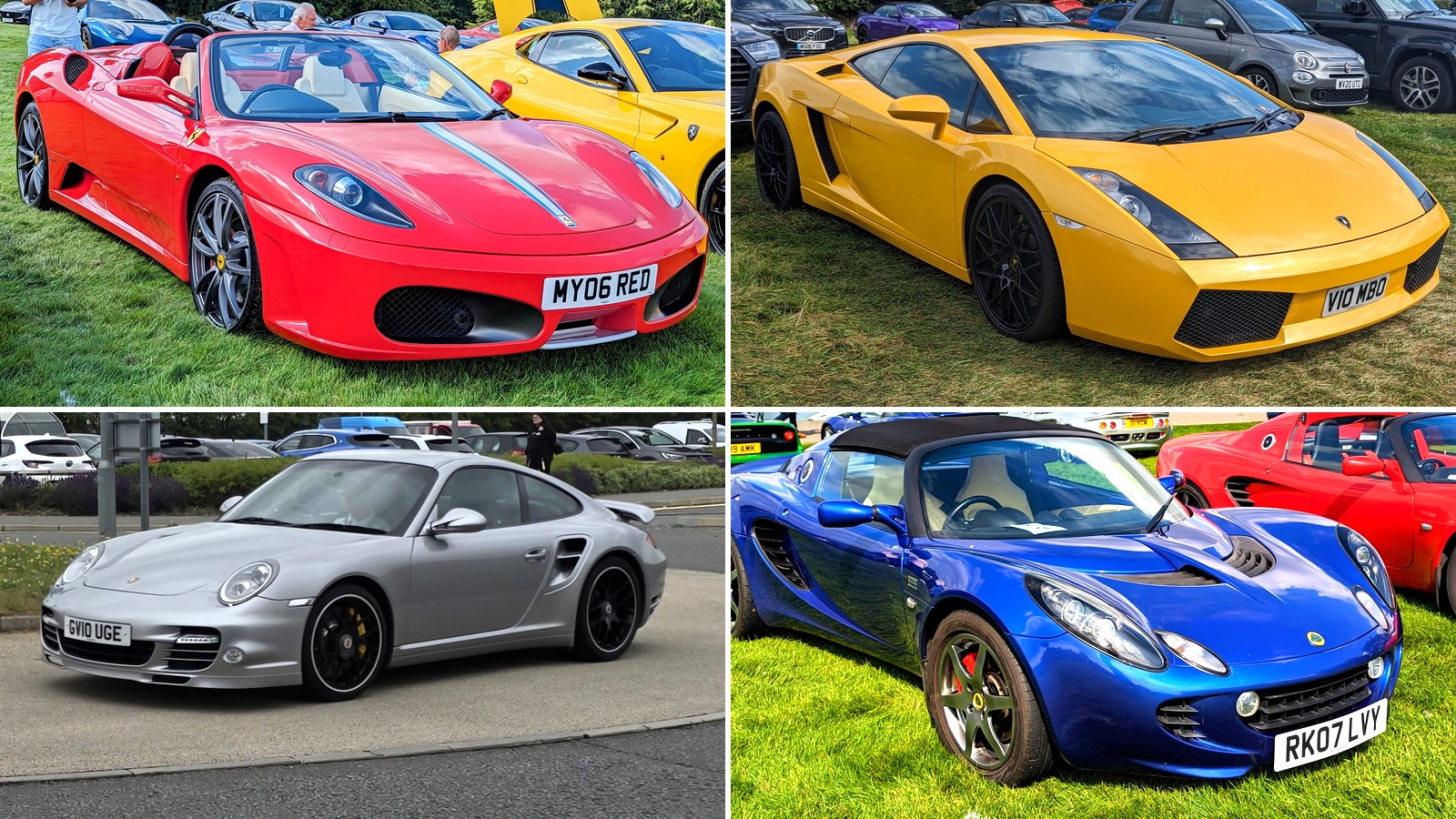
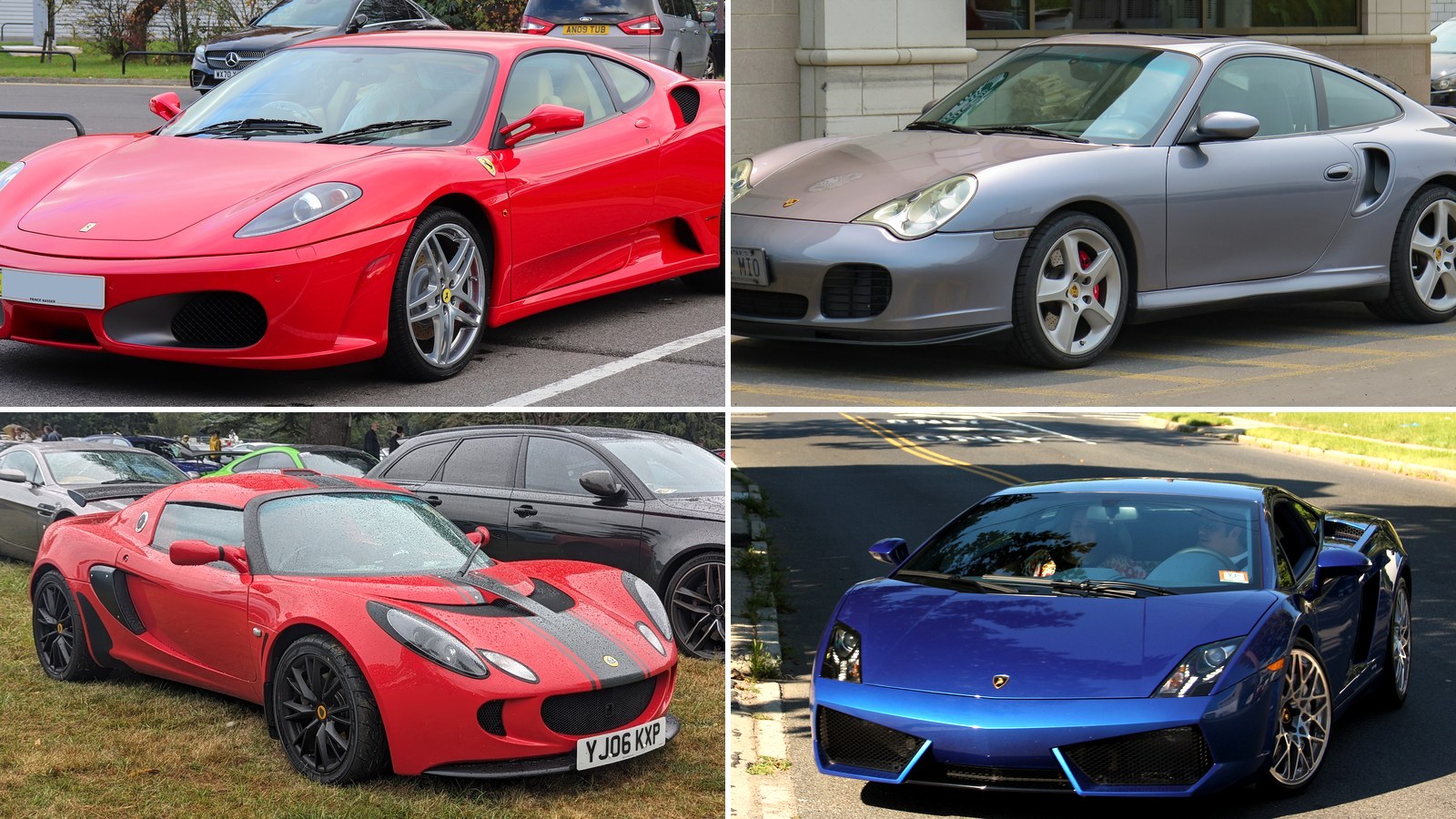
My shopping checklist for the Elise or Exige, 360 or F430, Gallardo, and 996, 997 or 991 Turbo is deliberately mundane:
| Your real-life test | What to establish before buying |
|---|---|
| Your normal shoes and clothes | Can you enter, exit and operate the pedals comfortably? |
| Your parking space | Can you clear the approach, open the door and get out? |
| Your regular passenger | Do they enjoy the seat, visibility and noise too? |
| Your actual bags | Do they fit without obstructing controls or sightlines? |
| Your normal route | Are traffic, junctions and parking manageable rather than exhausting? |
This is advice, not a ranking. A Lotus that fits your favorite morning may be a better ownership choice than a Porsche that fits everybody else's checklist.
Take the trip, but rehearse the boring parts
A road trip does not require a grand tourer. It requires the right expectations, a mechanically prepared car and a passenger who signed up for the same holiday.
Nate Crabtree's first-person Petrolicious account follows an Elise journey from St. Louis toward Oregon. He and his girlfriend packed camping equipment and soft luggage into the car. He describes a temporary air-conditioning failure, retreating from heavy rain and conversations with strangers along the way. He finished more enamored with the Lotus, not less. None of that is a reliability statistic; it is one carefully attributed example of a small car making a big trip possible.
Borrow the preparation, not the assumption that your trip will unfold identically. My advice is to pack the car at home, drive a local loop with your companion and unpack it again. Put the things you need during the day where you can reach them safely when stopped. Choose overnight parking before you choose the hotel view. Check weather, road conditions, fuel availability and recovery coverage before heading somewhere remote.
Fuel planning belongs in that rehearsal. The chart uses the EPA/DOE website's currently displayed highway ratings for selected cars from the same model year, with the transmission stated. These are comparison estimates, not promised consumption, original window-sticker figures or a prediction of range. A different gearbox, later generation, modified car or enthusiastic route can change the result.
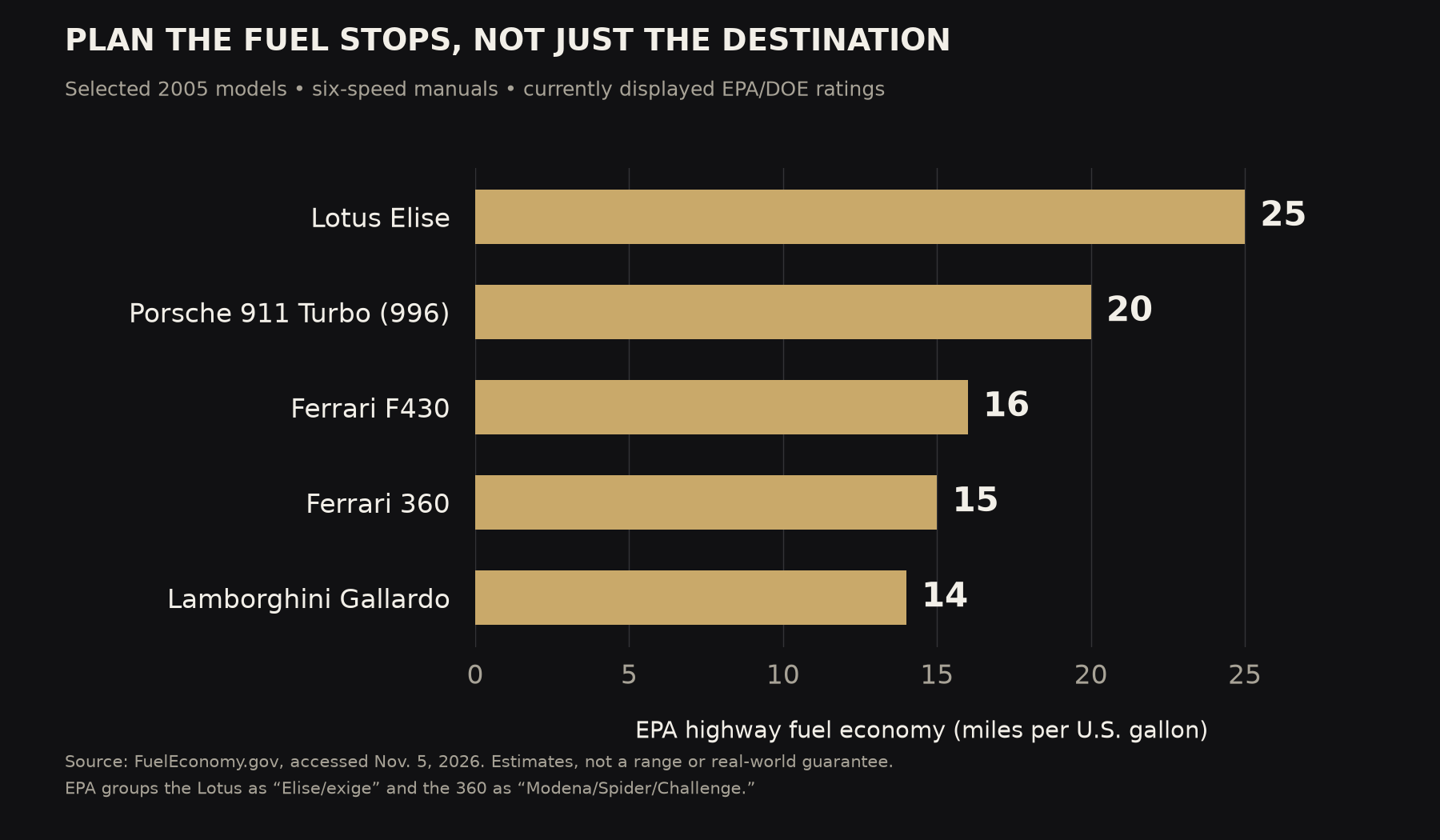
The point is not to turn the trip into an economy contest. It is to build fuel stops into the pleasure instead of discovering them under pressure. For the Lotus, Ferraris, Gallardo and Porsche, the source pages also make clear how specific a fuel-economy comparison must be. Do not transfer these ratings to every version wearing the same badge.
Find a track instructor before finding the limit
If you want to explore the car beyond public-road speeds, start with instruction, not a stopwatch. My opinion: learning to see farther ahead and make cleaner inputs is a better first upgrade than buying more power.
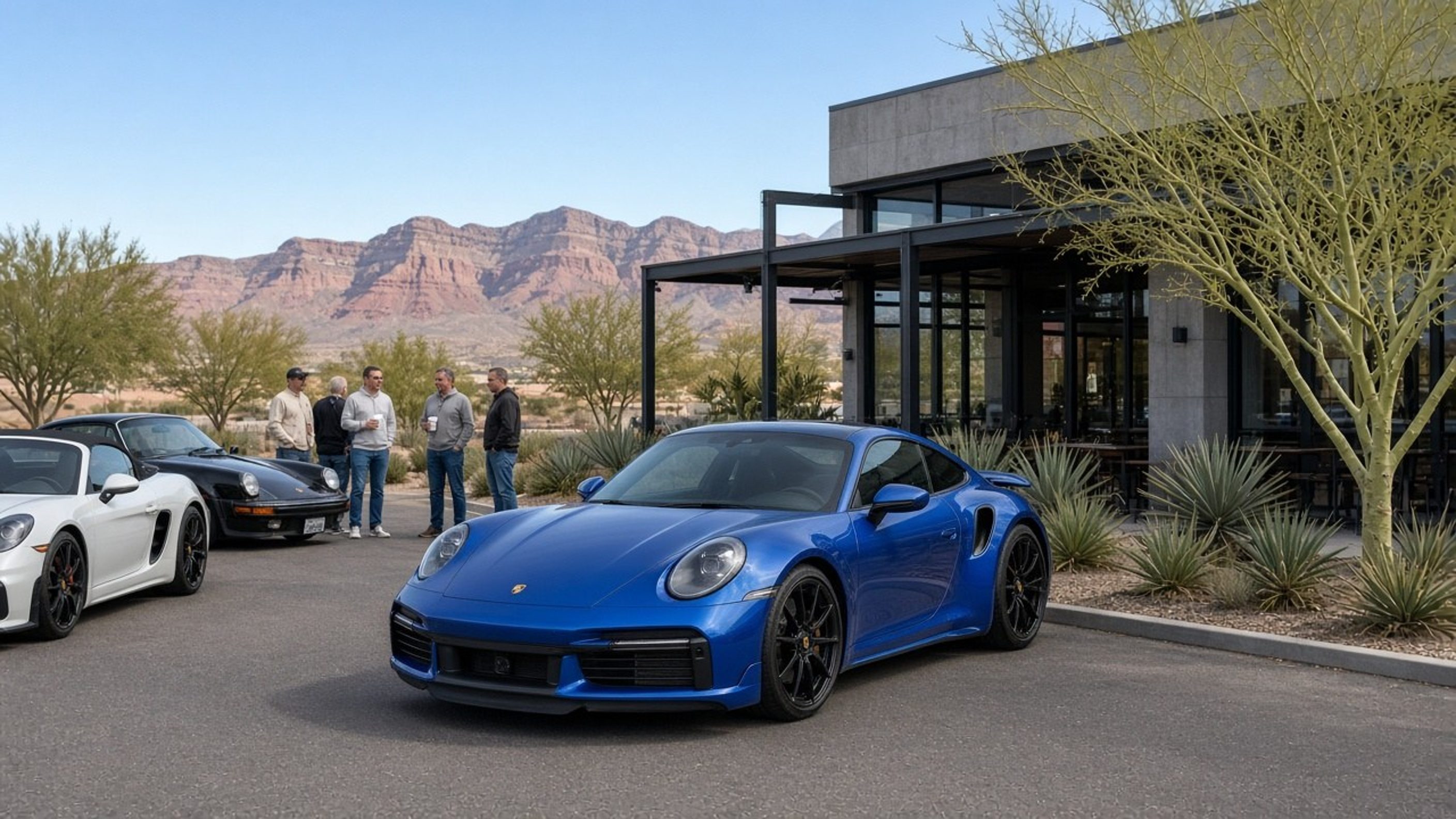
The Porsche Club of America's Northeast Region describes its high-performance driver education as non-racing, untimed driving, with experience-based groups, instructors for novices and prescribed passing rules. It welcomes other makes at its events and does not require PCA membership there. Check your own organizer's rules; do not assume that every region or event works the same way.
Ask about the inspection form, helmet standard, convertible requirements, noise restrictions and instructor arrangements before registering. Tell your specialist what you intend to do, and have the car checked against the event's requirements. An Exige, a 360 and a Turbo do not become interchangeable track tools just because they share a novice run group.
Then check the insurance. Lockton Motorsports' FAQ says most auto insurers exclude HPDE coverage and advises reviewing your policy or contacting your agent. The PCA Chicago Region separately describes single-event physical-damage insurance. Ask what a proposed policy covers, what it excludes and how its deductible works. An event waiver is not a substitute for understanding your own protection.
My rule for the first day would be wonderfully unheroic: arrive rested, listen, leave a margin and go home wanting another lesson. There is no ownership requirement to set a time, and no shame in deciding the track is not your thing.
The community is part of the car
You do not have to become a club officer or spend every Saturday at a meet. But a good group can turn an intimidating purchase into a conversation. My advice is to find people who answer beginner questions without making you audition for belonging.
Start by attending something local as a visitor. Ask how drives are organized, whether there is a route briefing and how the group handles a separated car. On the road, there should be no need to catch a convoy at an unsafe pace. Save the performance experiment for the controlled environment.
The pleasures extend beyond driving. Crabtree's Elise story includes strangers coming over to talk and an older enthusiast remembering his own Lotus. In the Gallardo discussion, owner "franki68" describes the attention as overwhelmingly positive but something an owner must be prepared for. Those are individual accounts, not a promise that every interaction will be charming.
My view: you can be friendly without giving strangers access to the cabin, your schedule or your home address. Ask before photographing someone else's car, respect a driver's wish to leave quietly and remember that a welcoming community does not require a more expensive badge.
Your most important relationship may be with the workshop
Part 2 explained what these cars need mechanically. The ownership question is who helps you make those decisions, and how clearly you can talk to each other.
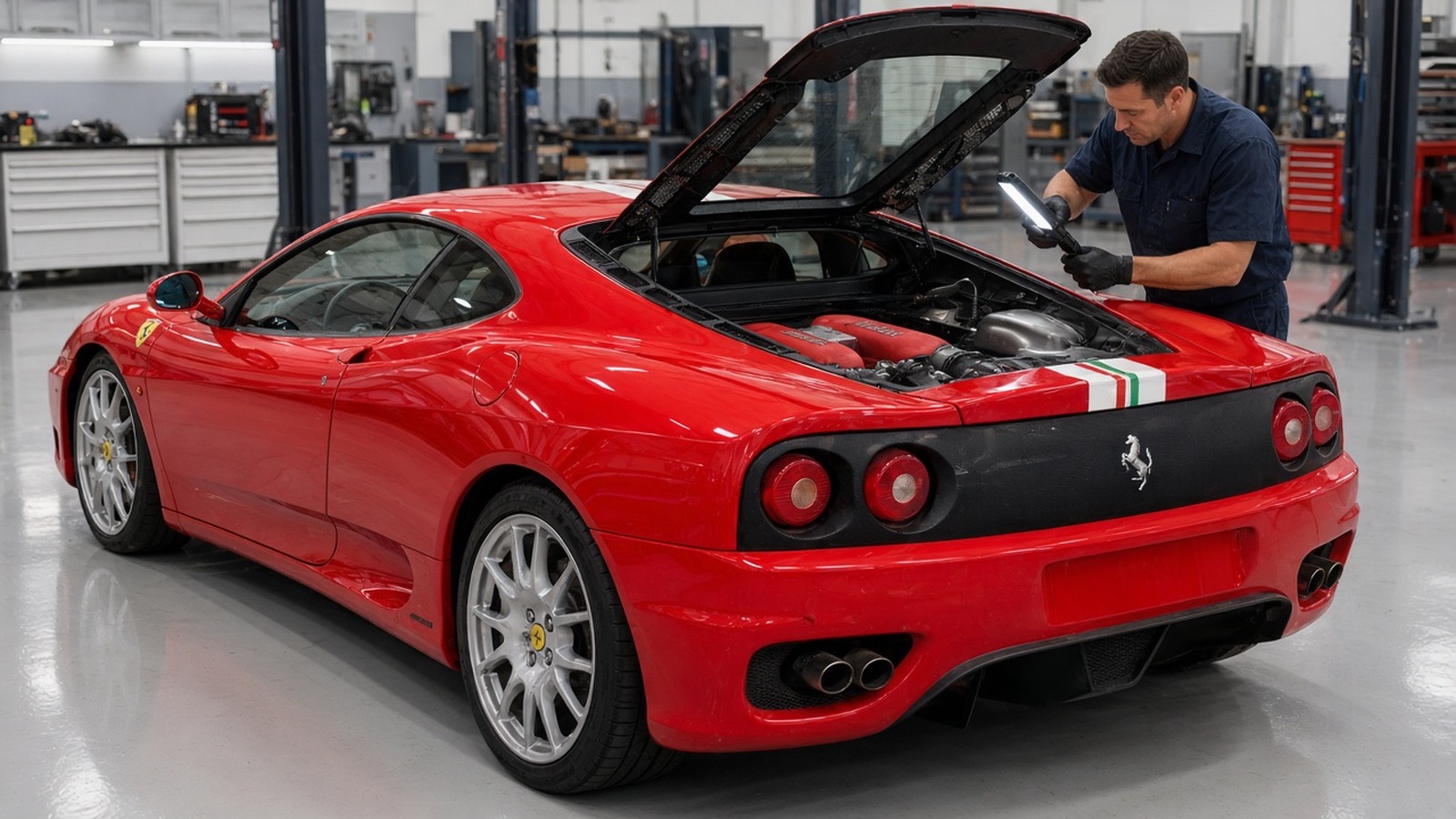
John Howell's PistonHeads profile of Simon's extensively used 360 Spider offers a revealing answer. Simon kept returning to the business that sold it to him because, he said, "I've built a relationship with the people there and I like them." That is not an argument that a dealer is always better than an independent. It is an argument for continuity and trust.
My advice is to agree on a communication routine before the first appointment. Describe symptoms precisely: cold or warm, stationary or moving, occasional or repeatable. Ask the shop to separate work needed now from work to plan and cosmetic improvements you can choose later. Request an estimate, an authorization point before additional work and a realistic discussion of parts availability. Keep invoices together with dates and mileage.
Ask what happens if the car arrives on a recovery truck. Ask how they prefer to handle a warning light while you are traveling. A useful service relationship includes the ability to say, "Stop driving and call us," not just reassurance you want to hear.
For newer-car contrast, Simon also owned an F8 Spider. He described the F8 as more digital and the 360 as more analog. That is his comparison, not mine. My opinion is that shopping a Ferrari 296 GTB or McLaren 750S instead changes the shopping conversation, not the need for clear support. Neither a newer dashboard nor a higher purchase price replaces a relationship with someone who knows your car.
Stop making every mile defend itself
Part 1 already covered market movement. There is no reason to repeat the market discussion here, or invent a universal resale penalty for taking a Sunday drive.
The psychological part deserves attention, though. My opinion: decide before buying whether you want a car to preserve, a car to use or a deliberate balance. Trouble starts when you buy for use and then judge every stone chip as a failure of investment management.
In that F430 ownership thread, "murphyaj" argues that the fixed commitments of ownership make him want to drive more, not less. You do not have to copy his budget or his conclusion. But it is worth asking what your own spending is meant to buy: an untouched odometer, or the freedom to make a normal day memorable?
Care and enjoyment are not opposites. Keep the records, fix what needs fixing, respect the car and accept that using an object leaves evidence. My preference is for memories supported by maintenance, not maintenance performed in the hope that memories might happen someday.
Choose your car, then choose your next drive
If you are still narrowing the field, use these live Exotics Group listings as starting points, not endorsements of condition: a 2006 Lotus Elise, 2003 Ferrari 360 Modena, 2007 Ferrari F430 and 2008 Lamborghini Gallardo.
Compare them with a 2002 996 Turbo and 2008 997 Turbo, or, for a newer-car contrast, a 2025 McLaren 750S. Confirm availability, arrange the inspection and bring your real-life checklist.
For a little route inspiration, read Escape Velocity: A Daylight Drive Out of Las Vegas. For a future shared adventure, explore the Syndicate Run; its published road rules require obeying traffic laws, not racing.
Members, registration is open. Create a free account to register.
This weekend, make a little room in the day, take the keys and get out and enjoy your car. The road is where the ownership experience becomes yours.
Sources
- Exotics Group: First-Time Supercar Buyer, Part 1, Sophia Chen
- Exotics Group: First-Time Supercar Buyer, Part 2, Alex Rivera
- Hagerty: Insurance qualifications and usage/storage eligibility
- Hagerty: Classic and collector insurance, agreed versus stated value
- Hagerty: Classic-car winterization and storage
- Road & Track: Brian Silvestro on Todd Deeken's daily-driven Elise, May 2018
- Petrolicious: Nate Crabtree's first-person Elise road trip, October 2017
- PistonHeads: Anyone daily a F430?, owner reports including murphyaj, January 2024
- PistonHeads: Gallardo or F430 advice, owner reports including rat rod and franki68, June 2021
- PistonHeads: John Howell's interview with 360 Spider owner Simon, May 2023
- Car and Driver: Juergen Zoellter, 2007 Porsche 911 Turbo first drive, March 2006 issue
- U.S. EPA/DOE FuelEconomy.gov: 2005 Lotus Elise/exige, manual, highway rating
- U.S. EPA/DOE FuelEconomy.gov: 2005 Ferrari 360 and F430, manual, highway ratings
- U.S. EPA/DOE FuelEconomy.gov: 2005 Lamborghini Gallardo, manual, highway rating
- U.S. EPA/DOE FuelEconomy.gov: 2005 Porsche Turbo 4 911 Turbo, manual, highway rating
- PCA Northeast Region: HPDE overview and eligibility
- PCA Chicago Region: Driver education and physical-damage insurance
- Lockton Motorsports: HPDE insurance FAQ
- Exotics Group: The Syndicate Run, registration and public-road rules