exoticsgroup.com

At a glance
Year
2002
Mileage
50,394 mi
Exterior
Blue
Engine
3.6L H6
Transmission
Manual
VIN
WP0CA29962S650109
About this car
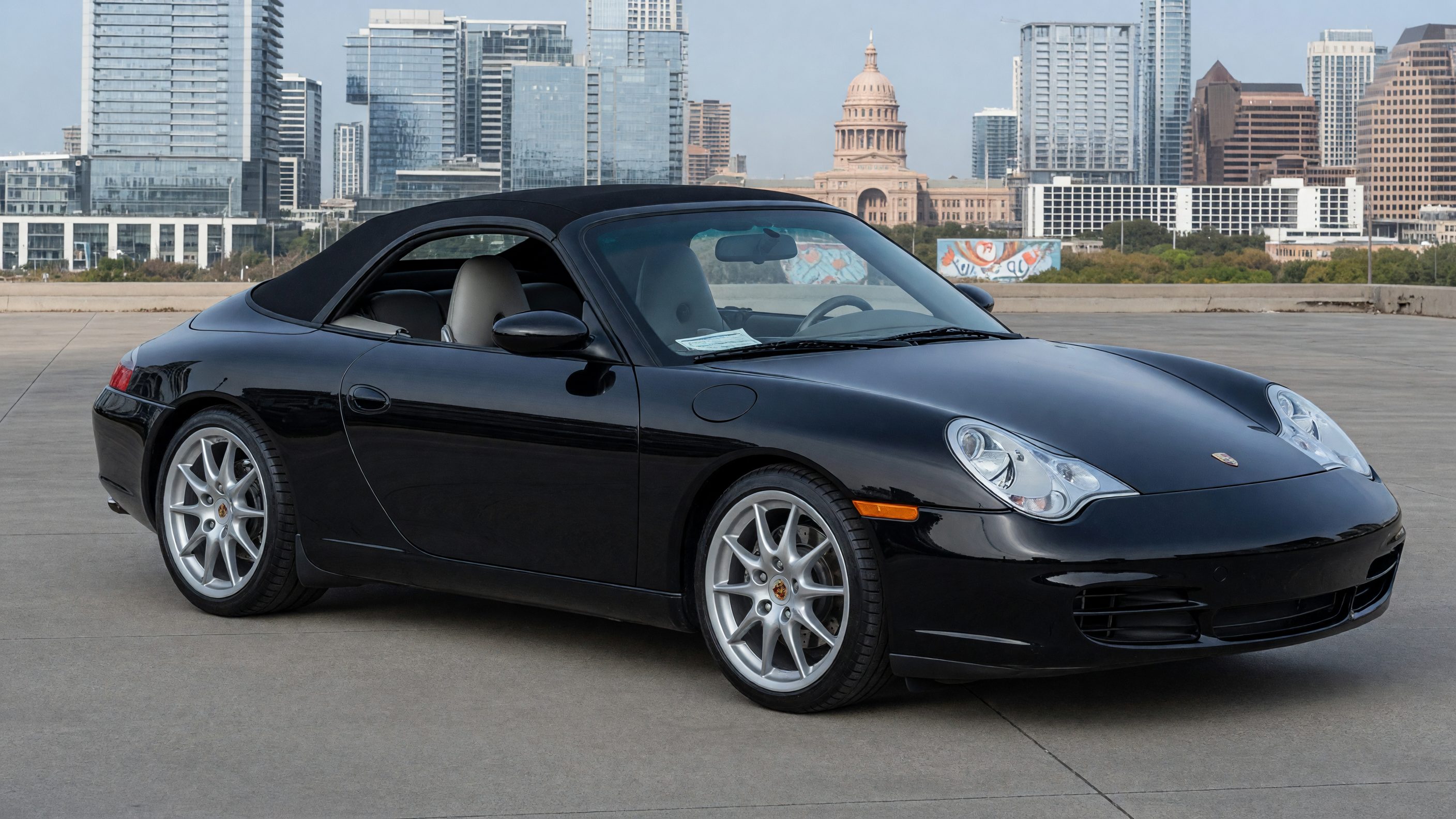
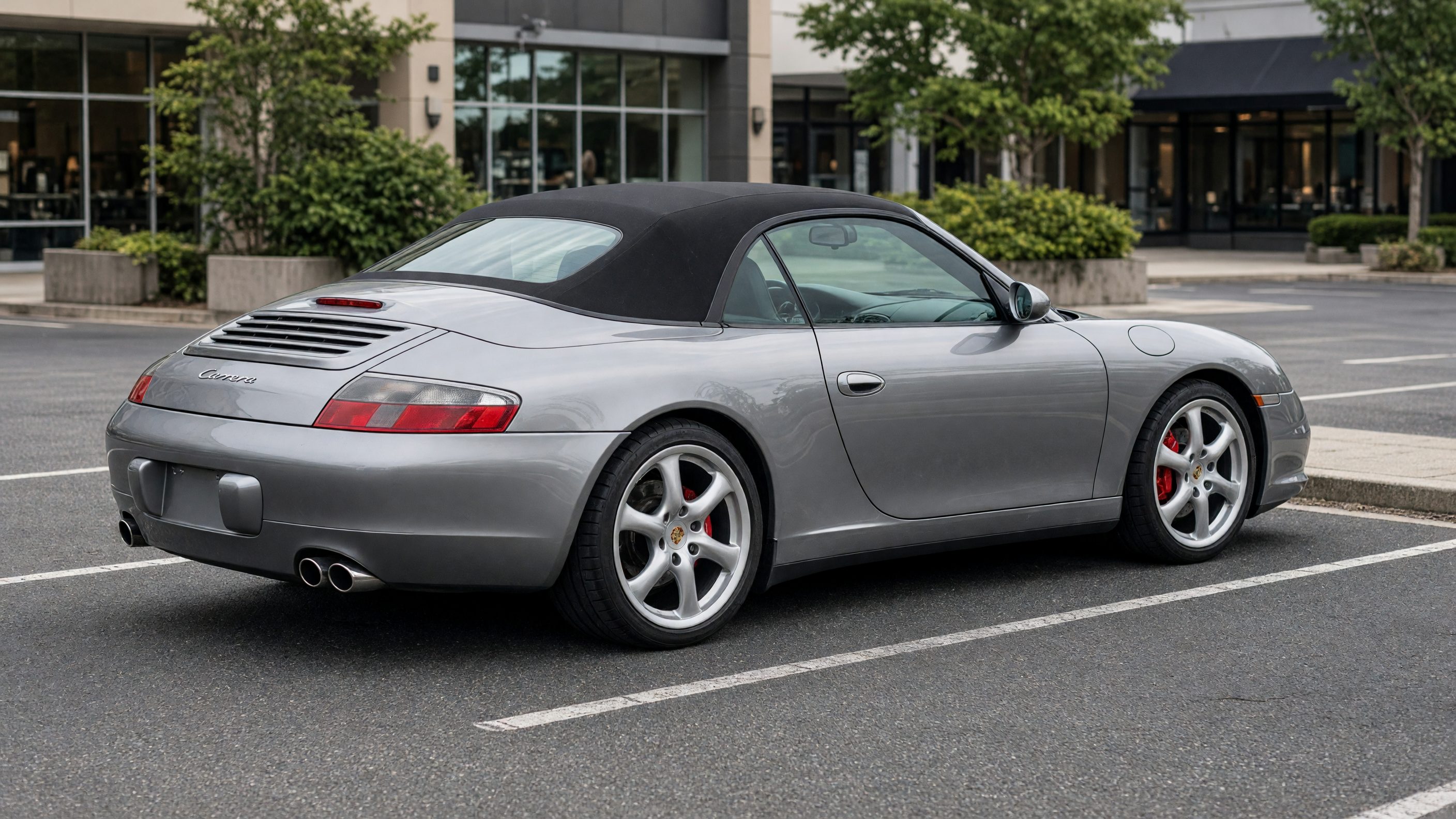
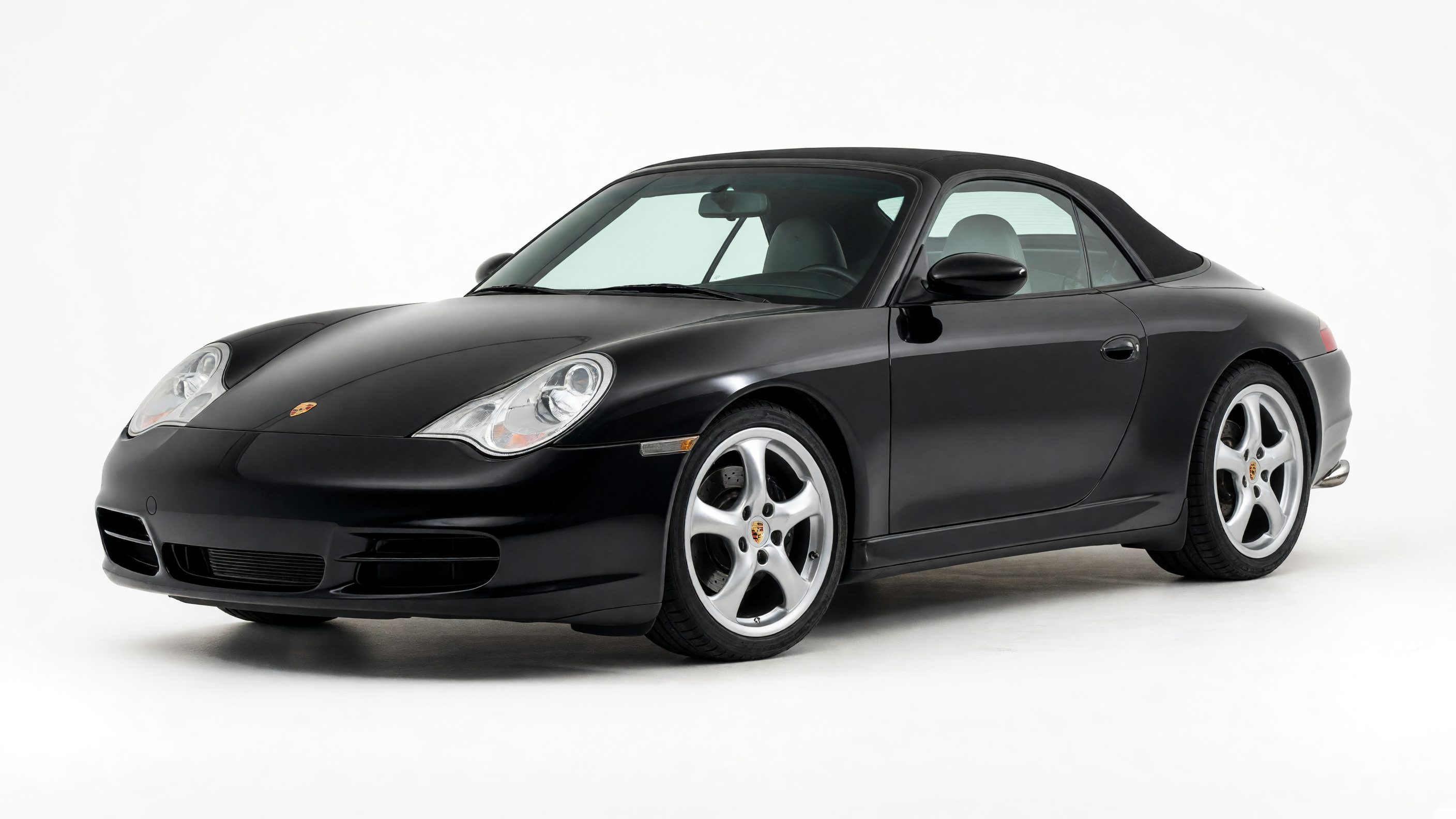
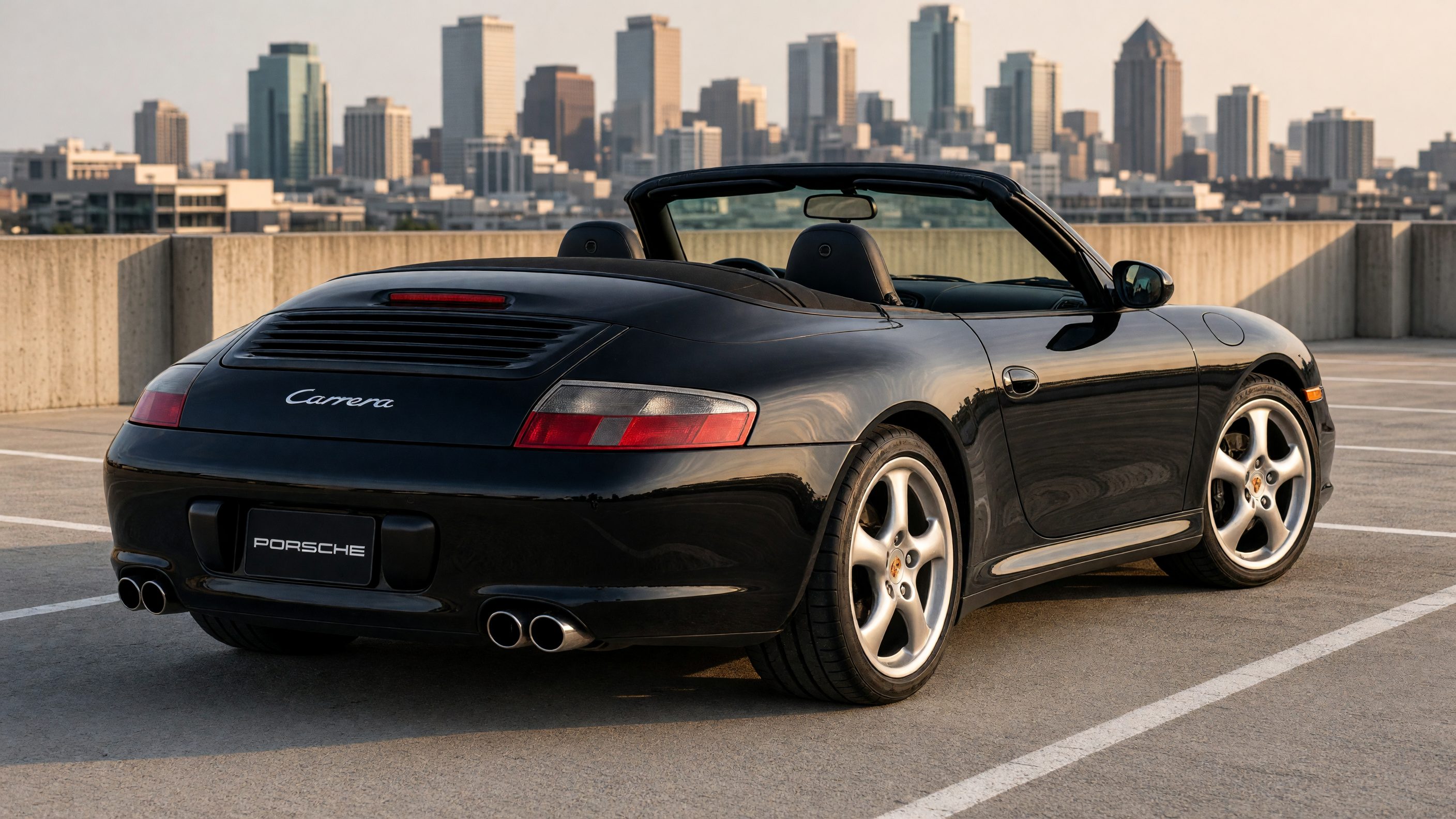
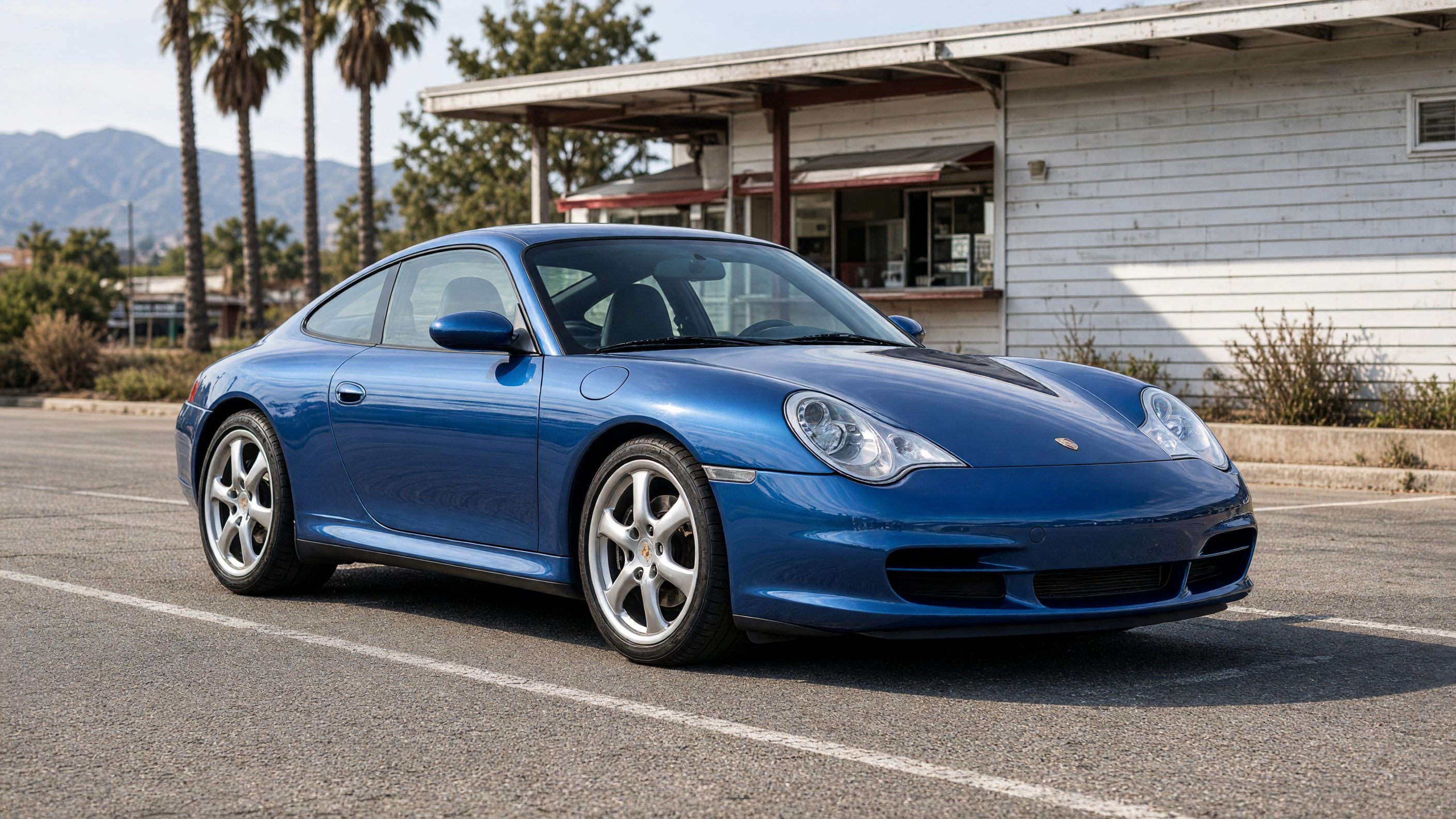
The 2002 Porsche 911 Carrera 4 Cabriolet carries a blue exterior and rides on 17-inch Carrera II aluminum wheels. Its 3.6-liter flat-six engine pairs with a manual transmission and all-wheel drive, and the car shows 50,394 miles.
Power reaches the wheels through a force-sensitive rack-and-pinion steering system and four-wheel disc brakes with cross-drilled rotors and four-piston calipers. The chassis uses MacPherson struts up front and an independent five-link rear suspension, both with stabilizer bars, while the convertible top features automatic latching and a glass rear window.
Inside, leatherette seats with leather inlays include power front buckets, and the cabin is finished with a leather-wrapped three-spoke steering wheel, automatic climate control, and an AM/FM cassette stereo. The car also carries dual front airbags, door-mounted side airbags, and preparations for a child seat.
MechanicalVarioCam Plus variable valve timing system
Double-inertia flywheel
Fully integrated electronic ignition/fuel injection systems
Direct distributorless coil-on-plug ignition
Aerodynamic drag-reducing under-carriage cover
MacPherson strut front suspension w/aluminum suspension components
Independent 5-link rear suspension w/coil springs
Front/rear stabilizer bars
Force-sensitive pwr rack & pinion steering
Pwr 4-wheel disc brakes w/cross drilled rotors
4-piston light alloy brake calipers
Anti-lock braking system (ABS)
16.9 gallon fuel tank
Oval exhaust tailpipes
Full pwr top w/automatic latching/unlatching
Glass rear window for pwr soft top
Hard top w/rear defroster
Speed-dependent extendable rear spoiler
Integrated front fog lights
Rear fog light (left side)
Pwr/heated color-keyed exterior mirrors
Tinted glass w/graduated tint windshield
Windshield wiper system w/heated nozzles
Color-keyed door handles
205/50ZR17 performance SBR front tires
255/40ZR17 performance SBR rear tires
Carrera II design aluminum alloy wheels
17" x 7.0" wheels (front)
17" x 9.0" wheels (rear)
2 + 2 Seating
Leatherette seats w/leather inlays-inc: pwr reclining front bucket seats w/manual height adjustment
Individually folding rear seat backs
Leather-wrapped 3-spoke steering wheel w/telescoping steering column
Instrumentation-inc: analog & digital speedometer, analog tachometer, digital odometer/trip odometer
Pwr windows w/one-touch up/down, anti-jam feature
Integrated central locking/alarm/immobilizer system w/remote entry
Ignition key w/integrated remote control device
Cruise control
Rear window defroster
Automatic climate control w/filtration system
AM/FM stereo cassette player-inc: anti-theft coding, removable control face
Windshield antenna w/signal amplifier
Dual illuminated visor vanity mirrors
Orientation lights-inc: dash/center console, ignition lock, light switch, door handles
Storage compartment behind rear seats
Locking glove box
Inside trunk release handle
Anti-lock braking system (ABS)
Driver & front passenger airbags
Door-mounted side-impact airbags
Preparations for child seat-inc: deactivation of the front passenger airbag w/a Porsche-approved child seat
3-point inertia-reel safety belts w/pre-tensioners & load limiters
Front/rear crumple zones
About the Porsche 911 Carrera 4 996
- Production
- 1997–2004
- Cylinders
- 6
- Powertrain
- Combustion
The Porsche 911 Carrera 4 (996 generation) was produced from 1998 to 2005, marking the first major redesign of the iconic 911 with a water-cooled engine, replacing the air-cooled units of previous models. As part of the 996 lineup, the Carrera 4 variant featured all-wheel drive, distinguishing it from the rear-wheel-drive Carrera. Approximately 175,000 units of the entire 996 generation were produced, with the Carrera 4 making up a smaller, yet significant portion, enhancing its appeal among collectors seeking less common configurations.
Equipped with a 3.4-liter flat-six engine initially, later upgraded to 3.6 liters in 2002, the Carrera 4 delivered between 296 and 315 horsepower, depending on the model year. Performance highlights include a 0-60 mph time of around 5 seconds and a top speed nearing 174 mph. Its all-wheel-drive system offered superior traction, making it a versatile choice for varied driving conditions. For exotic car collectors, the 996 Carrera 4 is gaining attention as values trend upward, particularly for well-maintained, low-mileage examples or special editions like the 40th Anniversary model (2004). Its historical significance lies in being a transitional model in Porsche’s evolution, often debated for its design but respected for engineering advancements.